Thursday, November 24, 2016

Envisioning Donald Trump's Middle East

His vision of isolationist US foreign policy will not solve the problems of the Middle East.


by

Khalil al-Anani is an Associate Professor of Political Science at Doha Institute for Graduate Studies in Qatar.
When I attended President Barack Obama's speech at Cairo University seven years ago, I felt the optimism he brought to the audience with his hopeful and thoughtful words - a feeling many in the Middle East shared as they hoped to put their frustrations during the previous eight years of President George W Bush behind them.
In the aftermath of the recent election which brought Donald Trump to office, feelings of anxiety and stress have resurfaced across the region. Many believe Trump's stunning victory is nothing short of disastrous for the Middle East.
A man who does not know the difference between Sunni and Shia, Kurds and Arabs, or Ennahda and the Islamic State of Iraq and the Levant (ISIL) cannot, and should not, be trusted. Some pundits believe Trump will pay little attention to the region because of its complex and chaotic conflicts. However, these very conflicts may end up dragging his administration into the region, and no one has a clue how it would handle them.
Trump's apparent embrace of isolationism flies in the face of the interconnected state of global and regional affairs. The anachronistic strategy of the 19th century, adopted by President Thomas Jefferson and championed by President James Monroe, is a delusion the US cannot afford.
The scariest aspect of Trump's non-interventionist inclination is that it is not based on rational calculations. Instead, it is a reflection of despair and frustration, driven by what Trump perceives as Obama's failures in the Middle East.
In this sense, the underlying problem is not whether Trump would intervene in the region, but that his intervention would be based on his shallow and dangerous worldview.
Three key issues inform how the Middle East may grow increasingly unstable under Trump's presidency. First and foremost is his understanding, or lack thereof, of regional politics. Trump's view of the Middle East is part and parcel of his wider vision of global politics, which lacks any depth or understanding of how complicated and entangled the world has become.
Trump believes disengagement from the region is the remedy for its problems. Interestingly, he has consistently lambasted President Obama for adopting a similar approach in recent years. Abandoning the region will not resolve its problems and will not make America great again.
In fact, this may have terrible consequences to the region stability including a more powerful and emboldened Iran, an surge in sectarian conflicts, a continued proliferation of radical movements, a collapse of fragile states, and an expansion of Russian influence in the Levant and North Africa.
Second is Trump's vision of Islam, which is ominously hostile and ill-informed. It is frightening that a US president openly loathes an entire faith due to the actions of some individuals. If Trump carries this vision into the White House, it would be catastrophic for both the Middle East and the United States.
On the one hand, this view will facilitate the recruitment efforts of radical groups such as ISIL. On the other, it will increase anti-American sentiment among the ordinary citizens of the Middle East. If Trump's rhetoric is reflected in his policies, we could be on the precipice of a renewed "clash of civilizations", which is exactly what the Obama administration has tried to dispel over eight years.
The third relates to Trump's authoritarian leanings, which empowers repressive regimes in the region at the expense of democracy, human rights and freedom. It is not surprising that Abdel Fattah el-Sisi was among the first Arab leaders to congratulate Trump on his victory.
Likewise, the Assad regime in Syria is likely to seize on Trump's presidency as an opportunity to double down on its positions and continue slaughtering its own people with the support of the Russian President Vladimir Putin, another autocrat that Trump is fond of.
Following this gloomy path, a Trump presidency may serve as the death knell for American ideals such as democracy and human rights, even if these positions were upheld only rhetorically by previous administrations. This would not only increase regional instability, but would more importantly disenchant millions of young Arabs who are fighting for freedom and dignity.
If President Obama failed to address the Middle East's problems with his rational thinking, intellectual background, and political experience, what should we expect from someone like Donald Trump who embodies the polar opposite of all these traits?


هذا الصباح-معهد إدوارد سعيد الوطني للموسيقى

Tuesday, November 22, 2016

روسيا الإمبريالية… قطب الرجعية العالمية

جلبير الأشقر


A GOOD PIECE!

Link

ما هو المشترك بين السياسيين التاليين؟ دونالد ترامب، أول رئيس منتخب ينتمي إلى أقصى اليمين في تاريخ أمريكا المعاصر، وقد فاز بالانتخابات التمهيدية للحزب الجمهوري بعد حملة جعلت رجال الطاقم التقليدي لذلك الحزب، بمن فيهم الرئيس السابق جورج دبليو بوش، يبدون وكأنهم في صف الوسط المعتدل، سيلفيو برلسكوني، رئيس الوزراء الإيطالي السابق، الذي تولّى ذاك المنصب على دفعات بين عامي 1994 و2011 من موقع هو الأقصى يميناً بين جميع رؤساء الوزارات الذين تعاقبوا على سدة الحكم في إيطاليا منذ نهاية الحرب العالمية الثانية، فرانسوا فيون، الرجل الذي يُرجّح فوزه في الانتخابات التمهيدية لليمين الفرنسي بعد فوزه الساحق في دورتها الأولى، وهو يعارض النهج الديغولي ـ الشيراكي الذي يمثّله خصمه ألان جوبيه، وذلك من منطلق «ثاتشري» نسبة إلى مارغريت ثاتشر، رئيسة الوزراء في سنوات 1979ـ1990 التي قادت «ثورة المحافظين» مع الرئيس الأمريكي رونالد ريغان (1981ـ1988)، أي المنعطف النيوليبرالي في الاقتصاد العالمي الذي قام على تفكيك الإصلاحات الاجتماعية التي شهدها هذا الاقتصاد في مرحلة ما بعد الحرب العالمية الثانية، وذلك من أجل إحلال قانون الغاب في العلاقات الاقتصادية والاجتماعية باسم «الحرية»، مارين لوبين، نجمة أقصى اليمين الفرنسي وأبرز وجه في أقصى اليمين الأوروبي برمّته والتي يُرجّح أنها ستصل إلى الدورة الثانية في الانتخابات الرئاسية الفرنسية التي ستجري في العام المقبل. 
القاسم المشترك بين جميع الزعماء السياسيين الغربيين الذين تم ذكرهم هو أنهم يدعون إلى علاقات صداقة مع روسيا بقيادة فلاديمير بوتين. ولا بدّ من أن نضيف إلى ذلك من منظور منطقتنا العربية أن المذكورين يشاطرون الرئيس الروسي الفكرة القائلة إن الاستبداد هو خير نظام حكم للعرب بل للمسلمين أجمعين، بحيث يلتقون مع الزعيم الروسي في تفضيل أمثال الرئيس السوري بشّار الأسد والرئيس المصري عبد الفتّاح السيسي على الديمقراطية التي حلم بها ودعا إليها الملايين أثناء «الربيع العربي».
وإنه لمنعطفٌ تاريخي يجدر التوقّف عنده والتأمل بمغزاه. فطوال القسم الأعظم من القرن العشرين، عندما كانت روسيا تقود الاتحاد السوفياتي «الشيوعي» كان موقف الصداقة إزاءها محكّاً للاعتدال والتقدّمية في السياسة الغربية. وقد تميّز بمثل هذا الموقف على وجه الخصوص كلٌّ من الزعيم الفرنسي شارل ديغول، الذي انفتح على الاتحاد السوفياتي وعارض سياسة أمريكا في مجالات شتى منها حرب فيتنام والنزاع العربي ـ الإسرائيلي، والزعيم الاشتراكي الألماني فيلي برانت الذي اشتهر بسياسة الانفتاح على الكتلة الشرقية التي نادى بها ومارسها خلال سنواته في منصب مستشار ألمانيا.
والحال أن روسيا بين القرن العشرين وقرننا الراهن قد انقلبت من «الشيوعية» إلى نموذج اجتماعي يقف في أقصى اليمين بين الأنظمة القائمة في القارة الأوروبية. وهو نموذجٌ يقوم على تركّز احتكاري فائق في الاقتصاد بعد أن تم نهب القطاع العام من قبل حفنة من الجشعين إثر انهيار الاتحاد السوفياتي، وعلى نظام ضريبي هو الأكثر ظلماً بين كل الأنظمة الضريبية الغربية، ناهيكم برئاسةٍ مدى الحياة قائمة على نفاق التناوب على الرئاسة بين بوتين ومن ينوب عنه وبحكم سلطوي يضطهد معارضيه اضطهاداً بشعاً.

روسيا هذه دولة إمبريالية شرسة، يتزعّمها رجلٌ دشّن تولّيه للحكم بشنّ حرب مدمّرة على الشيشان على طراز إسهامه الحالي في تدمير سوريا، ولا يتردّد في ممارسة الاحتلال والتدخّل العسكري بما يضاهي ما تميّزت به الإمبريالية الأمريكية تاريخياً، بحيث احتلّ القرم وتدخّل في أوكرانيا ويتدخّل في سوريا متعدّياً خلال سنتين سجّل الاتحاد السوفياتي الذي شكّل احتلاله لأفغانستان خروجه الوحيد من منطقة سيطرته المباشرة بعد الحرب العالمية الثانية.

هكذا باتت اليوم الصداقة مع روسيا بوتين محكّ التطرّف اليميني في السياسة الغربية. ومن عجائب الأمور أن ثمة بعض أدعياء اليسار من العرب وغير العرب يعتقدون أن روسيا الحالية تمثّل استمراراً للاتحاد السوفياتي. طبعاً هذا بسيط بالمقارنة مع اعتقاد الأدعياء أنفسهم أن بشّار الأسد، الخاضع للنظام الإيراني ولروسيا بوتين، هو درع العلمانية والتقدّمية والاستقلال في المنطقة العربية.
٭ كاتب وأكاديمي من لبنان

الاتجاه المعاكس-لماذا يراهن بعض السوريين على ترمب؟

DNA - 22/11/2016 حين يُشيد عون بالسعودية

Aleppo siege is 'war of extermination', says injured doctor

Almost 150 civilians killed in past week, says Syrian Observatory for Human Rights, as Assad forces’ bombardment continues

The Guardian
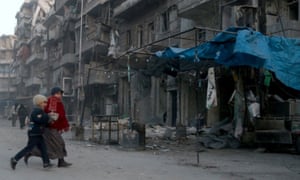
Residents try to escape from airstrikes in Aleppo.

 Residents try to escape from airstrikes in Aleppo. Photograph: Anadolu Agency/Getty Images

Link

Almost 150 civilians have been killed in a week of intense violence in the besieged east of Aleppo, activists said on Tuesday, as violence continued to grip Syria’s former industrial capital.
The latest casualty figures cap two months of unprecedented violence in Syria’s largest city, which has killed more than 800 people since forces loyal to the regime of Bashar al-Assad announced a campaign to crush the opposition in the rebel-held eastern districts.
“This ferocious campaign is a war of extermination,” said a doctor in eastern Aleppo, who was wounded earlier this month in an airstrike. “Everything is a target, whether human or tree or rock. Everything is being exterminated with the collusion of the United Nations. They all see and hear, but they will not answer, and they cannot stop this war machine.”
“We have nobody but God,” he added.
The Syrian Observatory for Human Rights, a UK-based organisation, said on Tuesday 141 civilians, including 18 children, had been killed in the last week of violence.
Moscow intervened last year in the conflict to shore up the Assad regime. Observers had predicted that the renewed assault on the city would begin with the highly publicised arrival a week ago of an aircraft carrier belonging to Russia off the Syrian coast.
Those fears have been realised one week into the vaunted campaign, with relentless aerial bombardment that has reduced to rubble civilian homes and left the rebel-held east without any functioning hospitals for a quarter of a million people, including nearly 100,000 children by UN estimates, who are still living there. The city has been besieged since July.
“I am more or less at my wits’ end,” said Stephen O’Brien, the UN’s top humanitarian official, at a security council briefing on Monday, in a blistering condemnation of the international community’s paralysis. “Shame on us all for not acting to stop the annihilation of eastern Aleppo and its people and much of the rest of Syria too.”
The Observatory said on Tuesday that 834 civilians, including 176 children, had been killed over the past two months, since the Syrian military announced a campaign to retake eastern Aleppo.
Casualty figures over the past three days have been difficult to come by because they are usually tracked by local hospitals, which have been put out of service by bombing.
Aleppo has been divided since 2012, with the west under government control and the eastern districts held by rebels. Its fate has long been seen as a bellweather for the momentum of the Syrian war, and forces loyal to Assad hope to deal a fatal blow to the rebellion by seizing the last major urban stronghold under opposition control.
Loyalist forces include thousands of Iranian-backed militias along with a contingent of Syrian government troops who have so far made limited incursions into the rebel-held east. That battle will likely result in numerous casualties and intense urban combat that would leave the neighbourhoods still standing in ruins.

إيران: أكثر من ألف قتيل في سورية

GOOD! THE MORE THE BETTER!

Link


قال مسؤول إيراني إنّ أكثر من ألف جندي أرسلتهم إيران إلى سورية لدعم الجيش السوري قتلوا.
وتمثل هذه زيادة كبيرة في أعداد القتلى عما أعلن قبل أربعة أشهر حين قالت إيران إنّ 400 من جنودها قتلوا في ساحات القتال في سورية.
ونقلت وكالة "تسنيم" للأنباء عن محمد علي شهيدي محلاتي، رئيس مؤسسة "الشهيد"، التي تقدم دعما ماليا لأقارب من يلقون حتفهم خلال القتال لصالح إيران، قوله إنه "الآن تجاوز عدد شهداء إيران من المدافعين عن المقام الألف".
وتشير إيران لمقاتليها في سورية بتعبير "المدافعين عن المقام" في إشارة إلى مقام السيدة زينب قرب دمشق.

روسيا تفتح أجواء سوريا لطيران إسرائيل

ميدفيدف (يسار) خلال لقاء مع نتنياهو في العاشر من الشهر الجاري (الأوروبية)

Link


قالت الكاتبة الإسرائيلية فيزيت رافينا الكاتبة في موقع "أن آر جي" الإسرائيلي إن العلاقات الروسية الإسرائيلية تطورت في السنوات الأخيرة بشكل كبير، ويعد التنسيق بين البلدين بعد السيطرة الروسية على الأجواء السورية أبرز تجليات ذلك.
وأكد الموقع أنه في ظل التعاون الأمني القائم بينموسكو وتل أبيب، فإن ذلك يوفر حرية عمل لسلاح الجو الإسرائيلي في الأجواء السورية
، مضيفا أنه منذ دخول القوات الروسية سوريا، أصبحت
كل طائرة إسرائيلية تحلق في السماء السورية مسجلة في أجهزة الأمن الروسية، وتحول بياناتها تلقائيا إلى القاعدة العسكرية الروسية في طرطوس.وذكر "أن آر جي" أن إسرائيل تواصل نسج علاقاتها مع روسيا، حيث توجت الزيارة الأخيرة لرئيس الحكومة الروسية ديمتري ميدفيدف إلى تل أبيب بتوقيع عدة اتفاقيات للتعاونالإستراتيجي الثنائي في مجالات الاقتصاد والمياه.
وتقدر وزارة الزراعة الإسرائيلية حجم المكاسب المالية التي ستعود على إسرائيل من اتفاقياتها مع روسيا بنحو 11 مليار دولار.
ولفت الموقع للتدليل على قوة العلاقة بين البلدين بأنه تم خلال عام واحد عقد أربعة لقاءات بين الرئيس الروسي فلاديمير بوتين ورئيس الحكومة الإسرائيلية بنيامين نتنياهو.
وذكر أن وزير الزراعة الإسرائيلي أوري أريئيل قام بإهداء ميدفيدف خلال زيارته الأخيرة طائرة مسيرة بقيمة 167 ألف دولار، مما كاد أن يؤدي إلى أزمة دبلوماسية بين إسرائيل والولايات المتحدة.
ورغم هذه العلاقات الوطيدة بين تل أبيب وموسكو، فإن هناك سببا للقلق الإسرائيلي يتمثل في استمرار روسيا في بيع السلاح لإيران، وآخرها صفقة عسكرية هي الأكبر بقيمة عشرة مليارات دولار.
وأضاف الموقع أن تقدم العلاقات الإسرائيلية الروسية يتزامن مع وجود تحالف بين موسكو وطهران، لا سيما التعاون في سوريا لصالح نظام بشار الأسد.
كما أن روسيا تقوم بتسليح حزب الله، وهو الشريك في الهيئة الأمنية التي أقامتها روسيا فيالعراق قبل عام، وتوفر لها معدات عسكرية مباشرة، مع العلم أن التواجد العسكري لحزب الله وإيران على حدود إسرائيل في هضبة الجولان أمر غير قابل للتحمل.

Emad Hajjaj;s Cartoon: تهويد اسماء الشوارع في القدس

تهويد اسماء الشوارع في القدس

Sunday, November 20, 2016

Monkey incident sparks clashes in southern Libyan city of Sabha, 16 dead

Violence erupted between two tribes after a monkey belonging to the Gaddadfa attacked a group of schoolgirls from another tribe

Link

SEND JOHN KERRY NOW TO TRY A TRUCE!

At least 16 people died and 50 were wounded in Libya in four days of clashes between rival factions in the southern city of Sabha, a health official said on Sunday.
According to residents and local reports, the latest bout of violence erupted between two tribes after an incident in which a monkey that belonged to a shopkeeper from the Gaddadfa tribe attacked a group of schoolgirls who were passing by.
The monkey pulled off one of the girls' head scarf, leading men from the Awlad Suleiman tribe to retaliate by killing three people from the Gaddadfa tribe as well as the monkey, according to a resident who spoke to Reuters.
City officials could not be reached to confirm the accounts.
"There was an escalation on the second and third days, with the use of tanks, mortars and other heavy weapons," the resident told Reuters by telephone, speaking on condition of anonymity because of the deteriorating security situation.
"There are still sporadic clashes, and life is completely shut down in the areas where there has been fighting."
Like other parts of Libya, Sabha has been periodically plagued by conflict since the uprising that toppled Muammar Gaddafi five years ago splintered the country into warring factions.
In the Sabha region, a hub for migrant and arms smuggling in Libya's often neglected south, militia abuses and the deterioration of living conditions have been especially acute.
The Gaddadfa and the Awlad Suleiman represent the most powerful armed factions in the region.
During the latest clashes, which took place in the city centre, initial attempts by tribal leaders to calm the fighting and arrange a ceasefire so that bodies could be recovered had failed, residents said.
By Sunday, Sabha Medical Centre had received the bodies of 16 people killed in the clashes and some 50 wounded, said a spokesman for the centre.
"There are women and children among the wounded and some foreigners from sub-Saharan African countries among those killed due to indiscriminate shelling," he said.
The city lies about 660km south of Tripoli.

ما وراء الخبر- فرص صمود الهدنة في اليمن

قرد يفجر معركة مسلحة بين قبيلتين في جنوب ليبيا تودي بحياة 16 شخصا

33ipj

Link

عرب جرب
MUST HAVE BEEN A MOSSAD MONKEY!
Image result for mossad monkey

طرابلس- رويترز- قال مسؤول طبي ليبي إن 16 شخصا على الأقل قتلوا وأصيب 50 آخرون في اشتباكات بين فصائل متنافسة دامت أربعة أيام في مدينة سبها الجنوبية.
وقال سكان وتقارير محلية إن الاشتباكات نشبت بين قبيلتين بعد حادث هاجم فيه قرد يخص صاحب متجر من قبيلة القذاذفة مجموعة من فتيات المدارس خلال مرورهن بجوار المتجر.
وقال ساكن لرويترز إن القرد نزع أغطية الرأس من فوق رؤوس الفتيات مما دفع رجال من قبيلة أولاد سليمان إلى قتل ثلاثة من القذاذفة والقرد.
ولم يتسن الوصول إلى مسؤولين في المدينة لتأكيد الرواية.
وقال الساكن لرويترز عبر الهاتف طالبا عدم نشر اسمه بسبب تدهور الوضع الأمني “حدث تصعيد في اليومين الثاني والثالث مع استخدام الدبابات وقذائف المورتر والأسلحة الثقيلة”.
وقال “لا تزال بعض الاشتباكات المتفرقة جارية والحياة معطلة تماما في المناطق التي شهدت القتال”.
وشأنها شأن مناطق أخرى عديدة في ليبيا تشهد سبها أعمال عنف بين الحين والآخر منذ الانتفاضة التي أطاحت بمعمر القذافي قبل خمسة أعوام وقسمت البلاد إلى فصائل متناحرة.
وفي سبها التي تعد مركزا لتهريب المهاجرين والأسلحة في جنوب ليبيا المهمل تشتد انتهاكات الفصائل المسلحة مع تدهور الظروف المعيشية.
والقذاذفة وأولاد سليمان من أقوى الفصائل المسلحة في المنطقة.
وقال سكان إنه خلال الموجة الأخيرة من العنف الذي وقع بوسط المدينة فشلت جهود شيوخ القبائل في بادئ الأمر لتهدئة القتال والترتيب لهدنة لانتشال الجثث.
وقال المتحدث باسم مركز سبها الطبي إن المركز استقبل بحلول اليوم الأحد 16 جثة ونحو 50 جريحا.
وأضاف قائلا “يوجد بين الجرحى نساء وأطفال وبعض الأجانب من دول أفريقيا جنوب الصحراء بين القتلى بسبب القصف العشوائي”.
وتقع المدينة على مسافة نحو 660 كيلومترا جنوبي طرابلس.

Guardian Video: Moment of impact: children's hospital bombed in east Aleppo

Video shows the moment a paediatric hospital in eastern Aleppo was struck in an airstrike on Friday. Doctors and nurses at the children’s hospital scrambled to evacuate babies to safety after the facility was bombed for the second time this week. The Syrian opposition’s Aleppo Health Directorate has said that all hospitals in eastern Aleppo are now out of service.

Who made the Arab Spring into an Arab crisis?

The violence sweeping across the Arab world isn't a consequence of the Arab Spring, but of decades of dictatorship.


by

Yezid Sayigh is senior associate at the Carnegie Middle East Center in Beirut.
A recent news item on the BBC's English website neatly captured the sharp contrast in how, five years later, various Arab rulers, citizens and non-Arab observers view the popular uprisings that swept leaders from power in several Arab states and challenged others. The headline read "Arab Spring 'cost region $600bn' in lost growth, UN says",but what the latter actually said differed substantially.
In its Survey of Economic and Social Developments in the Arab Region 2015-2016 (PDF), the United Nation's Economic and Social Commission for Western Asia (ESCWA), which covers 18 Arab countries, attributed a net loss of $613.8bn in economic activity and an aggregate fiscal deficit of $243.1bn not to the attempt to bring about democratic political transition, but to the armed conflicts now involving nearly a dozen Arab states.
Whether intentionally or not, the BBC's headline echoes those who portray the chaos and bloodshed suffered by several Arab states since 2011 as the direct result - indeed the essence - of the Arab Spring. But, there was nothing inevitable about this.
Rather, the current reality, or potential threat of state failure and civil war in Arab states, is the outcome of their problematic past trajectories prior to 2011 and of the choices made by those in power on how to respond to evolving political, socioeconomic and institutional challenges since then.

Authoritarian byproducts

Crucially, decades of authoritarian rule in the Arab states now in crisis or breakdown have eroded their social contracts and constitutional frameworks.
As the ESCWA report rightly noted, ruling regimes invested heavily in repressive, bloated security sectors in order to maintain power while budgeting less for social protection, infrastructure and other priorities.
Significant material rewards were provided, as even authoritarian regimes generally find it cheaper to co-opt society rather than to rely wholly on coercion, but these shrank as economic cronyism deepened and productivity and investment in all sectors of the economy - other than oil and real estate - declined from the 1990s onwards.
Violence has become a primary mode for the conduct of politics, replacing co-optation as the preferred means of control, but at far higher cost, both financially and socially.

The reallocation of state resources and economic opportunities towards privileged elites and social sectors in an era of prolonged financial contraction further "hollowed out" state institutions.
In short, Arab states had left themselves with few reserves - political, economic, social, or institutional - to cope with the impacts of wider events affecting their finances and economies in the decade leading up to 2011, even when macro-level indicators, such as gross domestic product and foreign investment, appeared positive.

Violence was not inevitable

This bleak legacy did not wholly preclude more effective responses, whether before the Arab Spring or after. So, why have Arab states in transition fared so poorly?
A significant part of the answer lies in how incumbent regimes chose to respond to popular uprisings and the democratic challenge they posed. Contrary to those who claimed there was "no other choice", the resort to force was neither necessary nor unavoidable.
The Tunisian army's insistence that civilians design and manage their country's entire transitional process, from start to finish, is proof positive of this. So was the "soft security" approach adopted by the Jordanian authorities in response to their own protest movement in 2010 and 2011-2012.
The deployment of massive coercive power in every other instance has led either to open armed conflict and state breakdown or to the corrosion of basic freedoms and social peace and to an endemic crisis of political legitimacy.
But it is the elimination of safeguarded arenas for the conduct of legal - that is, peaceful -political contestation and social negotiation that poses the biggest threat.
Violence has become a primary mode for the conduct of politics, replacing co-optation as the preferred means of control, but at far higher cost, both financially and socially.
This explains why Arab states have failed to follow the precedent of states transitioning from conflict in other regions of the world, which, as the ESCWA report notes, have often experienced a growth rebound to pre-crisis economic levels or better.
Regimes that have insisted on returning to political and economic "business as usual" have prevented the kind of reforms that might resolve the problems that led their countries into social upheaval and systemic crisis in the first place.
At the same time, negative balances of trade and payments, reduced ability to generate foreign currency reserves or attract investment, and declining income from oil-funded remittances and transit trade all mean they cannot restore the old social contracts on which political power and legitimacy partly rested.
Their resistance to change and negotiation of new state-society relations is exhausting the political, institutional and social resilience needed to weather these wider trends.
The absence, since 2011, of meaningful adaptations to domestic and external challenges, let alone genuine and far-reaching reforms in order to anticipate and turn them to advantage, suggests that at least some Arab states in transition are not yet past the worstThe bloody outcome of the Arab Spring was not inevitable, but the systemic crisis that looms for some may be.
Yezid Sayigh is a senior associate at the Carnegie Middle East Centre in Beirut.


Current Al-Jazeera (Arabic) Online Poll


Do you see that the silence of the Arab League and its inability to rescue civilians in the areas of Arab conflict justifies ending its role?

So far 93% have voted yes.

I SAY, FLUSH IT DOWN NOW!

Emad Hajjaj's Cartoon: نتنياهو ومنع الاذان في القدس

نتنياهو ومنع الاذان في القدس