"DUBAI: Corruption has worsened in most Arab countries since their 2011 revolutions, even though anger with corrupt officials was a major reason for the uprisings, according to a public opinion poll released on Tuesday.
The survey by Transparency International, a global non-governmental body which studies bribery around the world, appears to dash hopes that the Arab Spring would produce cleaner government and business in the region.
The Arab public's continued frustration with corruption may undermine governments' efforts to restore political stability, while hindering economic growth and foreign investment.
Of four countries which experienced changes of government during the Arab Spring, a majority of respondents in three -Egypt, Tunisia and Yemen - feel the level of corruption has risen in the past two years, the survey showed.
In Egypt, 64 percent said corruption had worsened; in Tunisia, the proportion was 80 percent. The exception was Libya, where only 46 percent said the country had become more corrupt.
Within Egypt, 78 percent of respondents said the police were corrupt or extremely corrupt. The proportion was 65 percent for the judiciary and 45 percent for the military, one of the country's most respected institutions which ousted Islamist President Mohamed Mursi last week sparking a wave of protests......"

Tuesday, July 9, 2013


Guardian Video: Morsi supporters shot at in Cairo
"Unverified footage obtained from social media shows supporters of the ousted Egyptian president Mohamed Morsi being attacked by a gunman from a rooftop in Cairo. A man wearing a military helmet takes aim and firing from the roof into a crowd of pro-Morsi supporters. Another man appears to be filming. Victims of the shootings, covered in blood, are then rushed through the crowds and put onto vehicles. At least 50 people were killed and over 400 injured in clashes on Monday."
Syria: A Revolution Denied
By Maysaloon
".....That Morsi or even ten more presidents after him would be toppled is hardly surprising after a period of revolution. There are going to be many more administrations that come and go in this way before the country settles into some form of normalcy, but this should not be taken as a bad thing. In fact it holds excellent lessons for Syrians who are working hard to topple Assad. The removal of a decades long regime is not alone the goal of the Arab spring, but the beginning of opportunity. To put it simply the removal of tyrants will not give people the jackpot but rather it will give them the opportunity to buy the lottery ticket - something they have long been denied.
There are plenty of Assad supporters, the same ones who cheered the protests in Turkey for all the wrong reasons, who think that this vindicates Assad and condemns the revolution in Syria. They are wrong. The Muslim Brotherhood and other Islamist groups enjoy far less support in Syria than they do in Egypt, and if anything the toppling of Mursi shows us that when Assad goes then nobody will have the monopoly on rule anymore. When nobody has absolute power then compromises are necessary, and with Assad no longer able to bomb the country we will see Syrians returning from refugee camps, and civil society and coordination committees operating and communicating freely again. We will also see the kinds of protest scenes that Syrians have long looked to their Egyptian cousins at with envy.
Going back to Egypt, the Egyptian military is ruthless and not to be trusted. It is simply playing a game of swapping heads around to find one that is more acceptable for the masses. But it is no contradiction to support the toppling of Morsi whilst also condemning the military coup that removed him. The battle in Egypt is one for the state, whilst in Syria we do not have a state. As such, the Egyptian army must maintain some form of adherence to the Egyptian rule of law that everybody is trying to dominate. They must pander to the crowds who have gone to the streets and satisfy their demands somewhat, or appear to be doing something about this. By contrast, we Syrians have neither a state nor a military institution but rather a private army and a regime to face. As such the unprecedented brutality and national trauma that we're going through as we fight to remove our own dictator is far worse than anything the Egyptians have gone through. Soldiers meddling in politics can never be a good thing and Egypt's protestors should beware of this intervention. It doesn't mean their fight is any easier, but it does mean that the forces they are fighting to wrest power from do have a grudging respect for the rule of law. This is probably the only thing stopping the Egyptian military from bombing parts of Cairo and imposing martial law.
This is explained partly because Egypt is an old state, something that Egyptians have Muhammad Ali to thank for. Syria, on the other hand, remained under the Ottoman yoke for far longer and so we just didn't get the experience of state building that the children of the Nile did. Ironically for us the period of the French mandate did lay the groundwork for some form of a Syrian state, and it was Syrian nationalists who chafed against rule from Paris who laid the groundwork for the country's independence and statehood through their struggle. The Syrian "Independence" flag of green white and black is today the symbol of that almost forgotten Syrian state and the struggle of our forefathers.
The start of the revolution against Assad might have been an attempt at regaining that national spirit, but this has now been sabotaged by Assad's overwhelming brutalization of Syrians, causing some deep sectarian rifts to re-emerge. This regime survives by creating crises and then solving them. Denying it the ability to sustain the crisis it has created in Syria will again allow some type of Syrian state to emerge. To do this then his power must be destroyed. Alternatively Assad and his allies must be taught that any transgressions will have painful repercussions directly to him, his regime, and his inner circle unless he agrees to negotiate and abide by the rule of law.
That might all be idealistic to hope for but it is realistic to demand. Until that happens Syrians will continue to look on in envy at the incredible scenes of public protest in Egypt, scenes that they were just starting to get used to before their revolution was denied them...."
Monday, July 8, 2013
Sexual violence in Egypt: 'The target is a woman'
Political turmoil in Cairo has given rise to 'an epidemic of sexual violence' – over 100 women have been attacked this month
Nabila Ramdani
The Guardian,

".....The reality is that many Egyptian men blame women for bringing attacks upon themselves with their conduct in public. Ahmad Mahmoud Abdullah, a radical Islamic preacher, suggested women protesting in Tahrir Square "have no shame and want to be raped". In February 2012, members of the Shura Council, Egypt's upper house of parliament, also blamed women for the assaults being carried out on them in Tahrir Square. One member, Adel Afifi, said: "Women contribute 100% to their rape because they put themselves in that position [to be raped]."
Such comments reflect an arch-conservative belief that women should stay at home with their families rather than engage in the political process – a view that was given official sanction following the election of Morsi, the Muslim Brotherhood candidate, as head of state.
Some have tried to legitimise male "guardianship" by equating gender equality with anti-religious liberalism. Mubarak was a friend to the imperialist US and it was Suzanne Mubarak, the detested and now deposed first lady, who pushed for pro-women legislation, including a wife's right to sue for divorce and a quota system favouring female election candidates. As the Muslim Brotherhood moved to reverse such measures, these policies became firmly associated with the rejected dictatorship........"
Nabila Ramdani
The Guardian,
".....The reality is that many Egyptian men blame women for bringing attacks upon themselves with their conduct in public. Ahmad Mahmoud Abdullah, a radical Islamic preacher, suggested women protesting in Tahrir Square "have no shame and want to be raped". In February 2012, members of the Shura Council, Egypt's upper house of parliament, also blamed women for the assaults being carried out on them in Tahrir Square. One member, Adel Afifi, said: "Women contribute 100% to their rape because they put themselves in that position [to be raped]."
Such comments reflect an arch-conservative belief that women should stay at home with their families rather than engage in the political process – a view that was given official sanction following the election of Morsi, the Muslim Brotherhood candidate, as head of state.
Some have tried to legitimise male "guardianship" by equating gender equality with anti-religious liberalism. Mubarak was a friend to the imperialist US and it was Suzanne Mubarak, the detested and now deposed first lady, who pushed for pro-women legislation, including a wife's right to sue for divorce and a quota system favouring female election candidates. As the Muslim Brotherhood moved to reverse such measures, these policies became firmly associated with the rejected dictatorship........"
قالوا انه ‘حتى الرسائل النصية يتم اختيارها بعناية’.. والصحافيون طردوا مندوبها من مؤتمر الجيش
استقالة مذيعين ومراسلين من قناة 'الجزيرة ـ مصر' احتجاجا على انحيازها للإخوان

القاهرة ـ ‘القدس العربي’: اعلن عدد من مذيعي ومراسلي قناة الجزيرة مباشر مصر استقالتهم احتجاجا على ما وصفوه بعدم موضوعيتها في تغطية الاحداث في مصر.وبين المستقيلين المذيعة فاطمة نبيل والمذيع كارم محمود والمراسلون حجاج سلامة وحسن عبد الغفار، ووسام فاضل.
وقالت الإعلامية فاطمة نبيل تعقيباً على استقالتها التي تقدمت بها امس لقناة الجزيرة مباشر مصر”أنا جيشي خط أحمر مسمحش بالغلط فيه.. واستقلت من الجزيرة وأنا لا أعلم هل يمكن عودتي للتليفزيون مرة أخرى أم لا لأن البعض سيحسبني على النظام الإخواني’
كانت فاطمة قد انتقلت للعمل بها منذ شباط/ فبراير الماضي، مشيرة إلى أنها اتخذت الخطوة دون التفكير في ما إذا كان من الممكن عودتها للتليفزيون المصري الذي كانت تعمل به من قبل أم لا، حيث ان تعيينها وظهورها فيه بالحجاب كان في عهد وزير الإعلام الإخواني صلاح عبد المقصود، مما سيجعل البعض يفهم أنها محسوبة على النظام الإخواني.’
وأوضحت نبيل في تصريحات أنها لم تكن راضية عن تغطية القناة منذ أحداث 30 يونيو، وأنه كان هناك قصد متعمد لقسم الشاشة في بعض الأحيان إلى نصفين على أن تكون صورة معتصمي رابعة العدوية ناحية اليمين في اظهار لتضخيم أعدادهم وتأييدهم للشرعية.’
وأضافت فاطمة نبيل: ‘تغور فلوس الدنيا كلها لكن حد يطلع يخوِّن في جيشي فهذا أمر غير مقبول، فلا أتخيل بشاعة المشهد الذى صوروه على أننا في سورية، وأن الجيش يقوم بعمل مجازر ويقتل الأطفال فهذه مؤامرة حقيقية’.
وأشارت نبيل إلى أنها خلال فترة عملها بالقناة على مدار 6 شهور، لاحظت أن القناة كانت تتحيز لصف الإسلام السياسي، حتى الرسائل النصية أعتقدت أنها كانت منتقاة في أغلب الأحيان، بالإضافة إلى الضيوف المختارين بعينهم في تجاهل تام لباقي أطراف المعارضة هذا فضلاً عن التوجيهات التي كانت تصدر لزملائها بعدم الحديث أو إلقاء كلام بعينه على الهواء مباشرة.’ وأكدت فاطمة أنها عندما اختارت الانتقال لقناة الجزيرة، كان بهدف أنها قناة الثورة التي كانت تنقل الأحداث في الوقت الذي كنا نعاني فيه من اعلام الفلول إلا أنها لم تكن تعلم أنها ستأتي يوما وتقوم بعمل مؤامرة على الجيش المصري الذي يمثل رمانة الميزان في الوطن العربي.
وكان الصحافيون الحاضرون للمؤتمر الصحافي للمتحدثين باسم الجيش ووزارة الداخلية قاموا بطرد ممثل الجزيرة من القاعة، واتهموا القناة بانها تعمل على احراق مصر، وهتفوا ‘برة برة’.
وتزايدت المطالبة بين الاعلاميين المصريين امس على الفيس بوك، واعتبر بعضهم ان اي مصري يستمر في القناة في هذه الظروف يكون خائنا لبلده
Sharif Abdel Kouddous: Egypt Descends Into "Spiral of Violence and Retribution" After Morsi’s Ouster
Democracy Now!
"Deadly violence is continuing in Egypt days after the military ouster of President Mohamed Morsi. Earlier today at least 42 people were reportedly killed at the military site where Morsi is being detained. The Muslim Brotherhood says the victims were holding a peaceful sit-in when gunmen opened fire, wounding more than 500 people. The victims included women and children. The Egyptian military says it returned fire after being attacked by armed assailants. The Brotherhood has denounced the shooting as a "massacre" and is calling for an uprising against the military. Today’s shooting was the deadliest in a wave of violence that’s left dozens killed and more than 1,000 injured since Morsi was forced out of office last week. We go to Cairo to speak with Democracy Now! correspondent Sharif Abdel Kouddous, who has just returned from what he calls the "bloodbath" scene of the pro-Morsi rally....."
"Deadly violence is continuing in Egypt days after the military ouster of President Mohamed Morsi. Earlier today at least 42 people were reportedly killed at the military site where Morsi is being detained. The Muslim Brotherhood says the victims were holding a peaceful sit-in when gunmen opened fire, wounding more than 500 people. The victims included women and children. The Egyptian military says it returned fire after being attacked by armed assailants. The Brotherhood has denounced the shooting as a "massacre" and is calling for an uprising against the military. Today’s shooting was the deadliest in a wave of violence that’s left dozens killed and more than 1,000 injured since Morsi was forced out of office last week. We go to Cairo to speak with Democracy Now! correspondent Sharif Abdel Kouddous, who has just returned from what he calls the "bloodbath" scene of the pro-Morsi rally....."
After Morsi’s Ouster, Egypt’s Path to National Unity Threatened by Worsening Violence, Divisions
Democracy Now!
"With the killings of at least 42 Muslim Brotherhood protesters today in Cairo, Egypt’s reconciliation effort following last week’s ouster of President Mohamed Morsi remains fraught with violence. We host a discussion on what caused Morsi’s overthrow and what comes next for Egypt with three guests: Michael Wahid Hanna, a senior fellow at The Century Foundation; Shadi Hamid, director of research for the Brookings Doha Center and a fellow at the Saban Center for Middle East Policy at Brookings; and Democracy Now! correspondent Sharif Abdel Kouddous based in Cairo......"
"With the killings of at least 42 Muslim Brotherhood protesters today in Cairo, Egypt’s reconciliation effort following last week’s ouster of President Mohamed Morsi remains fraught with violence. We host a discussion on what caused Morsi’s overthrow and what comes next for Egypt with three guests: Michael Wahid Hanna, a senior fellow at The Century Foundation; Shadi Hamid, director of research for the Brookings Doha Center and a fellow at the Saban Center for Middle East Policy at Brookings; and Democracy Now! correspondent Sharif Abdel Kouddous based in Cairo......"
اعتقال أحد المتهمين برمي فتية من سطح مبنى بالاسكندرية خلال التظاهرات

القاهرة- (ا ف ب): أعلنت وزارة الداخلية المصرية تحديد هويات الرجال الذين ظهروا في شريط فيديو التقط خلال الاشتباكات التي دارت بين انصار الرئيس المخلوع محمد مرسي ومعارضيه في الاسكندرية وهم يطاردون فتية على سطح احد مباني الاسكندرية ثم يقومون برمي اثنين منهم من أعلى المبنى مما اسفر عن مقتل احدهما، مؤكدة انها اعتقلت احد هؤلاء المتهمين وهو “من العناصر الجهادية المتشددة”.

وقالت الوزارة في بيان نشرته على صفحتها على موقع فيسبوك للتواصل الاجتماعي انه “في اطار المتابعات الأمنية لضبط مرتكبي واقعة التعدي على مجموعة من الفتية ودفعهم من أعلى سطح أحد العقارات بالإسكندرية مما أدى لوفاة أحدهم، فقد تمكنت الأجهزة الأمنية من تحديد هوية مرتكبي الواقعة ونجحت في ضبط أحد مرتكبيها”.
واضافت ان الموقوف “يدعى محمود حسن رمضان وهو من العناصر الجهادية المتشددة” وكان مختبئا في بلدة بلطيم شرق الاسكندرية، مؤكدة ان “الأجهزة الأمنية تكثف جهودها لضبط باقي مرتكبي الواقعة”.
وارفقت الوزارة بيانها بصورتين للموقوف، الاولى تظهره مقيد اليدين وحليق الذقن، والثانية ملتقطة من الفيديو ويظهر فيها ملتحيا وحاملا بيده الراية الاسلامية السوداء.
وهذا الفيديو الذي بث على الانترنت وتناقلته وسائل الاعلام المحلية واثار استنكارا واسعا التقطه هاو كان في بناء يطل على سطح المبنى الذي شهد الجريمة في حي سيدي جابر بالاسكندرية خلال الاشتباكات التي دارت مساء الجمعة بين متظاهرين من انصار الرئيس المخلوع محمد مرسي وآخرين من انصار التيارات الاسلامية وعلى رأسها جماعة الاخوان المسلمين التي ينتمي اليها الرئيس المخلوع.
وفي هذا الفيديو تظهر مجموعة من الرجال، بعضهم ملتح ويحمل الراية الاسلامية، وهم يطاردون اربعة فتية لجأوا الى اعلى خزان فوق سطح احد المباني السكنية. وبعدما قام الرجال برشق الفتية المحاصرين في الاعلى بالحجارة، عمد بعضهم الى تسلق الخزان حيث رموا احد الفتية من اعلاه ليسقط امام بقية الرجال الذين انهالوا عليه بالضرب، في حين كان فتى آخر يلقى مصير الرمي نفسه.
وبحسب وكالة انباء الشرق الاوسط الرسمية سقط في المواجهات التي جرت في الاسكندرية الجمعة بين انصار مرسي ومعارضيه 12 قتيلا وحوالى 200 جريح.
UPDATE 2: 42 die in clashes between Egypt army and pro-Morsi protesters
Brotherhood claims army opened fire on peaceful protesters, army says 'armed terrorist group' tried to storm Republican Guard HQ; health ministry confirms 42 dead; one officer dead; Islamist leaders condemn killings
Ahram Online

"The health ministry said clashes on Monday morning between the Egyptian army and pro-Morsi protesters at the Republican Guard headquarters in Cairo have left at least 42 dead and 322 injured
The Egyptian army said one officer died and 40 soldiers were injured, including seven in critical condition.
Conflicting reports have emerged on how the clashes started on the 5th day of a Muslim Brotherhood spearheaded sit-in at the army facility to demand the return of deposed President Mohamed Morsi.
In an official statement published by Al-Ahram Arabic news website, the army said an "armed terrorist group" attempted to break into the Republican Guard headquarters in the early hours of Monday and "attacked security forces."
President Morsi was deposed by Egypt's Armed Forces on Wednesday following nationwide protests calling for his ouster. Judge Adly Mansour, the head of the High Constitutional Court, was sworn in as the country's interim president on Thursday.
Morsi's removal sparked anger among his supporters, mainly Islamists, spearheaded by the Muslim Brotherhood.
The National Alliance for Supporting Legitimacy, a pro-Morsi group formed to back his right to complete his term of office, continues its sit-in at Rabaa Al-Adawiya Mosque in Cairo’s Nasr City district.
Other pro-Morsi groups have been protesting elsewhere, most notable at Nahdet Misr Square in Giza.
Political reactions and fallout
Shortly after the deadly clashes, Strong Egypt Party leader Abdel-Moneim Abul-Fotouh, a critic of former President Morsi, called on interim president Adly Mansour to step down after 42 people were killed in clashes between the army and pro-Morsi protesters at the Republican Guard headquarters on Monday.
Abul-Fotouh, who resigned from the Muslim Brotherhood shortly after the 2011 uprising, told Al Jazeera that the incident was "a horrible crime against humanity and all Egyptians."
Also on Monday, the Salafist Nour Party, which had initially agreed on Wednesday to the ouster of President Mohamed Morsi, announced that it "will withdraw from the political process" in response to the incident.
"We wanted to avoid bloodshed, but now blood has been spilled. So now we want to announce that we will end all negotiations with the new authorities," Nour added."
Ahram Online
"The health ministry said clashes on Monday morning between the Egyptian army and pro-Morsi protesters at the Republican Guard headquarters in Cairo have left at least 42 dead and 322 injured
The Egyptian army said one officer died and 40 soldiers were injured, including seven in critical condition.
Conflicting reports have emerged on how the clashes started on the 5th day of a Muslim Brotherhood spearheaded sit-in at the army facility to demand the return of deposed President Mohamed Morsi.
In an official statement published by Al-Ahram Arabic news website, the army said an "armed terrorist group" attempted to break into the Republican Guard headquarters in the early hours of Monday and "attacked security forces."
The Muslim Brotherhood's FJP, however, issued an official statement saying "peaceful protesters were performing the Fajjr (dawn) prayers," the army "heavily fired tear gas and gunshots on them without any consideration for the sanctity of prayers or life."
"This is also a violation against people's right for a peaceful protest," it added.
Large numbers of women and young people sought shelter in a nearby mosque, the Brotherhood statement said, but the security forces "besieged the mosque and arrested anyone who came out of it."
“The Egyptian people woke up on 8 July 2013 to the sound of bullets being fired at peaceful protesters in front of the Republican Guard HQ while they were performing their dawn prayers, turning it into a horrible massacre.”
“This has never happened before in the history of the Egyptian army,” the FJP statement added.
“Perhaps there are still some wise men in the army who can put a stop to this behavior which is abnormal to the Egyptian army.”
“This has never happened before in the history of the Egyptian army,” the FJP statement added.
“Perhaps there are still some wise men in the army who can put a stop to this behavior which is abnormal to the Egyptian army.”
The army, however, said it had arrested at least 200 people who had “large quantities of firearms, ammunition and Molotov cocktails.”
It also said that it had reopened Salah Salem Road which had been blocked by pro-Morsi protesters.President Morsi was deposed by Egypt's Armed Forces on Wednesday following nationwide protests calling for his ouster. Judge Adly Mansour, the head of the High Constitutional Court, was sworn in as the country's interim president on Thursday.
Morsi's removal sparked anger among his supporters, mainly Islamists, spearheaded by the Muslim Brotherhood.
The National Alliance for Supporting Legitimacy, a pro-Morsi group formed to back his right to complete his term of office, continues its sit-in at Rabaa Al-Adawiya Mosque in Cairo’s Nasr City district.
Other pro-Morsi groups have been protesting elsewhere, most notable at Nahdet Misr Square in Giza.
Political reactions and fallout
Shortly after the deadly clashes, Strong Egypt Party leader Abdel-Moneim Abul-Fotouh, a critic of former President Morsi, called on interim president Adly Mansour to step down after 42 people were killed in clashes between the army and pro-Morsi protesters at the Republican Guard headquarters on Monday.
Abul-Fotouh, who resigned from the Muslim Brotherhood shortly after the 2011 uprising, told Al Jazeera that the incident was "a horrible crime against humanity and all Egyptians."
Also on Monday, the Salafist Nour Party, which had initially agreed on Wednesday to the ouster of President Mohamed Morsi, announced that it "will withdraw from the political process" in response to the incident.
"We wanted to avoid bloodshed, but now blood has been spilled. So now we want to announce that we will end all negotiations with the new authorities," Nour added."
Sunday, July 7, 2013
Deadly Cairo clashes amid political impasse
Supporters of Egypt's deposed president Mohamed Morsi have clashed with security forces on the streets of Cairo, even as the country's interim leadership struggled to agree on a new prime minister.
There were conflicting reporters about the casualties, but activists of Morsi's Muslim Brotherhood said 34 of its supporters were killed in the shootings after police stormed their peaceful sit-in, demading the reinstatement of Morsi, who was ousted by a military coup last week.
Mohamed Mohamed Ibrahim El-Beltagy, a Brotherhood MP, described the incident during the early hours of Monday as a "massacre" during dawn prayers.
The group said the dead and injured have been taken to a makeshift hospital in Nasr City, a neighbourhood in the Egyptian capital.
The latest violence came even as a lack of consensus blocked the interim leadership's efforts to pick a prime minister.
Egypt deporting Palestinians trying to return to Gaza
Palestinians trying to return home to the Gaza Strip via Cairo airport are being deported by Egyptian authorities to the countries they flew in from, at their own expense.
The Rafah crossing between Egypt and Gaza, which is a six hour drive from Cairo airport, has been closed indefinitely, ever since the Egyptian army overthrew elected President Muhammad Morsi on 3 July after days of street protests.
In recent days, militant groups in Egypt’s Sinai peninsula have repeatedly attacked Egyptian army posts and checkpoints.
Yousef M. Aljamal, a writer and occasional Electronic Intifada contributor, was among those deported. Aljamal was returning home to Gaza from New Zealand, where heparticipated in the recent Conference on Palestine in Auckland.
Aljamal tweeted about his deportation from Cairo, back to the Malaysian capital Kuala Lumpur, where he had stopped in order to obtain an Egyptian visa.
He reported seeing other Palestinians sent back to Algeria, Jordan, Tunisia and Canada, among other countries.
Al-Jazeera's Fall From Grace

Shame on Al-Jazeera
It is Now Cooking Polls to Show "Support" for the Deposed Morsi.
The Current Poll asks:
Does what is taking place in Egypt fulfill the goals of the January 25 revolution?
With about 10,000 supposedly responding, 89% supposedly said no.
I have waited a long time to judge Al-Jazeera, but now I can see its coverage of the events in Egypt as a clear proof of its Muslim Brotherhood project in the Arab world. It is now lying, fabricating stories and clearly advocating the Brotherhood and its deposed president.
السيسي يحذر قادة "الإخوان": كفوا عن العنف وإلا رأيتم وجه الجيش الغاضب
عــ48ـرب

كشفت مصادر
سيادية مصرية مسؤولة عن أن الفريق أول عبد الفتاح السيسي، وزير الدفاع المصري، رفض
بشكل قاطع أي شكل من أشكال المفاوضات مع حركة "الإخوان المسلمين"، خاصة بعد موجة
أعمال العنف والإرهاب التي تنفذها "الجماعة"، وتستهدف فيها المواطنين الأبرياء
ومؤسسات الدولة وممتلكات الشعب، وكلف الوسطاء أن يبلغوا قيادات تنظيم "الإخوان"
بوقف نزيف الدم في الشوارع، وحذر تنظيم الإخوان، صراحة، من أنهم حال عدم استجابتهم
"سيرون الوجه الغاضب للجيش."
وقالت
المصادر إن القوات المسلحة شددت على قيادات "الإخوان" بأن أمريكا لن تنفعهم، لأن
الجيش لن يسمح بإراقة الدماء مهما حدث، وأنها مع أي تظاهر سلمي، لكنها لن ترضى
بالخروج عن القانون. وأضافت: "القوات المسلحة سمحت بتحرك بعض القيادات الإخوانية
ومنهم المرشد محمد بديع، ظنا منها أنه سيقوم
بتهدئة الأمور، ويراعي حرمة الدم
المصري، لكنه زاد الأمور اشتعالا، الأمر الذي لن يسكت عنه الجيش مرة
أخرى."
السيسي للسفيرة الأمريكية: لا تتدخلوا في
سؤوننا
وأوضحت
المصادر أن السفيرة الأمريكية بالقاهرة، آن باترسون، حاولت التواصل مع الفريق أول
عبد الفتاح السيسي ومطالبته بالتحاور مع قيادات "الإخوان" وتقديم بعض التنازلات
لهم، إلا أن السيسي رد عليها: "لا تتدخلوا في شؤوننا، لأن الشعب المصري أدرى
بمصلحته"، وفق ما نقلت المصادر.
وقالت
المصادر إن الجيش طور بالتنسيق مع الشرطة خطة تأمين كافة المحافظات، بعد الأحداث
الدامية التي شهدتها أمس الأول، وجرى تكثيف نشر قوات الصاعقة والمظلات، إلى جانب
العمليات الخاصة التابعة لوزارة الداخلية حول جميع ميادين التظاهرات لمنع أي محاولة
للاحتكاك والتشابك، ونشر العديد من القوات بمحيط دار الحرس الجمهوري ووزارة الدفاع،
فضلاً عن الدفع بقوات إضافية من الصاعقة داخل مبنى ماسبيرو، لصد أي محاولة
لاقتحامه.
وواصلت
القوات المسلحة أمس انتشارها في سيناء وفرض السيطرة الأمنية الكاملة على مداخلها
ومخارجها، وتضييق المسافات بين الكمائن المنتشرة هناك، لضمان سرعة القبض على أي
عناصر مسلحة تحاول استهدافها، كما واصلت هدم الأنفاق بين غزة وسيناء، لمنع
استخدامها في تهريب الأسلحة أو اتخاذ العناصر الإرهابية منها أوكارًا
لها.

هيكل: الإخوان خسروا معركة «وجود»
عرب48 /وكالات

"قال الكاتب المصري الكبير محمد حسنين هيكل إن جماعة الإخوان خاضت معركة «وجود» في مصر مؤخرًا، وخسرتها، وبدلاً من أن يجلس أنصارها الآن لمراجعة أنفسهم وتحديد الأسباب التي دفعت إلى إخفاقهم عقب عام واحد فقط من السلطة راحوا يتحدثون عن كون الحراك الحادث أخيرًا هو (انقلاب عسكري)، مؤكدًا أن الانقلاب هو أن يستحوذ الجيش على السلطة، وهذا لم يحدث في مصر، مشيرًا في السياق ذاته إلى أن جماعة الإخوان راهنت على الولايات المتحدة الأميركية ولكنها خسرت الرهان، خاصة أن الشباب المصري والأعداد الهائلة التي شاركت في تظاهرات 30 يونيه أبهرت العالم.
وأشار، خلال حواره مع الإعلامية لميس الحديدي على فضائية CBC إلى أنه شاهد حشود المصريين الذين خرجوا في 30 يونيو وما بعدها من شرفة مكتبه، مؤكدًا أن هذه الجحافل الشبابية وحركة الشباب شكلت موجة هائلة من البشر وكتلا استيقظت ووجدت أن شيئًا ما قد سُرق منها، وبالتالي ذهبت كي تسترده، قائلا: حقيقة إن حجم الحشد قد فاجأني جدًا، وسعدت به.. وحينما كنت أنظر إلى المشهد كان الجميع يحدثونني باستمرار من كافة الدول العربية والأجنبية، لا يستطيعون أن يُصدقوا ما حدث بالفعل، لدرجة أن أحد الشخصيات العربية قال لي: لقد عادت مصر التي نعرفها!.
الشباب كسر القيود
وتابع: الشباب المصري كسر كل القيود، وحقق مطلبًا عزيزًا، إذ خرجوا بقوة متخطين كافة الحدود، وكل الحسابات، وبالتالي قد نجح في أن يحاول استعادة وطنه، واستعادة روح هذه البلد، وخاصة أنه كان هناك فارقًا بين ما كانوا يتمنون وبين ما كانوا يرون على الواقع الفعلي.. كما أن العالم العربي كله يرى أن مصر تنسحب خارج التاريخ والجغرافيا، بعد أن كانت قائدة الفكر والفعل على الأقل خلال القرنين الماضيين.
واستطرد قائلا: «نجح الشباب في كسر كل القيود وكل الثوابت، فمن عقود طويلة السياسة المصرية انتهجت منهجا يعتمد على الولايات المتحدة الأميركية بصورة مباشرة، وظل الاعتماد طيلة السنوات الماضية على أميركا بسبب الوضع الاستراتيجي والمعونة العسكرية والاقتصادية، لكن الشباب تجاوزوا ذلك».
وتحدث هيكل بشكل موسع عن العلاقات المصرية الأميركية ومحدداتها طيلة الفترة الأخيرة، وكيف لعبت الولايات المتحدة الأميركية دورًا في تحديد وجهة المشهد المصري، وكيف أن شباب مصر أبهروا العالم وأبهروا الولايات المتحدة بموقفهم الرائع، قائلاً: «كنت أتحدث مع رئيس المجلس الأعلى للقوات المسلحة السابق المشير حسين طنطاوي ونتساءل أن السلطة تنزلق إلى من يسحقها، إذ تتجه إلى الإخوان بتوجيه من الولايات المتحدة، إذ تؤول إليهم السلطة بدون سند، إلا أن طنطاوي كان يقول لي: لا تتصور حجم الضغوط التي نواجهها، نحن ممسوكين من أمريكا بالمعونة!».
تنسيق مع الأميركيين

كشف هيكل عن محادثات مُستمرة جرت بين الرئيس الأميركي باراك أوباما وبين الرئيس المصري السابق د.محمد مرسي، فضلاً عن محادثات جمعت بين وزيري الدفاع في كلا البلدين أيضًا، طيلة الفترة الأخيرة لإيجاد حلول للأزمة السياسية في مصر.. قائلا: «الأميركيون كانوا يعتقدون أن الإخوان هم أفضل من يخدم أهدافهم، وكان في تصورهم أن التيار الديني هو المحرك الرئيسي للشعب المصري، وأن اللجوء إليه باستمرار هو الحل النهائي، كما كانوا يتصورون كذلك أن فكرة الإسلام-السياسي هي أكثر فكرة تستطيع مقاومة "الوطنية"، من منطلق أن القوة لابد أن يكون لها وعاء».
إسلام مقابل إسلام
وأشار هيكل إلى أنه منذ أحداث سبتمبر 2001 تولد لدى الإدارة الأميركية فكرة في مقاومة إسلام بإسلام، فبدأوا يضربون دولا إسلامية، في وقتٍ بدأوا فيه كذلك في رفع الفيتو أو القيود عن مشاركة الإسلاميين في الشرق الأوسط بالمشهد السياسي، وبالتالي دعمت أميركا إخوان مصر للوصول إلى السلطة، ويعتقدون أن ذلك جاء بطريقة ديمقراطية سليمة عبر صندوق الانتخابات.. قائلاً: «تحدثت مع المشير طنطاوي بشأن وصول الإخوان للحكم عبر الانتخابات، فقال لي: وماذا أفعل؟ هناك ملايين صوتوا لهم في الانتخابات».
وكشف الصحافي الكبير عن كون أحد الزعماء الأتراك قد أوضح له أنه ضمن محادثات «رفع الفيتو الأميركي عن مشاركة الإسلاميين بالسلطة في الشرق الأوسط تلقت الإدارة الأميركية إشارات من الإخوان أكدوا خلالها أنهم سوف يكونون أكثر «مباركية» من مبارك نفسه، ما يعني أنهم سوف يخدمون المصالح الأميركية».
وقال هيكل: إنه أمام هذه الوضع من الدعم الأميركي للإخوان، وأمام موقف راهن يؤكد أن كل مسؤول أو صانع قرار في مصر يأخذ في اعتباره الأميركيين وجملة من التحديات أبرزها المساعدات والمعونة، وأمام هذا الوضع الذي يأتي أي إطار في خارجه شبه مستحيل، جاء تحرك الشباب المصري في 30 يونيو، وجاءت حشود بطريقة غير مسبوقة في السياسة الإنسانية المعاصرة، رغم أننا شاهدنا حشودًا كبيرة في فرنسا وانجلترا، تفوقت عليها حشود الشباب المصري مؤخرًا.. قائلاً: «حتى الإخوان والعالم الخارجي وحتى الولايات المتحدة والأتراك الذين كانوا يعتقدون أن القاعدة التصويتية للإخوان تتمركز في الريف والصعيد، انكسر ذلك الاعتقاد بالحشود الهائلة التي خرجت».
الطبقة الوسطى
واستطرد قائلا: «إن ثورة 25 يناير لم تهب في يوم واحد فقط.. الثورة هي طلب للتغيير وإصرار عليه حتى يتحقق، وبالتالي خرج الناس بالدرجة الأولى من الطبقة المتوسطة وتفرعاتها، وهم وعاء التقاليد والوعاء الأصيل في حياة الأمة المصرية ونجحت الثورة، ثم بعد ذلك حدث أن الناس خرجت مجددًا؛ لأن هناك شيئا حدث بعيدًا عن توقعاتهم، إذ سُرقت ثورتهم، إذ كانت مصر طيلة العام الماضي تتصرف داخل «قفص كبير» وفي حدود معينة وفق محددات اللعبة السياسية التي يعرفها الجميع، لكن الشباب بما فعلوه دفعوا جميع الأطراف إلى أبعد مما يتصورون، وتجاوزوا كل الحدود، فتصرفوا بالداخل المحسوس والمترسب والكامل والمخزون لديهم فكسروا قضبان القفص في ظل القيود الأميركية».
الخروج الكبير
وأوضح هيكل أن هذا الخروج الكبير للشباب وللشارع المصري في 30 يونيو على هذا النحو لم تستطع كل الأطراف أن تعرف كيف تتعامل معه، كما أن الشرطة حددت موقفها من البداية، والجيش كذلك لا يمكن أن يأخذ موقفا آخر بعيدًا عن موقف الشعب، وبالتالي حدث تجاوز لكل القيود بصرف النظر عن أي شيء، وهذا الخروج وضع الساحة أمام قوة لن يستطع أحد أن يحتويها أو يواجهها أو يصدها ويقف في وجهها، فكانت حشود الشباب على الأرض أشبه بـ«طوفان» من يواجهه يسقط.
وعن شكل المشهد المصري في ذلك الحين من خلال رؤية الرئيس مرسي نفسه، قال هيكل: «مُرسي كان يعتقد أن هذه الحشود لا تتجاوز الـ 130 ألف متظاهر، وذلك في علم النفس اسمه رغبة للرفض أو الإنكار، وقد جلس وزير الدفاع الفريق أول عبدالفتاح السيسي مع مرسي وأبلغه الصورة كاملة، إلا أن مرسي أصر أن هؤلاء لا يتجاوز عددهم العدد المذكور، فتم تصوير المشهد عبر الطائرة لتوضيح حجم الصورة وحجم الحشود، وتم توزيع تلك الصور على الجميع؛ ليدركوا حقيقة المشهد المصري، لكن جزءًا من الإخوان أو قياداتهم تصوروا أن المشاركين في التظاهرات (فلول وثورة مدفوعة)، ولم يستطيعوا أن يواجهوا الحقيقة، ومن ثم جاءت خطوة تصوير التظاهرات في محاولة لإثبات ما هو حادث بالفعل».
موقف أميركي
وانتقل هيكل للحديث عن موقف الإدارة الأميركية وفق هذا المشهد، فأكد أن أميركا «في حيرة شديدة» ووجدت نفسها في مواجهة غير متوقعة، قائلاً: «الإدارة الأميركية أدركت أنها أمام موقف صنعه الشباب وصنعته قوى الناس كلها.. وأتصور أن حديث أوباما وتصريحاته تعكس حيرته أمام الموقف المصري، وبالتالي هو يتخذ كل الإجراءات وكل التصريحات التي تلئم كافة الاحتمالات!.. ويعطي لنفسه وقتا كي يقيس المحيط الكائن حوله.
وبسؤاله بشأن المعونة الأميركية وتهديدات أميركا بقطعها، قال: «أمر طبيعي أن يتم مراجعة المعونة عقب ما حدث في مصر.. الحركة التي أسقطت القيد أضاعت بعضا من أوراق الضغط الأميركي، وأميركا تلوح بكارت المعونة لكنها لن تستخدمها».
وعاود هيكل حديثه عن أجواء ثورة الشباب التي وصفها بـ«الطوفان»، مؤكدًا أن الشباب أحسوا أن أنهم سرقوا ثم خدعوا مليون مرة، بالتالي خرجوا بإصرار غير مسبوق.. وكان في تقدير الرئيس مرسي والحكومة أن ذلك التحرك يشبه موجات أخرى سبقته وسوف ينتهي بعد يومين أو ثلاثة..
وكان هناك من حذر مرسي من «تسونامي قوي ضده»، لكن هذه الفكرة لم تكن في خيال أحد بالسلطة.. ثم سار التاريخ في مجراه رغم كل عقبات السياسة ومحاذيرها، وأضحت السلطة عاجزة أمام هذا المشهد البديع الذي شكله الشباب. وناقش هيكل دور السفيرة الأميركية بالقاهرة آن باترسون، رافضًا وصف دورها على أنه «فشل»، إذ اكد أنها تتلقى التعليمات من دولتها، وقد حاولت أن تكون موجودة، لكنها لم تكن تنفذ سياسة شخصية فهي تنفذ سياسة أميركية، وقد يكون هناك هامش في الحركة، لكن في سياق التعبير عن السياسة العامة.
استطرد قائلاً: «المشهد كان مُحددًا في 3 عوامل خطيرة، أولها أن هناك تخوفا من حدوث أعمال عنف، وثانيها أن هناك رغبات متضاربة في الإقليم كله، وثالثها الموقف الأميركي، رغم أن أميركا لم تعد هي البلد القائد للنظام الدولي، لكنها لا تزال قوة على الأقل منظمة بشكل أو آخر مع روسيا والصين، كما أنها موجودة في المنطقة بالكامل وقواعدها موجودة، لكن الاندفاع الشعبي تجاوز ذلك كله وتخطى كل تلك الحدود».
خلاف بين مرسي والسيسي
استطرد: «حدث اختلاف منذ ذلك الحين بين الرئيس والسيسي، كما أن هناك العديد من الشواهد الخطيرة التي عززت ذلك الخلاف، أبرزها مثلاً من ضمن المصائب التي قام بها الإخوان، وهو محاول تأمين دخول 3000 جهادي من أفغانستان، جاءوا من سيناء وقد شارك في إرسالهم قوى كبرى في الإقليم، وكانت القوات المسلحة تواجه ذلك».
ونوّه الأستاذ بأن الجيش كان يريد أن يعطي شرعية لتدخله، وأن يكون لديه غطاء سياسي من خلال توافق وطني، وقد اقترح دعوة للمصالحة والحوار، لكن الرئيس مرسي اعترض.. ثم توالت الخلافات بين الطرفين.
حديث عن الأنا
وألمح هيكل إلى أن مرسي دائم الحديث عن نفسه واستخدام كلمة (أنا) وهو ما كان له ترجمته على قرارات الرئاسة، قائلاً: «هذه مصيبة كبرى واجهناها طيلة الفترة الأخيرة، إذ إننا واجهنا أناساً خرجوا من المنافي وجاءوا إلى القصور للحكم دون أن يكون لديهم التأهيل الكافي لكيفية ممارسة السياسة.. السياسية تحتاج إلى مليون رادع داخلي من السياسي ومليون هاجس، كما أن السلطة لا تعطي الحق في اتخاذ ما يشاء الرئيس من قرارات.. مستطردًا: السيسي كان يقدر أن الرئيس واقع تحت ضغوط كبيرة!».. ووصف أسلوب مرسي في الحديث في خطاباته على كونه (يتحدث بطريقة مصاطب الريف) وهذا لا يجوز في السياسة، وبالتالي كان جزء كبير في الدولة متأثر بأوهام مرسي وبالضغوط الواقعة عليه من جامعته، ومتأثر برفض مرسي الإيمان بأن
هناك عدم قبول له.
وتابع: «طيلة هذه الفترة لم يدرك الرئيس أن (الشرعية مهددة)، وهو يرى أن الشرعية هي السلطة، ويتصرف تحت ضغوط تشبه الضغوط الريفية، فالعمدة يضغط على شيخ الغفر!.. ومن هنا بدأت الأزمة تتصاعد، في ظل تولد إحساس لدى القوات المسلحة أن الرئيس وضعها في موقف خطأ، وخاصة منذ الخطاب الذي أجراه بعد مرور عام كامل على رئاسته.. فقال السيسي لمرسي إن الموقف في الشارع خارج نطاق السيطرة، لكن مرسي لم يقنع بذلك، وقال نفس ما قاله مبارك متجاهلا أعداد المتظاهرين مؤكدًا أنهم مجرد 130 ألفا فقط».
وأضاف أن كل تلك الأجواء دفعت السيسي لإذاعة بيانه الأول الذي أعطى فيه مهلة أسبوعًا للجميع لتحقيق توافق وطني، وخاصة أن القوات المسلحة أضحت في موقف صعب، فهي أمام شرعية لا تستطيع أن تحميها وأمن لا تستطيع أن تقوم به، ومسؤولة عن أرواح ناس تخشى عليها.. وبعد البيان الثاني (بيان مهلة الـ 48 ساعة) غضب مرسي غضبًا شديدًا.
إقالة السيسي
كشف هيكل أن بعض الأصوات داخل مكتب الإرشاد طالبت بإقالة السيسي وكل القيادات العسكرية الموجودة، ولا سند لهم في ذلك إلا من خلال إيمانهم الكامل بأن أميركا تدعمهم، لكن لم تحدث الإقالة؛ لأن مرسي أدرك أنه لو أقال السيسي سوف يُقال هو!، لأن بعض من أنصار جماعة الإخوان ممن لديهم بعض العقل أدركوا أن القوات جميعها مُستنفرة وهناك حالة اضطراب.
وتابع: بعد خطاب الـ 48 ساعة غضب مرسي ، واجتمع مع السيسي مرتين، بلغ الخلاف حدته في المرة الثانية، إذ أكد مرسي على كونه سوف يقوم ببعض الإصلاحات مثل تغيير الحكومة وإقالة النائب العام، وعدم مناقشة قانون السلطة القضائية الآن إلا من خلال حدوث اتفاق حولها مع الأطراف ذات الصلة، إلا أن السيسي أكد له أن الوضع في الشارع قد تجاوز كل ذلك، فطرح السيسي فكرة إجراء استفتاء على إجراء انتخابات رئاسية،، لكنه رفض، فهو يعلم يقينا أنه لو طرح اسمه للاستفتاء لا يمكن ينجح أبدًا.
مستندات المخابرات وسقوط مشروع الإخوان.
كشف الكاتب الكبير محمد حسنين هيكل أن جماعة الإخوان تعمدت خلال أول 5 أسابيع من وجود مرسي في الحكم أن يجمعوا مستندات من كافة الجهات تساعدهم في مواجهة كل من يواجههم، ونجحوا في ذلك باستثناء مستندات جهاز المخابرات.. وبالتالي راح مرسي يُهدد قاضيا في خطابه ويصفه بـ«المزور» وأن لديه مستندات لذلك، وهو ما استنكره وزير العدل في لقائه مع مرسي قائلا إن تلك التصريحات لن ولم ترض القضاة، وسوف تزيد من الأزمة السياسية الحالية.
أوضح هيكل أن كل مستشاري الرئيس مرسي بذلوا كل ما في جهدهم دون أن يشعروا لأن يسقطوا شرعيته وسلطته، لأن كل القرارات التي اتخذها بلا استثناء (خاطئة)، مشيرًا إلى أن ما تشهده تركيا من احتجاجات وسقوط المشروع الإخواني في مصر كل ذلك ينذر بسقوط المشروع الإسلامي الإخواني بوجهٍ عام، وليس سقوط المشروع الإسلامي كله، لأن هناك مشروع إسلامي وسطي معتدل هو مشروع الإمام محمد عبده.. قائلاً: الإخوان في القاهرة خاضوا معركة ليس فقط للدفاع عن شرعية مرسي والإخوان ولا التنظيم الدولي، لكن عن وجود فكرة معينة.
وبرر الأستاذ ضعف حشد الإسلاميين قبيل 30 يونيو قائلاً: هناك نوعان من الحشد، النوع الأول هو حشد "طبيعي" أي أناس خرجوا من تلقاء أنفسهم، وحشد تنظيمي، وقد افتقد الإخوان الحشد الطبيعي ولم يعرفوا سوى الحشد التنظيمي، وبالتالي كان ذلك المشهد.
وعن اعتقال بعض رموز الإخوان مؤخرًا أو توقيفهم والتحقيق معهم، قال: أتمنى ألا يتم اللجوء إلى (الحل السلطوي)، ويجب أن تؤخذ هذه المسألة بعناية.. لأننا أمام تنظيم له جذور متعمقة منذ سنوات، ولا يجب إقصاؤه أو إبعاده.. مشيرًا إلى أن وصف الإخوان لما حدث على أنه "انقلاب" يأتي في إطار الإنكار العام، بدلا من أن يقوموا بمراجعات لسياستهم وتحديد الأسباب التي دفعتهم إلى هذا الفشل.
وفي النهاية، أكد هيكل أن مصر تواجه تحديًا من نوع خاص الآن، إذ يتوجب الآن أن تدرك كافة الأطراف مسؤوليتها الوطنية، وأن يتم الإسراع في إيجاد غطاء دستوري من خلال «إعلان دستوري» من 10 إلى 12 مادة فقط، ثم تشكيل حكومة قوية جدًا، تترأسها شخصية شبابية اقتصادية قوية، ثم الشروع في تعديل الدستور.
المصدر: القاهرة ــ دار الإعلام العربية
"
"قال الكاتب المصري الكبير محمد حسنين هيكل إن جماعة الإخوان خاضت معركة «وجود» في مصر مؤخرًا، وخسرتها، وبدلاً من أن يجلس أنصارها الآن لمراجعة أنفسهم وتحديد الأسباب التي دفعت إلى إخفاقهم عقب عام واحد فقط من السلطة راحوا يتحدثون عن كون الحراك الحادث أخيرًا هو (انقلاب عسكري)، مؤكدًا أن الانقلاب هو أن يستحوذ الجيش على السلطة، وهذا لم يحدث في مصر، مشيرًا في السياق ذاته إلى أن جماعة الإخوان راهنت على الولايات المتحدة الأميركية ولكنها خسرت الرهان، خاصة أن الشباب المصري والأعداد الهائلة التي شاركت في تظاهرات 30 يونيه أبهرت العالم.
وأشار، خلال حواره مع الإعلامية لميس الحديدي على فضائية CBC إلى أنه شاهد حشود المصريين الذين خرجوا في 30 يونيو وما بعدها من شرفة مكتبه، مؤكدًا أن هذه الجحافل الشبابية وحركة الشباب شكلت موجة هائلة من البشر وكتلا استيقظت ووجدت أن شيئًا ما قد سُرق منها، وبالتالي ذهبت كي تسترده، قائلا: حقيقة إن حجم الحشد قد فاجأني جدًا، وسعدت به.. وحينما كنت أنظر إلى المشهد كان الجميع يحدثونني باستمرار من كافة الدول العربية والأجنبية، لا يستطيعون أن يُصدقوا ما حدث بالفعل، لدرجة أن أحد الشخصيات العربية قال لي: لقد عادت مصر التي نعرفها!.
الشباب كسر القيود
وتابع: الشباب المصري كسر كل القيود، وحقق مطلبًا عزيزًا، إذ خرجوا بقوة متخطين كافة الحدود، وكل الحسابات، وبالتالي قد نجح في أن يحاول استعادة وطنه، واستعادة روح هذه البلد، وخاصة أنه كان هناك فارقًا بين ما كانوا يتمنون وبين ما كانوا يرون على الواقع الفعلي.. كما أن العالم العربي كله يرى أن مصر تنسحب خارج التاريخ والجغرافيا، بعد أن كانت قائدة الفكر والفعل على الأقل خلال القرنين الماضيين.
واستطرد قائلا: «نجح الشباب في كسر كل القيود وكل الثوابت، فمن عقود طويلة السياسة المصرية انتهجت منهجا يعتمد على الولايات المتحدة الأميركية بصورة مباشرة، وظل الاعتماد طيلة السنوات الماضية على أميركا بسبب الوضع الاستراتيجي والمعونة العسكرية والاقتصادية، لكن الشباب تجاوزوا ذلك».
وتحدث هيكل بشكل موسع عن العلاقات المصرية الأميركية ومحدداتها طيلة الفترة الأخيرة، وكيف لعبت الولايات المتحدة الأميركية دورًا في تحديد وجهة المشهد المصري، وكيف أن شباب مصر أبهروا العالم وأبهروا الولايات المتحدة بموقفهم الرائع، قائلاً: «كنت أتحدث مع رئيس المجلس الأعلى للقوات المسلحة السابق المشير حسين طنطاوي ونتساءل أن السلطة تنزلق إلى من يسحقها، إذ تتجه إلى الإخوان بتوجيه من الولايات المتحدة، إذ تؤول إليهم السلطة بدون سند، إلا أن طنطاوي كان يقول لي: لا تتصور حجم الضغوط التي نواجهها، نحن ممسوكين من أمريكا بالمعونة!».
تنسيق مع الأميركيين
كشف هيكل عن محادثات مُستمرة جرت بين الرئيس الأميركي باراك أوباما وبين الرئيس المصري السابق د.محمد مرسي، فضلاً عن محادثات جمعت بين وزيري الدفاع في كلا البلدين أيضًا، طيلة الفترة الأخيرة لإيجاد حلول للأزمة السياسية في مصر.. قائلا: «الأميركيون كانوا يعتقدون أن الإخوان هم أفضل من يخدم أهدافهم، وكان في تصورهم أن التيار الديني هو المحرك الرئيسي للشعب المصري، وأن اللجوء إليه باستمرار هو الحل النهائي، كما كانوا يتصورون كذلك أن فكرة الإسلام-السياسي هي أكثر فكرة تستطيع مقاومة "الوطنية"، من منطلق أن القوة لابد أن يكون لها وعاء».
إسلام مقابل إسلام
وأشار هيكل إلى أنه منذ أحداث سبتمبر 2001 تولد لدى الإدارة الأميركية فكرة في مقاومة إسلام بإسلام، فبدأوا يضربون دولا إسلامية، في وقتٍ بدأوا فيه كذلك في رفع الفيتو أو القيود عن مشاركة الإسلاميين في الشرق الأوسط بالمشهد السياسي، وبالتالي دعمت أميركا إخوان مصر للوصول إلى السلطة، ويعتقدون أن ذلك جاء بطريقة ديمقراطية سليمة عبر صندوق الانتخابات.. قائلاً: «تحدثت مع المشير طنطاوي بشأن وصول الإخوان للحكم عبر الانتخابات، فقال لي: وماذا أفعل؟ هناك ملايين صوتوا لهم في الانتخابات».
وكشف الصحافي الكبير عن كون أحد الزعماء الأتراك قد أوضح له أنه ضمن محادثات «رفع الفيتو الأميركي عن مشاركة الإسلاميين بالسلطة في الشرق الأوسط تلقت الإدارة الأميركية إشارات من الإخوان أكدوا خلالها أنهم سوف يكونون أكثر «مباركية» من مبارك نفسه، ما يعني أنهم سوف يخدمون المصالح الأميركية».
وقال هيكل: إنه أمام هذه الوضع من الدعم الأميركي للإخوان، وأمام موقف راهن يؤكد أن كل مسؤول أو صانع قرار في مصر يأخذ في اعتباره الأميركيين وجملة من التحديات أبرزها المساعدات والمعونة، وأمام هذا الوضع الذي يأتي أي إطار في خارجه شبه مستحيل، جاء تحرك الشباب المصري في 30 يونيو، وجاءت حشود بطريقة غير مسبوقة في السياسة الإنسانية المعاصرة، رغم أننا شاهدنا حشودًا كبيرة في فرنسا وانجلترا، تفوقت عليها حشود الشباب المصري مؤخرًا.. قائلاً: «حتى الإخوان والعالم الخارجي وحتى الولايات المتحدة والأتراك الذين كانوا يعتقدون أن القاعدة التصويتية للإخوان تتمركز في الريف والصعيد، انكسر ذلك الاعتقاد بالحشود الهائلة التي خرجت».
الطبقة الوسطى
واستطرد قائلا: «إن ثورة 25 يناير لم تهب في يوم واحد فقط.. الثورة هي طلب للتغيير وإصرار عليه حتى يتحقق، وبالتالي خرج الناس بالدرجة الأولى من الطبقة المتوسطة وتفرعاتها، وهم وعاء التقاليد والوعاء الأصيل في حياة الأمة المصرية ونجحت الثورة، ثم بعد ذلك حدث أن الناس خرجت مجددًا؛ لأن هناك شيئا حدث بعيدًا عن توقعاتهم، إذ سُرقت ثورتهم، إذ كانت مصر طيلة العام الماضي تتصرف داخل «قفص كبير» وفي حدود معينة وفق محددات اللعبة السياسية التي يعرفها الجميع، لكن الشباب بما فعلوه دفعوا جميع الأطراف إلى أبعد مما يتصورون، وتجاوزوا كل الحدود، فتصرفوا بالداخل المحسوس والمترسب والكامل والمخزون لديهم فكسروا قضبان القفص في ظل القيود الأميركية».
الخروج الكبير
وأوضح هيكل أن هذا الخروج الكبير للشباب وللشارع المصري في 30 يونيو على هذا النحو لم تستطع كل الأطراف أن تعرف كيف تتعامل معه، كما أن الشرطة حددت موقفها من البداية، والجيش كذلك لا يمكن أن يأخذ موقفا آخر بعيدًا عن موقف الشعب، وبالتالي حدث تجاوز لكل القيود بصرف النظر عن أي شيء، وهذا الخروج وضع الساحة أمام قوة لن يستطع أحد أن يحتويها أو يواجهها أو يصدها ويقف في وجهها، فكانت حشود الشباب على الأرض أشبه بـ«طوفان» من يواجهه يسقط.
وعن شكل المشهد المصري في ذلك الحين من خلال رؤية الرئيس مرسي نفسه، قال هيكل: «مُرسي كان يعتقد أن هذه الحشود لا تتجاوز الـ 130 ألف متظاهر، وذلك في علم النفس اسمه رغبة للرفض أو الإنكار، وقد جلس وزير الدفاع الفريق أول عبدالفتاح السيسي مع مرسي وأبلغه الصورة كاملة، إلا أن مرسي أصر أن هؤلاء لا يتجاوز عددهم العدد المذكور، فتم تصوير المشهد عبر الطائرة لتوضيح حجم الصورة وحجم الحشود، وتم توزيع تلك الصور على الجميع؛ ليدركوا حقيقة المشهد المصري، لكن جزءًا من الإخوان أو قياداتهم تصوروا أن المشاركين في التظاهرات (فلول وثورة مدفوعة)، ولم يستطيعوا أن يواجهوا الحقيقة، ومن ثم جاءت خطوة تصوير التظاهرات في محاولة لإثبات ما هو حادث بالفعل».
موقف أميركي
وانتقل هيكل للحديث عن موقف الإدارة الأميركية وفق هذا المشهد، فأكد أن أميركا «في حيرة شديدة» ووجدت نفسها في مواجهة غير متوقعة، قائلاً: «الإدارة الأميركية أدركت أنها أمام موقف صنعه الشباب وصنعته قوى الناس كلها.. وأتصور أن حديث أوباما وتصريحاته تعكس حيرته أمام الموقف المصري، وبالتالي هو يتخذ كل الإجراءات وكل التصريحات التي تلئم كافة الاحتمالات!.. ويعطي لنفسه وقتا كي يقيس المحيط الكائن حوله.
وبسؤاله بشأن المعونة الأميركية وتهديدات أميركا بقطعها، قال: «أمر طبيعي أن يتم مراجعة المعونة عقب ما حدث في مصر.. الحركة التي أسقطت القيد أضاعت بعضا من أوراق الضغط الأميركي، وأميركا تلوح بكارت المعونة لكنها لن تستخدمها».
وعاود هيكل حديثه عن أجواء ثورة الشباب التي وصفها بـ«الطوفان»، مؤكدًا أن الشباب أحسوا أن أنهم سرقوا ثم خدعوا مليون مرة، بالتالي خرجوا بإصرار غير مسبوق.. وكان في تقدير الرئيس مرسي والحكومة أن ذلك التحرك يشبه موجات أخرى سبقته وسوف ينتهي بعد يومين أو ثلاثة..
وكان هناك من حذر مرسي من «تسونامي قوي ضده»، لكن هذه الفكرة لم تكن في خيال أحد بالسلطة.. ثم سار التاريخ في مجراه رغم كل عقبات السياسة ومحاذيرها، وأضحت السلطة عاجزة أمام هذا المشهد البديع الذي شكله الشباب. وناقش هيكل دور السفيرة الأميركية بالقاهرة آن باترسون، رافضًا وصف دورها على أنه «فشل»، إذ اكد أنها تتلقى التعليمات من دولتها، وقد حاولت أن تكون موجودة، لكنها لم تكن تنفذ سياسة شخصية فهي تنفذ سياسة أميركية، وقد يكون هناك هامش في الحركة، لكن في سياق التعبير عن السياسة العامة.
استطرد قائلاً: «المشهد كان مُحددًا في 3 عوامل خطيرة، أولها أن هناك تخوفا من حدوث أعمال عنف، وثانيها أن هناك رغبات متضاربة في الإقليم كله، وثالثها الموقف الأميركي، رغم أن أميركا لم تعد هي البلد القائد للنظام الدولي، لكنها لا تزال قوة على الأقل منظمة بشكل أو آخر مع روسيا والصين، كما أنها موجودة في المنطقة بالكامل وقواعدها موجودة، لكن الاندفاع الشعبي تجاوز ذلك كله وتخطى كل تلك الحدود».
خلاف بين مرسي والسيسي
استطرد: «حدث اختلاف منذ ذلك الحين بين الرئيس والسيسي، كما أن هناك العديد من الشواهد الخطيرة التي عززت ذلك الخلاف، أبرزها مثلاً من ضمن المصائب التي قام بها الإخوان، وهو محاول تأمين دخول 3000 جهادي من أفغانستان، جاءوا من سيناء وقد شارك في إرسالهم قوى كبرى في الإقليم، وكانت القوات المسلحة تواجه ذلك».
ونوّه الأستاذ بأن الجيش كان يريد أن يعطي شرعية لتدخله، وأن يكون لديه غطاء سياسي من خلال توافق وطني، وقد اقترح دعوة للمصالحة والحوار، لكن الرئيس مرسي اعترض.. ثم توالت الخلافات بين الطرفين.
حديث عن الأنا
وألمح هيكل إلى أن مرسي دائم الحديث عن نفسه واستخدام كلمة (أنا) وهو ما كان له ترجمته على قرارات الرئاسة، قائلاً: «هذه مصيبة كبرى واجهناها طيلة الفترة الأخيرة، إذ إننا واجهنا أناساً خرجوا من المنافي وجاءوا إلى القصور للحكم دون أن يكون لديهم التأهيل الكافي لكيفية ممارسة السياسة.. السياسية تحتاج إلى مليون رادع داخلي من السياسي ومليون هاجس، كما أن السلطة لا تعطي الحق في اتخاذ ما يشاء الرئيس من قرارات.. مستطردًا: السيسي كان يقدر أن الرئيس واقع تحت ضغوط كبيرة!».. ووصف أسلوب مرسي في الحديث في خطاباته على كونه (يتحدث بطريقة مصاطب الريف) وهذا لا يجوز في السياسة، وبالتالي كان جزء كبير في الدولة متأثر بأوهام مرسي وبالضغوط الواقعة عليه من جامعته، ومتأثر برفض مرسي الإيمان بأن
هناك عدم قبول له.
وتابع: «طيلة هذه الفترة لم يدرك الرئيس أن (الشرعية مهددة)، وهو يرى أن الشرعية هي السلطة، ويتصرف تحت ضغوط تشبه الضغوط الريفية، فالعمدة يضغط على شيخ الغفر!.. ومن هنا بدأت الأزمة تتصاعد، في ظل تولد إحساس لدى القوات المسلحة أن الرئيس وضعها في موقف خطأ، وخاصة منذ الخطاب الذي أجراه بعد مرور عام كامل على رئاسته.. فقال السيسي لمرسي إن الموقف في الشارع خارج نطاق السيطرة، لكن مرسي لم يقنع بذلك، وقال نفس ما قاله مبارك متجاهلا أعداد المتظاهرين مؤكدًا أنهم مجرد 130 ألفا فقط».
وأضاف أن كل تلك الأجواء دفعت السيسي لإذاعة بيانه الأول الذي أعطى فيه مهلة أسبوعًا للجميع لتحقيق توافق وطني، وخاصة أن القوات المسلحة أضحت في موقف صعب، فهي أمام شرعية لا تستطيع أن تحميها وأمن لا تستطيع أن تقوم به، ومسؤولة عن أرواح ناس تخشى عليها.. وبعد البيان الثاني (بيان مهلة الـ 48 ساعة) غضب مرسي غضبًا شديدًا.
إقالة السيسي
كشف هيكل أن بعض الأصوات داخل مكتب الإرشاد طالبت بإقالة السيسي وكل القيادات العسكرية الموجودة، ولا سند لهم في ذلك إلا من خلال إيمانهم الكامل بأن أميركا تدعمهم، لكن لم تحدث الإقالة؛ لأن مرسي أدرك أنه لو أقال السيسي سوف يُقال هو!، لأن بعض من أنصار جماعة الإخوان ممن لديهم بعض العقل أدركوا أن القوات جميعها مُستنفرة وهناك حالة اضطراب.
وتابع: بعد خطاب الـ 48 ساعة غضب مرسي ، واجتمع مع السيسي مرتين، بلغ الخلاف حدته في المرة الثانية، إذ أكد مرسي على كونه سوف يقوم ببعض الإصلاحات مثل تغيير الحكومة وإقالة النائب العام، وعدم مناقشة قانون السلطة القضائية الآن إلا من خلال حدوث اتفاق حولها مع الأطراف ذات الصلة، إلا أن السيسي أكد له أن الوضع في الشارع قد تجاوز كل ذلك، فطرح السيسي فكرة إجراء استفتاء على إجراء انتخابات رئاسية،، لكنه رفض، فهو يعلم يقينا أنه لو طرح اسمه للاستفتاء لا يمكن ينجح أبدًا.
مستندات المخابرات وسقوط مشروع الإخوان.
كشف الكاتب الكبير محمد حسنين هيكل أن جماعة الإخوان تعمدت خلال أول 5 أسابيع من وجود مرسي في الحكم أن يجمعوا مستندات من كافة الجهات تساعدهم في مواجهة كل من يواجههم، ونجحوا في ذلك باستثناء مستندات جهاز المخابرات.. وبالتالي راح مرسي يُهدد قاضيا في خطابه ويصفه بـ«المزور» وأن لديه مستندات لذلك، وهو ما استنكره وزير العدل في لقائه مع مرسي قائلا إن تلك التصريحات لن ولم ترض القضاة، وسوف تزيد من الأزمة السياسية الحالية.
أوضح هيكل أن كل مستشاري الرئيس مرسي بذلوا كل ما في جهدهم دون أن يشعروا لأن يسقطوا شرعيته وسلطته، لأن كل القرارات التي اتخذها بلا استثناء (خاطئة)، مشيرًا إلى أن ما تشهده تركيا من احتجاجات وسقوط المشروع الإخواني في مصر كل ذلك ينذر بسقوط المشروع الإسلامي الإخواني بوجهٍ عام، وليس سقوط المشروع الإسلامي كله، لأن هناك مشروع إسلامي وسطي معتدل هو مشروع الإمام محمد عبده.. قائلاً: الإخوان في القاهرة خاضوا معركة ليس فقط للدفاع عن شرعية مرسي والإخوان ولا التنظيم الدولي، لكن عن وجود فكرة معينة.
وبرر الأستاذ ضعف حشد الإسلاميين قبيل 30 يونيو قائلاً: هناك نوعان من الحشد، النوع الأول هو حشد "طبيعي" أي أناس خرجوا من تلقاء أنفسهم، وحشد تنظيمي، وقد افتقد الإخوان الحشد الطبيعي ولم يعرفوا سوى الحشد التنظيمي، وبالتالي كان ذلك المشهد.
وعن اعتقال بعض رموز الإخوان مؤخرًا أو توقيفهم والتحقيق معهم، قال: أتمنى ألا يتم اللجوء إلى (الحل السلطوي)، ويجب أن تؤخذ هذه المسألة بعناية.. لأننا أمام تنظيم له جذور متعمقة منذ سنوات، ولا يجب إقصاؤه أو إبعاده.. مشيرًا إلى أن وصف الإخوان لما حدث على أنه "انقلاب" يأتي في إطار الإنكار العام، بدلا من أن يقوموا بمراجعات لسياستهم وتحديد الأسباب التي دفعتهم إلى هذا الفشل.
وفي النهاية، أكد هيكل أن مصر تواجه تحديًا من نوع خاص الآن، إذ يتوجب الآن أن تدرك كافة الأطراف مسؤوليتها الوطنية، وأن يتم الإسراع في إيجاد غطاء دستوري من خلال «إعلان دستوري» من 10 إلى 12 مادة فقط، ثم تشكيل حكومة قوية جدًا، تترأسها شخصية شبابية اقتصادية قوية، ثم الشروع في تعديل الدستور.
المصدر: القاهرة ــ دار الإعلام العربية
"
Saturday, July 6, 2013
Video: Morsi Supporters Throw Teens Off Building in Alexandria
"Two teens atop a two-story building in Alexandria, Egypt Friday were hurled off of it by apparently pro- Mohomed Morsi supporters. After failed attempts by the group of men, one of whom is carrying an al-qaeada flag, to try and remove the kids from elevated the roof top by throwing stones at the young boys, one man begins to scale his way towards the boys. He and his other cohorts grab both teens and throw them off the roof. Alexandria is a known hotbed of Muslim Brotherhood supporters. An American was shot dead among protesters in late June when demonsrations against the Morsi led government began to breakout."
What Led to Morsi's Fall—and What Comes Next?
That a popular revolt facilitated Morsi’s ouster is undeniable. But it has also solidified the military’s role as the final arbiter of power in Egypt.

"....The army was warmly embraced by many anti-Morsi protesters who openly called for them to step in and resolve the crisis. Crowds cheered wildly as helicopters flew overhead. The military did plenty to woo the masses, dropping flags on protesters and releasing footage of the anti-Morsi demonstrations on June 30 to sympathetic television stations, which aired them repeatedly, accompanied by nationalist music. The mutual flirtation peaked the day after Morsi’s ouster with air force jets drawing a heart in the sky over Tahrir.
But not everyone was enamored with the army’s return as a savior. Critics recalled its violent crushing of protests and the hauling of 12,000 civilians before military courts, warning that the SCAF’s mismanagement of the post-Mubarak transition helped precipitate the current crisis. Yet much like the early months following Mubarak’s ouster, dissident voices were largely drowned out in the euphoria over the removal of Morsi from office.
With few voices in opposition, the military may try to expand its powers and guarantee itself a role as custodian of the constitutional order, a move that would severely set back the drive for revolutionary change......
With the largest political group in Egypt thrust outside of the political scene, and fears of a violent backlash from more militant Islamist groups, many fear a return to an entrenched authoritarianism. “They’re clamping down on Islamists, and once they are firmly in power they will go after anyone else who speaks out,” said the leading Brotherhood member. “They took advantage of the people’s opposition to Morsi to return Mubarak’s regime.”
If recent history is any indication, continued authoritarianism in Egypt will only be met with more mass mobilizations and revolutionary calls for change."
Three questions: Egypt's 'Zero-sum' politics
With the country and its revolution in turmoil, how can Egyptians transcend the nation's divisions?
By Marwan Bishara
".....
The military has no particular interest in democracy. It falls upon secular and civic political forces - not the military - to help define a democratic and pluralistic Egypt. This requires unifying around one leadership and one programme as to how to direct the transitional period and implement the agreed-upon roadmap. At the end of the day, it is they who must define the limits of the military's role in a new constitution, a step that will be resisted strongly by the generals.
To fulfill their goals and those of the revolution, they need to guarantee that the transitional period towards a restoration of the civic order is as short as possible, and must not be enticed by ministerial portfolios or any other gestures from the military to prolong it. Likewise, they need to steer away from the forces of the old regime and refrain from entering into any alliances with them.
For decades, Egypt had one living president and one president only, never even a former president - only dead ones. Today, Egypt has a deposed president, an ousted president and a temporary president. And soon it will have another elected president.
However, the ongoing political upheaval has transcended Morsi and the presidency as a whole. It's now an open struggle over the soul, identity and unity of the country."
FREEDOM ACCORDING TO THE WALL STREET JOURNAL
Wall Street Journal says Egypt needs a Pinochet – can it get away with that?
The Chilean dictator presided over the torture and murder of thousands, yet still the free-market right reveres his name
guardian.co.uk,

"On Friday, the Wall Street Journal published an editorial entitled "After the Coup in Cairo". Its final paragraph contained these words:
Egyptians would be lucky if their new ruling generals turn out to be in the mold of Chile's Augusto Pinochet, who took over power amid chaos but hired free-market reformers and midwifed a transition to democracy.Presumably, this means that those who speak for the Wall Street Journal – the editorial was unsigned – think Egypt should think itself lucky if its ruling generals now preside over a 17-year reign of terror. I also take it the WSJ means us to associate two governments removed by generals – the one led by Salvador Allende in Chile and the one led by Mohamed Morsi in Egypt. Islamist, socialist … elected, legitimate … who cares?
Presumably, the WSJ thinks the Egyptians now have 17 years in which to think themselves lucky when any who dissent are tortured with electricity, raped, thrown from planes or – if they're really lucky – just shot. That's what happened in Chile after 1973, causing the deaths of between 1,000 and 3,000 people. Around 30,000 were tortured......."
Coptic priest shot dead in Egypt attack: sources
"(Reuters) - Gunmen shot dead a Coptic Christian priest in Egypt's lawless Northern Sinai on Saturday in what could be the first sectarian attack since the military overthrow of Islamist President Mohamed Mursi, security sources said.
The priest, Mina Aboud Sharween, was attacked in the early afternoon while walking in the Masaeed area in El Arish.
The shooting in the coastal city was one of several attacks believed to be by Islamist insurgents that included firing at four military checkpoints in the region, the sources said.
Saturday's attacks on checkpoints took place in al-Mahajer and al-Safaa in Rafah, as well as Sheikh Zuwaid and al-Kharouba.
The violence follows attacks in which five police offers were killed in El Arish on Friday.
Mursi's Muslim Brotherhood has fiercely criticized Coptic Pope Tawadros, spiritual leader of Egypt's 8 million Christians, for giving his blessing to the removal of the president and attending the announcement by armed forces commander General Abdel Fattah al-Sisi suspending the constitution."
Al-Jazeera Video: Torture rising in Gaza and West Bank prisons
"Cases of torture the West Bank and Gaza prisons have increased by a third in a year, according to a human rights group. The Independent Commission for Human Rights says both the Israeli army and Palestinian security forces are responsible. The group blames - in part - the enduring tensions between rival Palestinian groups Hamas and Fatah. Al Jazeera's Sue Turton reports from Hebron."
Friday, July 5, 2013
Egypt left leader backs military role, sees short transition

Leftist leader Hamdeen Sabahi speaks during an interview with Reuters in Cairo, April 29, 2013.
Credit: Reuters/Asmaa Waguih
CAIRO |
"CAIRO (Reuters) - Egypt's leading left-wing politician endorsed military intervention to oust elected Islamist President Mohamed Mursi and said he expected a short transition to a new democratic president and parliament.
Hamdeen Sabahi, leader of the Popular Current movement, who came third in last year's presidential election, said the army had implemented the will of the people and was not seeking power for itself.
"This action has led to a reconciliation between the people and the army after a long time of estrangement," he told Reuters in an interview on Friday as pro- and anti-Mursi demonstrators clashed in central Cairo.
Those who called Mursi's removal this week a military coup were insulting the Egyptian people, who had turned out in their millions to demand his ouster, Sabahi said.
He called for former U.N. nuclear watchdog Mohamed ElBaradei, a prominent liberal politician, to be appointed prime minister for an interim period he hoped would not last longer than six months until an amended constitution was in place.
The armed forces suspended the constitution, placed Mursi in detention and appointed the head of the supreme constitutional court, Adli Mansour, as interim head of state.
Sabahi, a firebrand orator who models himself on former Egyptian president Gamal Abdel Nasser, spelled out the sequence of steps he said had been agreed for the transition.
"We have agreed on a roadmap that has a new constitution that will be drafted by a committee to amend the suspended constitution and change the disputed articles, after which people will vote on it in a referendum. Then, there will be a presidential election, then a parliamentary election," he said.
Sabahi accused Mursi of having pursued the same wrong foreign policy of following the West as ex-president Hosni Mubarak, toppled in a 2011 popular uprising. He blamed the United States for supporting the Muslim Brotherhood long after Egyptians had turned against the Islamist president.
"The Egyptian people hold the United States responsible for supporting a rule that was rejected by the people who took legitimacy away from it, and the American administration has to realize that," he said.
He defended the action of armed forces chief General Abdel Fattah al-Sisi, saying he had sided with the people and sought no position for himself.
"Where is General Sisi's position now? He's not the president or prime minister. He is protecting the will of the people and we should salute him for that," Sabahi said.
"This is what a national army is for, not to make coups."
Mohamed Morsi's downfall determined by coffee shop rebels rather than army
A born-again opposition and a president who consistently failed to see his errors were key elements of the 3 July coup d'etat
Martin Chulov and Patrick Kingsley in Cairo
The Guardian,

"On Wednesday morning, as Mohamed Morsi sat discussing his plight with a small coterie of aides at a base in the east of Cairo, a senior adviser reassured him that the presidential guard would protect him no matter what.
But, as the Egyptian troops moved in on the base following the orders of army chief Abdul Fattah al-Sissi, even this elite unit slipped away, so Morsi could be easily detained. As with so many of the political errors that dogged his presidency, Morsi hadn't seen it coming.
The 3 July coup may have been executed by the military, but its roots lie in a civilian movement.......
Last Saturday, with his political legacy crumbling, Morsi cut a serene figure when the Guardian met him in his office in Quba Palace, Cairo.
The streets of the capital were tense, but Morsi appeared cocooned, even oblivious to what had begun to take shape.
"How confident are you in the army?" the Guardian asked him. "Very," he replied. How wrong he was."
Martin Chulov and Patrick Kingsley in Cairo
The Guardian,
"On Wednesday morning, as Mohamed Morsi sat discussing his plight with a small coterie of aides at a base in the east of Cairo, a senior adviser reassured him that the presidential guard would protect him no matter what.
But, as the Egyptian troops moved in on the base following the orders of army chief Abdul Fattah al-Sissi, even this elite unit slipped away, so Morsi could be easily detained. As with so many of the political errors that dogged his presidency, Morsi hadn't seen it coming.
The 3 July coup may have been executed by the military, but its roots lie in a civilian movement.......
Last Saturday, with his political legacy crumbling, Morsi cut a serene figure when the Guardian met him in his office in Quba Palace, Cairo.
The streets of the capital were tense, but Morsi appeared cocooned, even oblivious to what had begun to take shape.
"How confident are you in the army?" the Guardian asked him. "Very," he replied. How wrong he was."
Guardian Video: Egypt: Morsi supporters clash with security forces
"Supporters of former Egyptian president Mohamed Morsi clash with security forces in Cairo following Friday prayers. Supporters of the ousted president began to gather at rallies after a series of raids and arrests targeting senior members of the Muslim Brotherhood. At least three people have reportedly been shot dead during protests outside the Republican Guards' headquarters, although the army has denied its troops fired at the protesters."
UPDATED: Violence at pro-Morsi protests in Cairo
Gunfire reported at Republican Guards headquarters in Heliopolis, Cairo, where supporters of ousted president Morsi are demonstrating
Ahram Online
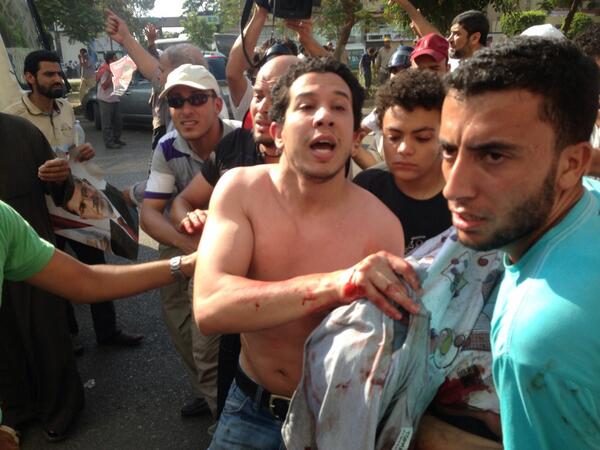

"The Muslim Brotherhood’s Gehad El-Haddad said via Twitter that shootings at the Republican Guards headquarters were not by the guards but by neighboring military police. He said that it "is not known if [the shooting was] under panic or by order."
News agency AFP reported three dead at clashes outside the Cairo headquarters of the Republican Guard on Friday where supporters of ousted Egyptian president Mohamed Morsi are demonstrating.
AFP reports that the pro-Morsi protesters were carrying weapons. Reuters has also quoted a figure of three dead, according to "security sources."
A military spokesman has denied using live fire against protesters in Cairo. Only blank round and tear gas have been used, he claimed in comments reported by Reuters.
The Muslim Brotherhood and their allies called for protests today against the ousting of president Mohamed Morsi, labelling the day 'the Friday of Rejection.'
Pro-Morsi marches are also taking place in Alexandria and Beheira, both in the north, and in Minya in Upper Egypt, among other cities.
Ahram Online
"The Muslim Brotherhood’s Gehad El-Haddad said via Twitter that shootings at the Republican Guards headquarters were not by the guards but by neighboring military police. He said that it "is not known if [the shooting was] under panic or by order."
News agency AFP reported three dead at clashes outside the Cairo headquarters of the Republican Guard on Friday where supporters of ousted Egyptian president Mohamed Morsi are demonstrating.
AFP reports that the pro-Morsi protesters were carrying weapons. Reuters has also quoted a figure of three dead, according to "security sources."
A military spokesman has denied using live fire against protesters in Cairo. Only blank round and tear gas have been used, he claimed in comments reported by Reuters.
The Muslim Brotherhood and their allies called for protests today against the ousting of president Mohamed Morsi, labelling the day 'the Friday of Rejection.'
Pro-Morsi marches are also taking place in Alexandria and Beheira, both in the north, and in Minya in Upper Egypt, among other cities.
In Cairo, there are a number of demonstrations in Giza, on the eastern side of the river.
The Republican Guards headquarters is a short distance from Rabaa Al-Adawiya Square where thousands of Morsi supporters have been holding a sit-in for a week now."
The Republican Guards headquarters is a short distance from Rabaa Al-Adawiya Square where thousands of Morsi supporters have been holding a sit-in for a week now."
Egypt’s second revolution: Questions of legitimacy
Democracy is constituted by the express and active will of real, living people, not by a box; this is especially true when these people are engaged in an on-going revolution, charting their and their nation’s future
AS USUAL, SIMPLY GREAT!
Hani Shukrallah , Thursday 4 Jul 2013
Ahram Online

"The US government, a substantial section of mainstream Western media and the ousted Muslim Brotherhood all seem to agree: what took place in Egypt over the past few days was a military coup, a setback for the country's alleged "transition" to democracy.
Irrespective of the variety of vested interests involved, what the three detractors of one of the most potent popular revolutionary upsurges in modern history share is contempt. Twenty-two million signatures (at nearly 50 percent of the nation’s adult population) are collected demanding the ousting of the president; the same demand is made by some 17 million people (at nearly 30 percent of the adult population) as they hit the streets throughout the country, in what has been described as the biggest demonstration in the history of mankind, and they do so against a barrage of threats and predictions warning of 30 June’s "rivers of blood," and stay there.
Unprecedented it may be, yet not really worth seeing (the Washington Post persisted in speaking of "rival demonstrations" between Morsi supporters and the "opposition"), it is not democracy; it is the army and the "deep state." Nothing short of the most profound sense of contempt for these very people could explain such utter blindness.
For the Muslim Brotherhood the contempt is deep-seated within a doctrine that constructs the leaders of the Gama’a as the ultimate interpreters of God’s will on earth, and as such owed blind obedience, and a lot of hand-kissing, by their "flock" – little wonder then that a rebellious Egyptian people have come to call them "sheep."
From the Western side of the above equation – and I am still dealing here with ideological perspective rather than crass interest – it is the equally deep-seated conviction that such people as Arabs and Muslims are incapable of insisting on the sort of "liberties" that "Western Man" takes for granted.
Certainly, race has become passé, now replaced by "culture," but what with our ostensibly inherent and immutable "Muslim" culture all we presumably can hope for is the kind of stunted and deformed "democracy" that Morsi and his tribe were offering us, never mind freedom of expression, speech, belief, assembly and protest, never mind also the frenzied power grab of Mubarak’s oligarchic and deeply authoritarian state machinery, kept fully intact but for the change of its bosses.
(In June of this year, the deposed Brotherhood president appointed in one sweep 17 new governors from among his group and its allies, a mere three months ahead of planned parliamentary elections, the better to rig them more effectively).
None of it, however, seemed to really matter, minor snags along the "transition," since all we Arabs and Muslims could hope for and deserve is a 2 percent margin in the ballot box – that is democracy enough in terms of our "culture."
Yet, there is another aspect to the blindness. Throughout history, popular revolutions by one people have had a tendency to inspire revolutionary upsurges by other peoples, just as Egypt’s was inspired by Tunisia’s, Libya, Yemen, Bahrain and Syria by both. For such a revolution to lead to a bungling, grimly oppressive Islamist regime, whose single claim to "democracy" is ostensibly "free and fair" elections is to drastically undercut such inspirational value. Would the Greeks find inspiration in such an outcome, or the Brazilians?
It was only on the fourth day of Egypt’s second revolution, and following intense American pressure to keep Morsi and the Muslim Brotherhood in power, that US President Barak Obama seemed to discover – all of a sudden – that democracy is not reducible to the ballot box.
Well, hey hurray! In fact, the history of democracy the world over is one where democratic liberties are won on the street, not the ballot box. Even if we set aside the founding democratic revolutions of the modern world, from Cromwell to Robespierre, via America’s founding fathers (beside which Egypt’s twin revolutions appear sparkling clean – "legitimacy" – wise), the extension of the franchise was won on the street, and so was the right of women to vote; trade unions, which were crucial in defining the very meaning of democracy and democratic liberties in today’s world, did not come out of the ballot box, but were born and evolved on shop-floors and on the street, and so has been the redefining of democracy in terms of women’s rights and liberation, well beyond the right to vote.
And last but not least Mr. Obama, need we remind you that the mere thought of running for office would not have occurred to you had it not been for the Montgomery Bus Boycott, the Greensborro Sit-Ins, the March on Washington and the hundreds of other battles, big and small, waged with tremendous sacrifice, on the streets of the self-proclaimed "greatest democracy on earth," by a great many people, including such "legitimacy"‐unsavory characters as Malcolm X, Rap Brown, Stokely Carmichael and Angela Davis?
A very long and heroic march, full of blood and tears, put you in office Mr. Obama, and it was on the street that the heroes of these battles marched. And throughout the ballot box merely translated, almost always partially, and in stunted form, the gains won, yes, on the street.
Which seems to bring us straight back to our own erstwhile president, Dr. Morsi himself.
In his final, customarily incoherent, address to the nation, the former president (and don’t you just love the prefix "former" attached to the title of two presidents in a little over as many years) repeated the word "legitimacy" literally dozens of times. But here is a little reminder Mr. former-president, you were actually in prison when your predecessor, the "legitimate" president of the country, voted into his fourth term in what your American and other Western allies then hailed as Egypt’s first multi-candidate presidential elections, was illegitimately unseated. (There was nothing in the Egyptian Constitution then in force that allowed the president to cede his powers to something called the Supreme Council of the Armed Forces – SCAF).
We do not know the real story behind your escape from prison, whether it was the people in charge who broke you out of it, or a Hamas contingent imported especially for that purpose, as has been suggested in recent months. And frankly, I do not care. Morsi and other Muslim Brotherhood leaders were political prisoners, and in a revolution, setting political prisoners free is right and proper, even if "illegitimate."
The thing is, of course, that since the revolution the powers that be in Egypt, hijackers all, have been juggling "revolutionary legitimacy" and formal, legal legitimacy as stipulated by the Constitution and the law of the land, willy-nilly, arbitrarily – and always in ways best tailored to suite their immediate ends. The SCAF did so, over and over again, and so did the Muslim Brotherhood.
The starkest and most flagrant example of this was the "elected" president’s flaunting of constitution, law and democratic norms, by issuing, in November 2012, a Constitutional Declaration immunising his decisions against judicial review, immunising as well that mockery of a legislative body, the consultative Shura Council (the third of which members are appointed by the president, the other two-thirds scornfully voted in by a measly 7 percent of the electorate), and vesting it meanwhile with full legislative authority, and immunising furthermore, a Constituent Assembly, which had been transformed into a closed club of the Muslim Brotherhood an its Salafi and Jihadi allies. Both these institutions had been facing imminent rulings of unconstitutionality by Egypt’s Supreme Constitutional Court.
And what was Morsi's justification of such draconian measures which clearly aimed at perpetuating the Muslim Brotherhood’s sway over the country until such a time as humanity meets its maker? "Revolutionary legitimacy!" Well, Mr. former-president, this is exactly what is called being "hoist by your own petard," with the added qualification that yours’ was that of a hijacker, while the people who unseated you derived their revolutionary legitimacy from a real, living revolution, historically unprecedented by virtue of 22 million signatures, by virtue of millions on the streets."
الابتعاد عن السيناريو المفضل... والثورة مستمرة
AN EXCELLENT COMMENT BY HANEEN ZOA'BI
حنين زعبي

"وعد الشعب المصري القيادة التي ستنتخب بمرجعية ثورة 25 يناير، أنها ستبقى تحت الاختبار، وأعلنها بشكل واضح، لا لبس فيه، أن البرلمان سيحكم بمرجعية الميدان، أي أن "مرجعية الثورة" ستبقى مفعلة، ما دام الميدان يقظا، وما دام النظام المنتخب لم يحول "مرجعية الثورة" إلى قواعد ثابتة في الحكم. لكن الذي فعله النظام المنتخب وفق أول انتخابات نزيهة تشهدها مصر في تاريخها، أنه قام بنسف القواعد الثابتة لثورة ما زالت متحركة، غافلا أن الحراك الثوري هذا يؤسس لأغلبية متغيرة، لا يشير لها صندوق الانتخابات.
ما دامت الثورة مستمرة، وما دام الميدان يقظا، فالحكم على الأمور يتم بمرجعية الثورة، وليس بمرجعية صندوق الانتخابات، وسيكون المطلوب ممن استلم الحكم، بغض النظر عن أيديولوجيته وعن مشروعه السياسي، أن يؤسس هو لقواعد حكم ديمقراطية، تعكس قيم الثورة وأهدافها، وأهمها تشكيل دستور يضمن العدل والمساواة، وسيادة القانون، وبناء مؤسسات تعتمد على الكفاءات، وإطلاق الحريات العامة والفردية، وضمان استقلال القضاء والإعلام، وقبل ذلك مطلب الثورة الأول وهو محاكمة رموز النظام السابق الضالعين بالفساد والقمع.
هذه مطالب الثورة، وهي لا تسقط بالاحتكام لصندوق الانتخابات، وهي قائمة بغض النظر عن نتائجه، كما أنها تعتبر شروطا ضرورية، لئلا يحسب النظام خارجا عن أهداف الثورة وقيمها. إلى جانب ضمان تلك المطالب، التي تؤمّن بناء الديمقراطية، كان على النظام أن يعمل على نهضة مصر اقتصاديا وصناعيا وعلميا، وأن يقدم حلولا اقتصادية واجتماعية لمشاكل الفقر والتلوث والبطالة وغيرها.
سقط نظام مرسي لأنه فشل في بناء الديمقراطية من جهة، ولأنه فشل في تقديم حلول لمشاكل مصر المستعصية. ولم يسقط لأنه ينتمي لحركة الأخوان المسلمين، بل إن العكس هو الصحيح، لقد قررت الحركة أن تفشل نفسها قبل أن يقرر شعبها إسقاطها من السلطة، وذلك بأن وضعت نفسها ومؤسساتها ومصالحها فوق مصالح الدولة، ولم تحسن قراءة الواقع الثوري الجديد وتعاملت معه كواقع ما قبل الثورة، وبأدوات إدارة قديمة. باختصار لم يستوعب نظام مرسي المرحلة.
وفي الوقت الذي ضمن فيه الميدان ثورة شهد لها العالم، لم يضمن صندوق الانتخابات حكما ثوريا، ولا استطاعت يقظة الميدان التأثير على ثورية النظام، الذي لم يرغب هو الآخر في إدارة واستيعاب الفئات الثورية العديدة التي بقيت مشتعلة وفاعلة بعد الانتخابات، بل وخسر – وهو الفائز بفارق صغير جدا- جزءا كبيرا من مصوتيه، كما يشهد بذلك ميدان التحرير، وكما تشهد "جبهة الإنقاذ" المكونة من فئات سبق وانتخبت مرسي.
إلى جانب ذلك، فشل النظام في خطوات بناء الديمقراطية، ففشل في تشكيل الجمعية التأسيسية للدستور داخل البرلمان، وضمن بذلك دستورا وسع من صلاحيات الرئيس دون إمكانية الاحتكام للقضاء، ودخل في صدام أفقي مع المجتمع، وحاول الاستحواذ على مؤسسات الدولة، مخاطرا أولا بشرعيته هو التي لا معنى لها خارج تمثيل وحدة مصالح الدولة.
ولم يدخل نظام مرسي في صدام جدّي مع الفلول، ومع رموز وبقايا حكم مبارك، وكان يستطيع ذلك، إلا عندما هدد هؤلاء سلطته بشكل مباشر، فمثلا، لم يطلب مجلس الشعب، صاحب الأغلبية الاخوانية، عزل أحمد شفيق، رمز نظام مبارك، إلا بعدما قررت الحركة خوض المعركة الرئاسية، ورأت في شفيق منافسا لها.
كان الفشل في تطهير بقايا نظام مبارك، وفي بناء ديمقراطية ما بعد الثورة، فشلا في تأسيس شرعية مرسي نفسه، فكان هو أول من أخرج نفسه عن كونه ممثلا لشرعية عامة، وعامل الدولة ومؤسساتها كممثل لفصيل سياسي. لقد تراجعت حركة الأخوان المسلمين أولا عن موقفها بعد ثورة ٢٥ يناير، بعدم ترشيح رئيس للجمهورية منها، ثم أكدت أنها لن تسعى إلى أكثر من ثلث مجلس الشعب، حتى لو استطاعت، ثم تراجعت، ثم رشحت "مستقلين" قريبين من الحركة، ثم ألحقت ذلك بتعيينات حزبية كثيرة.
مع ذلك، لم يكن ما حصل هو السيناريو المفضل...
كان من الأجدى بكثير، لو استوعب نظام مرسي قواعد المرحلة الجديدة، وقرر إما الانسحاب من السلطة والاستقالة، والدعوة لانتخابات مبكرة، وإما الانسحاب من قرارات سياسية تتعلق بالدستور وغيره والتراجع عنها. دخول الجيش كمنقذ، في صراع سياسي من الدرجة الأولى، فيه الدولة بعيدة عن الانهيار أو عن الحرب الأهلية، دليل على توسع صلاحيات الجيش وتدخله في اللعبة السياسية.
كان من الأجدى للمعارضة، لو حرصت على الفصل ما بينها وما بين معارضة الفلول، لأن دون ذلك الفصل تضيع قيم الثورة وأهدافها مرة أخرى، ويتحول الصراع من صراع ثوري صرف، إلى صراع ضد حركة سياسية بعينها هي حركة الأخوان المسلمين. وفي هذا السياق، يتحمل مرسي نفسه مسؤولية عدم حصار الفلول سياسيا، وعدم فرزها عن المعارضة الوطنية.
وبما أن الثورة مستمرة، وما حصل حصل بمرجعيتها، فعلى شعب الميدان أن يحرص على عدم حصار حركة الإخوان المسلمين، وعلى التعامل معها كحركة سياسية شرعية، دون إقصاء أو معاقبة، فهذا هو أحد امتحانات المرحلة المقبلة، ومؤشر هام على أن ما حصل حصل بمرجعية ثورية وليس لأهداف سياسية انتقامية. المهمة الثانية للميدان، هي تمايز المعارضة، ما بين معارضة ثورية، وما بين الفلول، الموجودين هم أيضا داخل الميدان، فاستكمال الثورة، لا يتم دون عزل مؤيدي نظام مبارك، وإقصائهم هم من اللعبة السياسية، وهذا ما لم نشهده في تصريحات قيادات المعارضة نفسها التي بدأ وكأنها تحرص على عدم التمايز مع نظام مبارك.
كما يجب على المعارضة الثورية أن تراجع نفسها، وأن تقدم نفسها كبديل حقيقي، حيث تبقى هي العاجزة الأساسية منذ الثورة، عن تحمل وحمل نتائجها. و يجب أن تجري حركة الإخوان المسلمين، في كل مكان، مراجعة شاملة لأدائها، وأن تعي حجمها الحقيقي والتراجع الحاصل والمستمر في شعبيتها، وأن تدرك قواعد المرحلة الجديدة في العالم العربي، ومركزية مفهوم الحرية في الثورات العربية.
الثورة مستمرة... وهي ليست إسلامية وليست لا إسلامية.. وهي ثورة في النفوس وفي المفاهيم، وليس فقط في المطالب.. وهي مستمرة حتى ضمان قيمها وأهدافها في النظام السياسي الذي يتم بناؤه.
"
حنين زعبي
"وعد الشعب المصري القيادة التي ستنتخب بمرجعية ثورة 25 يناير، أنها ستبقى تحت الاختبار، وأعلنها بشكل واضح، لا لبس فيه، أن البرلمان سيحكم بمرجعية الميدان، أي أن "مرجعية الثورة" ستبقى مفعلة، ما دام الميدان يقظا، وما دام النظام المنتخب لم يحول "مرجعية الثورة" إلى قواعد ثابتة في الحكم. لكن الذي فعله النظام المنتخب وفق أول انتخابات نزيهة تشهدها مصر في تاريخها، أنه قام بنسف القواعد الثابتة لثورة ما زالت متحركة، غافلا أن الحراك الثوري هذا يؤسس لأغلبية متغيرة، لا يشير لها صندوق الانتخابات.
ما دامت الثورة مستمرة، وما دام الميدان يقظا، فالحكم على الأمور يتم بمرجعية الثورة، وليس بمرجعية صندوق الانتخابات، وسيكون المطلوب ممن استلم الحكم، بغض النظر عن أيديولوجيته وعن مشروعه السياسي، أن يؤسس هو لقواعد حكم ديمقراطية، تعكس قيم الثورة وأهدافها، وأهمها تشكيل دستور يضمن العدل والمساواة، وسيادة القانون، وبناء مؤسسات تعتمد على الكفاءات، وإطلاق الحريات العامة والفردية، وضمان استقلال القضاء والإعلام، وقبل ذلك مطلب الثورة الأول وهو محاكمة رموز النظام السابق الضالعين بالفساد والقمع.
هذه مطالب الثورة، وهي لا تسقط بالاحتكام لصندوق الانتخابات، وهي قائمة بغض النظر عن نتائجه، كما أنها تعتبر شروطا ضرورية، لئلا يحسب النظام خارجا عن أهداف الثورة وقيمها. إلى جانب ضمان تلك المطالب، التي تؤمّن بناء الديمقراطية، كان على النظام أن يعمل على نهضة مصر اقتصاديا وصناعيا وعلميا، وأن يقدم حلولا اقتصادية واجتماعية لمشاكل الفقر والتلوث والبطالة وغيرها.
سقط نظام مرسي لأنه فشل في بناء الديمقراطية من جهة، ولأنه فشل في تقديم حلول لمشاكل مصر المستعصية. ولم يسقط لأنه ينتمي لحركة الأخوان المسلمين، بل إن العكس هو الصحيح، لقد قررت الحركة أن تفشل نفسها قبل أن يقرر شعبها إسقاطها من السلطة، وذلك بأن وضعت نفسها ومؤسساتها ومصالحها فوق مصالح الدولة، ولم تحسن قراءة الواقع الثوري الجديد وتعاملت معه كواقع ما قبل الثورة، وبأدوات إدارة قديمة. باختصار لم يستوعب نظام مرسي المرحلة.
وفي الوقت الذي ضمن فيه الميدان ثورة شهد لها العالم، لم يضمن صندوق الانتخابات حكما ثوريا، ولا استطاعت يقظة الميدان التأثير على ثورية النظام، الذي لم يرغب هو الآخر في إدارة واستيعاب الفئات الثورية العديدة التي بقيت مشتعلة وفاعلة بعد الانتخابات، بل وخسر – وهو الفائز بفارق صغير جدا- جزءا كبيرا من مصوتيه، كما يشهد بذلك ميدان التحرير، وكما تشهد "جبهة الإنقاذ" المكونة من فئات سبق وانتخبت مرسي.
إلى جانب ذلك، فشل النظام في خطوات بناء الديمقراطية، ففشل في تشكيل الجمعية التأسيسية للدستور داخل البرلمان، وضمن بذلك دستورا وسع من صلاحيات الرئيس دون إمكانية الاحتكام للقضاء، ودخل في صدام أفقي مع المجتمع، وحاول الاستحواذ على مؤسسات الدولة، مخاطرا أولا بشرعيته هو التي لا معنى لها خارج تمثيل وحدة مصالح الدولة.
ولم يدخل نظام مرسي في صدام جدّي مع الفلول، ومع رموز وبقايا حكم مبارك، وكان يستطيع ذلك، إلا عندما هدد هؤلاء سلطته بشكل مباشر، فمثلا، لم يطلب مجلس الشعب، صاحب الأغلبية الاخوانية، عزل أحمد شفيق، رمز نظام مبارك، إلا بعدما قررت الحركة خوض المعركة الرئاسية، ورأت في شفيق منافسا لها.
كان الفشل في تطهير بقايا نظام مبارك، وفي بناء ديمقراطية ما بعد الثورة، فشلا في تأسيس شرعية مرسي نفسه، فكان هو أول من أخرج نفسه عن كونه ممثلا لشرعية عامة، وعامل الدولة ومؤسساتها كممثل لفصيل سياسي. لقد تراجعت حركة الأخوان المسلمين أولا عن موقفها بعد ثورة ٢٥ يناير، بعدم ترشيح رئيس للجمهورية منها، ثم أكدت أنها لن تسعى إلى أكثر من ثلث مجلس الشعب، حتى لو استطاعت، ثم تراجعت، ثم رشحت "مستقلين" قريبين من الحركة، ثم ألحقت ذلك بتعيينات حزبية كثيرة.
مع ذلك، لم يكن ما حصل هو السيناريو المفضل...
كان من الأجدى بكثير، لو استوعب نظام مرسي قواعد المرحلة الجديدة، وقرر إما الانسحاب من السلطة والاستقالة، والدعوة لانتخابات مبكرة، وإما الانسحاب من قرارات سياسية تتعلق بالدستور وغيره والتراجع عنها. دخول الجيش كمنقذ، في صراع سياسي من الدرجة الأولى، فيه الدولة بعيدة عن الانهيار أو عن الحرب الأهلية، دليل على توسع صلاحيات الجيش وتدخله في اللعبة السياسية.
كان من الأجدى للمعارضة، لو حرصت على الفصل ما بينها وما بين معارضة الفلول، لأن دون ذلك الفصل تضيع قيم الثورة وأهدافها مرة أخرى، ويتحول الصراع من صراع ثوري صرف، إلى صراع ضد حركة سياسية بعينها هي حركة الأخوان المسلمين. وفي هذا السياق، يتحمل مرسي نفسه مسؤولية عدم حصار الفلول سياسيا، وعدم فرزها عن المعارضة الوطنية.
وبما أن الثورة مستمرة، وما حصل حصل بمرجعيتها، فعلى شعب الميدان أن يحرص على عدم حصار حركة الإخوان المسلمين، وعلى التعامل معها كحركة سياسية شرعية، دون إقصاء أو معاقبة، فهذا هو أحد امتحانات المرحلة المقبلة، ومؤشر هام على أن ما حصل حصل بمرجعية ثورية وليس لأهداف سياسية انتقامية. المهمة الثانية للميدان، هي تمايز المعارضة، ما بين معارضة ثورية، وما بين الفلول، الموجودين هم أيضا داخل الميدان، فاستكمال الثورة، لا يتم دون عزل مؤيدي نظام مبارك، وإقصائهم هم من اللعبة السياسية، وهذا ما لم نشهده في تصريحات قيادات المعارضة نفسها التي بدأ وكأنها تحرص على عدم التمايز مع نظام مبارك.
كما يجب على المعارضة الثورية أن تراجع نفسها، وأن تقدم نفسها كبديل حقيقي، حيث تبقى هي العاجزة الأساسية منذ الثورة، عن تحمل وحمل نتائجها. و يجب أن تجري حركة الإخوان المسلمين، في كل مكان، مراجعة شاملة لأدائها، وأن تعي حجمها الحقيقي والتراجع الحاصل والمستمر في شعبيتها، وأن تدرك قواعد المرحلة الجديدة في العالم العربي، ومركزية مفهوم الحرية في الثورات العربية.
الثورة مستمرة... وهي ليست إسلامية وليست لا إسلامية.. وهي ثورة في النفوس وفي المفاهيم، وليس فقط في المطالب.. وهي مستمرة حتى ضمان قيمها وأهدافها في النظام السياسي الذي يتم بناؤه.
"
"الغرفة السرية".. كيف تعمل حركة تمرّد المصرية؟
عــ48ـرب
"من أين ينشط أعضاء حركة تمرّد التي استطاعت أن تجمع أكثر من 22 مليون توقيع على عريضة تطالب بانتخابات مبكرة في مصر، وكانت الوقود الأساسي للمظاهرات الأكبر التي شهدها تاريخ مصر وربما العالم في 30 حزيران؟ من أين يُدار تحرك الجماهير؟ ومن أين تُصدر البيانات وتُنفى الشائعات؟
الغرفة السرية أو كما يحب أعضاؤها أن يطلقوا عليها اسم «بطن الزير» كاسم «حركي» ينشط فيها الجنود المجهولين كغرفة مركزية لإدارة مظاهرات ٣٠ يونيو، التى شكلتها حملة «تمرد»، داخل شقة فخمة، فى مصر الجديدة، تبرع أحد الأشخاص بمنحها للحملة، وآخر بإخلاء شقته ليستطيع أعضاء الحملة الذين يديرون الأمور بعيدا عن الميدان وعن الواجهة الإعلامية، ممارسة عملهم.
تقول الناشطة منى سليم في لقاء أجرته معها صحيفة "المصري اليوم": «الغرفة المركزية تنقسم إلى عدد من اللجان ويشرف على جميع اللجان بشكل إداري شيرين الجيزاوي، عضو اللجنة المركزية للحملة، شقيقة المحامى أحمد الجيزاوي، المعتقل بالسعودية، ووليد المصري، عضو اللجنة المركزية، وهما مسؤولان عن التنسيق بين لجان الغرفة المختلفة».
وهذه اللجان، وفقا، لـ«منى»، هى اللجنة الإعلامية ويتولى مسؤوليتها أعضاء الموقع الإلكتروني للحملة، وعدد من أعضاء اللجنة التنسيقية بقيادة عمرو بدر، رئيس تحرير الموقع، بالإضافة إلى لجنة العمل الجماهيري، والتى تشارك فيها آية حسني وريهام المصري وإسلام نور الدين وإسلام همام ومحمد نبوي وشيماء التوني، بالإضافة إلى محمد هيكل، الذي يشرف على تحركات المسيرات والتفاعل داخل الاعتصام ومهمة اللجنة المنصة وخيام المعتصمين بأماكن الاعتصام.
وأضافت: «هناك أيضا لجنة الإعاشة ومهمتها توزيع الطعام والمياه على المعتصمين، من أعضاء الحملة، ويتولى كل من سلامة فكري ونانسي مليجي، الإشراف عليهم، إلى جانب منسقين فى المناطق بالقاهرة والقليوبية، وهم الأبطال الحقيقيون داخل الحملة وعددهم كبير جدا».

- أعضاء "تمرّد" يحتفلون بغرفتهم السرية بعد عزل مُرسي -
وأشارت إلى أن «لجنة التأمين واللجان الشعبية، يشرف عليها كل من أحمد بديع وأحمد
المصرى والسيد حسني، وتتولى اللجنة بالتنسيق مع مئات المتطوعين مهمة الإشراف على
عدم دخول أي شخص بأسلحة وتأمين أماكن الاعتصام ليلا، من خلال اللجان الشعبية وهناك
أيضا اللجنة الطبية ويتولى الإشراف عليها الدكتور محمد عوض، والدكتورة رشا سليم،
وتقوم اللجنة بالتنسيق مع الكيانات الطبية والمستشفى الميدانى
لتمرد».
وقالت: «هناك أيضا لجنة التواصل مع المحافظات، مسؤول عنها معي، سيد غريب، ومن الإسكندربة خالد القاضى، ومن السويس مصطفى السويسي وتتولى إيمان المهدي، لجنة الموارد، وهى لجنة لجمع التبرعات من أعضاء الحملة، وتوزيعها على اللجان المختلفة فيما تشرف مها أبوبكر وحسن سليمان وكريم المصري على اللجنه القانونية وتقوم بالتنسيق مع المحامين فى عدد من المحافظات ولجان الحريات المختلفة». وتضيف «منى» أن التواصل مع القوى السياسية والمتحدثين الرسميين والمؤسسين من خلال لجنة مشكلة من محمود بدر ومحمد عبد العزيز وحسن شاهين.
وأضافت «منى»: «الجنود المجهولون فى الحملة ليسوا هؤلاء فقط، لكن هناك ملايين وقعوا وجمعوا التوقيعات وقاموا بالفرز والذى تولى الإشراف عليه فى الحملة بالقاهرة، الدكتور أمير زين، وشارك معه إسلام وائل، أصغر عضو فى الحملة، وهو في الثانوية العامة».وقالت شيرين الجيزاوى: «أكثر الأزمات التى تواجه الغرف، أنها سرية ولابد أن تظل سرية كأماكن، حتى لا يحدث أى هجوم عليها من مؤيدى الرئيس محمد مرسي، الذين نتوقع هجومهم علينا فى كل وقت».وأضافت: «نحن لا نخشى إلا الله سبحانه وتعالى، ولا نعرف الخوف، وسرية الأماكن لضمان عدم حرقها أو الاعتداء عليها نظرا لوجود أجهزة لاب توب كثيرة مع أعضاء اللجنة الإعلامية، ووجود فتيات لا يمكن المخاطرة بوضعهن فى خطر».وقال السيد حسنى، مسؤول تأمين الغرف القريبة من القصر،إن «التأمين لا يتم بأي سلاح على الإطلاق، لكنه بوجود عدد من المتطوعين على بدايات الشوارع، وفى حالة حدوث أي أمر مريب نقوم بإخلاء الغرفة وتأمين انصراف الموجودين، إلى أماكن أخرى وحتى الآن المنطقة الموجودة بها الغرفة لم يحدث أي محاوله لاقتحامها لقربها من الاتحادية، والأهالي الذين يعرفون بوجودها وهم ثقة يشاركون معنا فى التأمين، وحياتنا هنا عادية وبسيطة جدا وعلاقاتنا أسرية، والوجبة الرئيسية للغداء هى الفول والطعمية».
"من أين ينشط أعضاء حركة تمرّد التي استطاعت أن تجمع أكثر من 22 مليون توقيع على عريضة تطالب بانتخابات مبكرة في مصر، وكانت الوقود الأساسي للمظاهرات الأكبر التي شهدها تاريخ مصر وربما العالم في 30 حزيران؟ من أين يُدار تحرك الجماهير؟ ومن أين تُصدر البيانات وتُنفى الشائعات؟
الغرفة السرية أو كما يحب أعضاؤها أن يطلقوا عليها اسم «بطن الزير» كاسم «حركي» ينشط فيها الجنود المجهولين كغرفة مركزية لإدارة مظاهرات ٣٠ يونيو، التى شكلتها حملة «تمرد»، داخل شقة فخمة، فى مصر الجديدة، تبرع أحد الأشخاص بمنحها للحملة، وآخر بإخلاء شقته ليستطيع أعضاء الحملة الذين يديرون الأمور بعيدا عن الميدان وعن الواجهة الإعلامية، ممارسة عملهم.
تقول الناشطة منى سليم في لقاء أجرته معها صحيفة "المصري اليوم": «الغرفة المركزية تنقسم إلى عدد من اللجان ويشرف على جميع اللجان بشكل إداري شيرين الجيزاوي، عضو اللجنة المركزية للحملة، شقيقة المحامى أحمد الجيزاوي، المعتقل بالسعودية، ووليد المصري، عضو اللجنة المركزية، وهما مسؤولان عن التنسيق بين لجان الغرفة المختلفة».
وهذه اللجان، وفقا، لـ«منى»، هى اللجنة الإعلامية ويتولى مسؤوليتها أعضاء الموقع الإلكتروني للحملة، وعدد من أعضاء اللجنة التنسيقية بقيادة عمرو بدر، رئيس تحرير الموقع، بالإضافة إلى لجنة العمل الجماهيري، والتى تشارك فيها آية حسني وريهام المصري وإسلام نور الدين وإسلام همام ومحمد نبوي وشيماء التوني، بالإضافة إلى محمد هيكل، الذي يشرف على تحركات المسيرات والتفاعل داخل الاعتصام ومهمة اللجنة المنصة وخيام المعتصمين بأماكن الاعتصام.
وأضافت: «هناك أيضا لجنة الإعاشة ومهمتها توزيع الطعام والمياه على المعتصمين، من أعضاء الحملة، ويتولى كل من سلامة فكري ونانسي مليجي، الإشراف عليهم، إلى جانب منسقين فى المناطق بالقاهرة والقليوبية، وهم الأبطال الحقيقيون داخل الحملة وعددهم كبير جدا».
- أعضاء "تمرّد" يحتفلون بغرفتهم السرية بعد عزل مُرسي -
وقالت: «هناك أيضا لجنة التواصل مع المحافظات، مسؤول عنها معي، سيد غريب، ومن الإسكندربة خالد القاضى، ومن السويس مصطفى السويسي وتتولى إيمان المهدي، لجنة الموارد، وهى لجنة لجمع التبرعات من أعضاء الحملة، وتوزيعها على اللجان المختلفة فيما تشرف مها أبوبكر وحسن سليمان وكريم المصري على اللجنه القانونية وتقوم بالتنسيق مع المحامين فى عدد من المحافظات ولجان الحريات المختلفة». وتضيف «منى» أن التواصل مع القوى السياسية والمتحدثين الرسميين والمؤسسين من خلال لجنة مشكلة من محمود بدر ومحمد عبد العزيز وحسن شاهين.
وأضافت «منى»: «الجنود المجهولون فى الحملة ليسوا هؤلاء فقط، لكن هناك ملايين وقعوا وجمعوا التوقيعات وقاموا بالفرز والذى تولى الإشراف عليه فى الحملة بالقاهرة، الدكتور أمير زين، وشارك معه إسلام وائل، أصغر عضو فى الحملة، وهو في الثانوية العامة».وقالت شيرين الجيزاوى: «أكثر الأزمات التى تواجه الغرف، أنها سرية ولابد أن تظل سرية كأماكن، حتى لا يحدث أى هجوم عليها من مؤيدى الرئيس محمد مرسي، الذين نتوقع هجومهم علينا فى كل وقت».وأضافت: «نحن لا نخشى إلا الله سبحانه وتعالى، ولا نعرف الخوف، وسرية الأماكن لضمان عدم حرقها أو الاعتداء عليها نظرا لوجود أجهزة لاب توب كثيرة مع أعضاء اللجنة الإعلامية، ووجود فتيات لا يمكن المخاطرة بوضعهن فى خطر».وقال السيد حسنى، مسؤول تأمين الغرف القريبة من القصر،إن «التأمين لا يتم بأي سلاح على الإطلاق، لكنه بوجود عدد من المتطوعين على بدايات الشوارع، وفى حالة حدوث أي أمر مريب نقوم بإخلاء الغرفة وتأمين انصراف الموجودين، إلى أماكن أخرى وحتى الآن المنطقة الموجودة بها الغرفة لم يحدث أي محاوله لاقتحامها لقربها من الاتحادية، والأهالي الذين يعرفون بوجودها وهم ثقة يشاركون معنا فى التأمين، وحياتنا هنا عادية وبسيطة جدا وعلاقاتنا أسرية، والوجبة الرئيسية للغداء هى الفول والطعمية».
Mohamed Morsi's final days – the inside story
Egypt's first freely elected president found himself isolated and abandoned by allies as even his guards simply stepped away
guardian.co.uk,
In the end, Egypt's first freely elected president found himself isolated, abandoned by allies and no one in the army or police willing to support him.
Even his Republican Guards simply stepped away as army commandos came to take him to an undisclosed defence ministry facility, according to army, security and Muslim Brotherhood officials who gave the Associated Press an account of Morsi's final hours in office.
The Muslim Brotherhood officials said they saw the end coming for Morsi as early as 23 June – a week before the opposition planned its first big protest. The military gave the president seven days to work out his differences with the opposition......
There was such distrust between Morsi and the security agencies that they began withholding information from him – deploying troops and armour in cities without his knowledge.
Police also refused to protect Muslim Brotherhood offices that came under attack in the latest wave of protests.
Therefore, when Morsi was fighting for his survival, there was no one to turn to, except calling for outside help through western ambassadors and a small coterie of aides from the Brotherhood who could do little more than help him record two last-minute speeches......
Brotherhood officials said they saw the end coming.
"We knew it was over on 23 June. Western ambassadors told us that," said another Brotherhood spokesman. US ambassador Anne Patterson was one of the envoys, he added......
According to the usually authoritative newspaper Al-Ahram, Morsi was offered safe passage to Turkey, Libya or elsewhere, but he declined. He also was offered immunity from prosecution if he voluntarily stepped down....."
guardian.co.uk,
The army chief came to President Mohammed Morsi with a simple demand: Step down on your own.
"Over my dead body!" Morsi replied to General Abdel Fatah al-Sisi on Monday, two days before the army eventually ousted him after a year in office.In the end, Egypt's first freely elected president found himself isolated, abandoned by allies and no one in the army or police willing to support him.
Even his Republican Guards simply stepped away as army commandos came to take him to an undisclosed defence ministry facility, according to army, security and Muslim Brotherhood officials who gave the Associated Press an account of Morsi's final hours in office.
The Muslim Brotherhood officials said they saw the end coming for Morsi as early as 23 June – a week before the opposition planned its first big protest. The military gave the president seven days to work out his differences with the opposition......
There was such distrust between Morsi and the security agencies that they began withholding information from him – deploying troops and armour in cities without his knowledge.
Police also refused to protect Muslim Brotherhood offices that came under attack in the latest wave of protests.
Therefore, when Morsi was fighting for his survival, there was no one to turn to, except calling for outside help through western ambassadors and a small coterie of aides from the Brotherhood who could do little more than help him record two last-minute speeches......
Brotherhood officials said they saw the end coming.
"We knew it was over on 23 June. Western ambassadors told us that," said another Brotherhood spokesman. US ambassador Anne Patterson was one of the envoys, he added......
According to the usually authoritative newspaper Al-Ahram, Morsi was offered safe passage to Turkey, Libya or elsewhere, but he declined. He also was offered immunity from prosecution if he voluntarily stepped down....."
Subscribe to:
Posts (Atom)