Wednesday, September 25, 2013

Poll: Americans have negative view of Obama on Syria, Iran

CBS

"As President Obama took to the world stage Tuesday addressing the United Nations General Assembly, a new CBS News/New York Times poll shows that more Americans disapprove than approve of how he is handling Syria, Iran and foreign policy, in general.

U.S.-Iran Relations

More Americans disapprove than approve of how Mr. Obama is handling relations with Iran. The poll was completed in advance of Mr. Obama's speech at the U.N.


As is the case on many issues today, there are sharp partisan splits: most Democrats approve (68 percent), while few Republicans (16 percent) do.

Americans don't foresee relations with Iran improving any time soon. Only 22 percent expect relations to improve in the next few years, while more expect them to stay the same (41 percent) or worsen (32 percent).

Republicans in particular expect things to worsen; Democrats are more positive.

Americans may find it hard to judge whether the recent outreach from Mr. Obama to the new Iranian president will lead to improvement. A plurality of 38 percent says they don't know what will come of that effort, 30 percent say it will make at least some difference in relations, and 30 percent think it won't matter much.

The Syrian Crisis

Although they have doubts it will work, Americans overwhelmingly favor (82 percent) the deal reached between the U.S. and Russia for Syria to turn over its chemical weapons.

On this, Democrats and Republicans agree.

But Americans remain skeptical that Syria will comply: two-thirds think it is unlikely that Syria will actually turn over all its chemical weapons to inspectors.


Americans still would not support airstrikes against the Syrian government, even if Syria fails to comply -- an option that the U.S. says remains on the table if the diplomatic solution ultimately fails.

Underlying these views, a large majority (68 percent) continues to believe in principle that the U.S. doesn't have a responsibility to do something about the fighting in Syria. As was the case earlier this month, majorities of Democrats and Republicans don't view this as a U.S. responsibility, and there has been little shift in the public's views about this in recent weeks, or over the longer term.

Most Americans don't differentiate in how civilians are killed: 68 percent say the international community should respond to all civilian killings the same, while 25 percent say civilian killings from chemical and biological weapons warrant a stronger response than killings using conventional weapons.

The President's Handling of Syria

Most Americans (64 percent) continue to say the Obama administration has not clearly explained their goals in Syria, though the percentage who says it has done so has risen in recent weeks (28 percent now; 14 percent earlier this month).

The president's approval rating on Syria has seen a small uptick to 37 percent from 33 percent two weeks ago, but remains mostly negative: 52 percent disapprove.


The president's rating on foreign policy overall is more negative than in July, before the escalation of U.S. involvement in the Syria crisis. Just 40 percent approve of his handling of foreign policy, while 49 percent disapprove - the highest disapproval he has ever received on this measure.


___________________________________________________________

Tuesday, September 24, 2013


IRAN NOW KNOWS THAT OBAMA IS A WIMP AND CAN BE HAD.

HE IS NO MATCH FOR THOSE PERSIAN BAZAAR WHEELER DEALERS.

Al-Jazeera Video: في العمق- صناعة الكذب والتلاعب بالعقول

AN EXCELLENT VIDEO!

Real News Video: Opposing Intervention in Syria Without Apologizing for a Dictatorship


 In part two of Reality Asserts Itself, Paul Jay and Rania Masri discuss the charge that opposing foreign intervention is support for Assad; the idea that Assad is "anti-imperialist"; and the role of violence in fighting dictatorship


More at The Real News

Monday, September 23, 2013

مأزق ثورة سوريا في ضوء صفقة الكيميائي


لم نكن في حاجة إلى صفقة الكيميائي التي تابعنا تفاصيلها مؤخرا كي ندرك حجم المأزق الذي تعيشه الثورة السورية، وخلل ميزان القوى الذي يحول بينها وبين تحقيق الانتصار رغم الإرادة التي يمتع بها الثوار، ورغم الصمود المذهل الذي أبداه الشعب السوري في مواجهة نظام دموي لا يرحم.

وفي حين يبدو البعد الأول للمأزق الذي تعيشه الثورة السورية هو البعد الداخلي ممثلا في استناد النظام إلى أقلية متماسكة تتحكم بالمؤسسة الأمنية والعسكرية، ومن حولها أقليات أخرى ينحاز أغلب أبنائها للنظام، فإن البعد الخارجي هو الأكثر وضوحا على صعيد خلل ميزان القوى الذي منح النظام فرصة الصمود لعامين ونصف العام رغم الضربات التي تلقاها، ورغم سيطرة الثوار على حوالي 60% من التراب السوري.

لقد تمتع النظام بحجم إسناد خارجي بالغ القوة والتماسك، ولولاه لما كان بوسعه الصمود كل هذا الوقت، وتتشكل عناصر ذلك الإسناد من دعم إيران وحلفائها (العراق وحزب الله بشكل خاص، مع مليشيات شيعية أخرى) والذي تجاوز البعد العسكري المباشر (مقاتلين وأسلحة) إلى البعد الذي لا يقل أهمية ممثلا في البعد الاقتصادي.

وحيث يعلم الجميع أنه لولا الأموال التي تتدفق من إيران لدعم النظام، ومن العراق أيضا، لما كان بوسعه الصمود كل هذا الوقت، وصولا إلى قدرته على الصرف على المجهود العسكري الرهيب، معطوفا على مصاريف الدولة في ظل غياب عناصر الدخل الأخرى، أو أكثرها.
يعلم الجميع أنه لولا الأموال التي تتدفق من إيران والعراق لما كان بوسع النظام  الصمود كل هذا الوقت، وصولا إلى قدرته على الصرف على المجهود العسكري الرهيب، معطوفا على مصاريف الدولة
إلى جانب الدعم القادم من إيران وحلفائها يبرز الدعم الروسي الذي تمثل في البعد العسكري، لكنه كان أكثر وضوحا على الصعيد السياسي، حيث وقفت روسيا كسند سياسي عنيد وسط حالة تعددية قطبية منحتها فرصة التأثير الكبير في المشهد الدولي.

وقد جاءت قصة الكيميائي الأخيرة لتثبت أن روسيا تمثل بالفعل سندا بالغ القوة والتأثير للنظام، حيث تمكنت من الناحية العملية من إخراجه من مأزق كبير يتمثل في ضربة عسكرية لم تكن في وارد إسقاطه، لكنها وضعته في حالة خوف حقيقي.

على أن الأهم من ذلك كله في عناصر المأزق الذي تعيشه الثورة السورية هو ذلك المتمثل في الدعم المحدود الذي تتلقاه إذا حُسب بمنطق ميزان القوى مقارنة بالدعم الذي يتلقاه النظام، ذلك أن الجبهة التي تُحسب بوصفها داعمة للثورة تعيش تناقضات كبيرة تؤثر عليها وعلى واقع دعمها.

ليس من العسير القول إن الدولتين الوحيدتين اللتين كانتا حريصتين على انتصار الثورة منذ الشهور الأولى لحمل السلاح هما تركيا وقطر، الأولى بسبب القطيعة التي فُرضت عليها مع النظام بعد تردد طويل، ومن ثم الاستنزاف الذي بدأ يطالها من استمرار الثورة دون حسم، والثانية بسبب انحيازها التقليدي إلى جانب الثورات.

ما عدا ذلك، كانت للدول الأخرى حساباتها الخاصة في التعامل مع الثورة، فهي من جهة تريد العمل على تحجيم المحور الإيراني، فضلا عن حاجتها لدعم الثورة في ظل انحياز شعبي داخلي عارم لها، وهي من جهة أخرى لم تكن تريد للثورة انتصارا واضحا يمنح دفعة للربيع العربي الذي كانت مواجهته هي أولويتها الرئيسة خشية وصوله إليها، لاسيما أن القوى التي تصدرت المشهد بعده هي القوى الإسلامية، وهي ذات القوى الأكثر فاعلية على صعيد الداخل عندها.

ولأن السياسة أولويات، ولأن أولوية بعض داعمي ثورة سوريا هي مواجهة الربيع العربي، بينما تأتي إيران في المرتبة الثانية، فقد وجدت تلك الدول أن استمرار النزيف السوري يحقق الهدفين معا، إذ يستنزف إيران من جهة، ولا يمنح ربيع العرب دفعة جديدة بانتصار الثورة بشكل واضح من جهة أخرى.
لأن السياسة أولويات، ولأن أولوية بعض داعمي ثورة سوريا هي مواجهة الربيع العربي، بينما تأتي إيران في المرتبة الثانية، فقد وجدت تلك الدول أن استمرار النزيف السوري يحقق الهدفين معا
أميركيا وغربيا، لم تكن هناك إرادة ولا في أي لحظة لدعم الثورة على نحو يمنحها فرصة الانتصار، وذلك رغم بعض الخطاب السياسي الذي يناصرها، إن كان بسبب تبني قيم الديمقراطية في الظاهر، أم كان بسبب الموقف من إيران.

وحين نتذكر أن أميركا هي التي كانت تضغط دائما لمنع السلاح النوعي عن الثوار، فسيكون بوسعنا إدراك حقيقة الموقف الغربي التابع بشكل واضح لهواجس دولة الاحتلال التي وجدت في ثورة سوريا ثقبا أسود يستنزف إيران وحزب الله وتركيا وربيع العرب ويخلق فتنة سنية شيعية تريحها من وجع الرأس الذي يتسبب به الجميع، بل يمهد الأجواء لتسوية سياسية مع الفلسطينيين تحقق أغلب مطالبها.
وقد ازداد موقف هذه الجبهة وضوحا بعد صعود نجم الجماعات الجهادية في الثورة السورية، والتي يمكن القول إن دورها كان كبيرا في مواجهة النظام، لكن تأثيرها السياسي كان سلبيا على المواقف الدولية، وبعض العربية من الثورة.

في ظل هذا الخلل في ميزان القوى بين الثورة والنظام وجدت الثورة نفسها في حالة من المراوحة والاستنزاف، الأمر الذي ينطبق على النظام، ولولا قوة الإرادة والعزيمة للثوار، وصمود الشعب لكانت الثورة في وضع أسوأ، لاسيما بعد أن دخل حزب الله والحرس الثوري ومليشيات شيعية على الخط في ميدان القتال.

والحال أن هذا المأزق الذي تعيشه الثورة لم يكن غائبا عن وعي الكثيرين منذ البداية، وهو تحديدا ما دفعنا إلى القول منذ الشهور الأولى لحملها السلاح إننا أمام مشهد أفغاني بامتياز، سواء في بعده المتعلق بميزان القوى وطبيعة الصراع، مع فارق غياب ما يعادل القوة الأميركية في الحالة الأفغانية، أم في بعده المتعلق بمشاركة القوى الجهادية في الصراع، ويبدو أن هذا الأمر قد تأكد بشكل أكثر وضوحا الآن، من دون أن يكون بوسعنا التكهن بالوقت الذي ستستغرقه المعركة.

والسؤال الذي يطرح نفسه الآن، لاسيما بعد تلاشي سيناريو الضربة العسكرية، هو إلى أين يمضي المشهد، وهل نحن إزاء سيناريو استنزاف طويل جدا، أم أن الحسم قد يكون قريبا، وهل ثمة احتمالات أخرى؟

يبدو من الصعب الجزم بالقادم في المدى القريب، لكن احتمال الاستنزاف الطويل يبدو الأكثر ترجيحا، إذ لن يسمح داعمو الثورة بحسم من قبل النظام بعد كل الذي جرى، وفي المقابل فإن احتمال أن يلقي هؤلاء بثقل أكثر وضوحا لمنحها فرصة الانتصار لا يبدو قريبا أيضا في ظل الحسابات السياسية التي أشرنا إليها، وفي ظل المخاوف من دور الجماعات الجهادية.
يبدو احتمال الاستنزاف الطويل  الأكثر ترجيحا، إذ لن يسمح داعمو الثورة بحسم من قبل النظام بعد كل الذي جرى، وفي المقابل فإن احتمال أن يلقي هؤلاء بثقل أكثر وضوحا لمنحها فرصة الانتصار لا يبدو قريبا أيضا
الاحتمال الآخر يتمثل في أن يفرض المجتمع الدولي حلا وسطا يقبل به الروس، ويرضي الأميركيين (ومن ورائهم الكيان الصهيوني). حل يحركه هاجس الجماعات الجهادية أكثر من أي شيء آخر، وهو حل قد تدعمه تركيا وإيران تجنبا لمزيد من الاستنزاف الذي تتعرضان له، وقد يكون حلا برعايتهما أيضا إذا ما تفاهما عليه.

الاحتمال الآخر الذي قد يأمل فيه كثير من السوريين يتمثل في أن تحسم الدول الداعمة للثورة أمرها، وتتخذ قرارا واضحا بإلقاء ثقلها في اتجاه الحسم، حتى لو أخذت هواجس الخائفين من الربيع العربي بالحسبان، بحيث يؤدي ذلك إلى تغيير كبير في ميزان القوى، ومن ثم تغيير متفق عليه يأخذ في الاعتبار مصالح الجميع بعيدا عن مطالب إيران وحلفائها، وبعيدا عن الإملاءات الغربية والمطالب الإسرائيلية أيضا.

نتحدث هنا عن البعد الخارجي لأنه الأكثر تأثيرا، لكن البعد الداخلي لا يقل أهمية بحال، ويتمثل في تفاهمات أكبر بين قوى الثورة وفصائلها يقدم إسقاط النظام على أي هدف آخر، إلى جانب مساعٍ جادة لتفعيل البعد الشعبي للثورة، والذي غاب تماما في المرحلة الأخيرة، الأمر الذي ساهم عمليا في تغييبها كثورة شعبية وحشرها في إطار من التمرد المسلح على نظام سياسي.

إذا لم يحدث شيء من ذلك، فإن خيار الاستنزاف الطويل سيبقى قائما إلى أمد لا يُعرف مداه، لكنه لن ينتهي أبدا ببقاء بشار الأسد في السلطة، وحينها ستدرك إيران وحلفاؤها أية جريمة ارتكبوها بحق أنفسهم، وبحق سوريا وشعبها، وبحق الأمة بأسرها التي دخلت في مزاج حشد مذهبي غير مسبوق.

لقد جاء اتفاق الكيميائي ليفضح حقيقة النظام وداعميه، بخاصة إيران، فقد أسقط الاتفاق حكاية المقاومة والممانعة، وتبدى النظام وحلفاؤه على حقيقتهم كأصحاب مشروع طائفي لا صلة له بالمقاومة ولا بالممانعة، وقد أثبتوا قابليتهم لبيع كل شيء من أجل بقائه، وهم الآن بصدد تكرار اللعبة فيما يتصل بالملف النووي في إيران. ولا شك أن هذه الفضيحة سيكون لها دورها أيضا في تحسين شروط المعركة، أقله من الناحية السياسية.

Spilling the NSA’s Secrets: Guardian Editor Alan Rusbridger on the Inside Story of Snowden Leaks

Democracy Now!

"Three-and-a-half months after National Security Agency leaker Edward Snowden came public on the the U.S. government’s massive spying operations at home and abroad, we spend the hour with Alan Rusbridger, editor-in-chief of The Guardian, the British newspaper that first reported on Snowden’s leaked documents. The Guardian has continued releasing a series of exposés based on Snowden’s leaks coloring in the details on how the NSA has managed to collect telephone records in bulk and information on nearly everything a user does on the Internet. The articles have ignited widespread debate about security agencies’ covert activities, digital data protection and the nature of investigative journalism. The newspaper has been directly targeted as a result — over the summer the British government forced the paper to destroy computer hard drives containing copies of Snowden’s secret files, and later detained David Miranda, the partner of Guardian journalist Glenn Greenwald. Rusbridger, editor of The Guardian for nearly two decades, joins us to tell the inside story of The Guardian’s publication of the NSA leaks and the crackdown it has faced from its own government as a result......."

Is Hamas Finished? Facing a Youth Rebellion and Egyptian, Iranian Hostility

By Juan Cole

"....
Just as the Egyptian Muslim Brotherhood was overthrown in part by the militantly secularist Tamarrud or Rebellion movement, so Palestinian youth in Gaza have thrown up their own Rebellion group. They feed stories to the Egyptian press such as that Hamas keeps a secret string of secret prisons where they imprison their ideological (secular) enemies and where they practice the ugliest kinds of torture and interrogations. The Gaza Rebellion/ Tamarrud movement claims to have masses of supporters and to be considered a real threat by Hamas.

In fact, the Israelis are now being a little nicer to Gaza than the Egyptians, since they are sending in a few truck loads of building materials, on which they still have restrictions lest Hamas build military bunkers with the cement. The extent of Israeli generosity should not be exaggerated. The USG Open Source Center translates this item for September 21: “Palestinian Information Center in Arabic at 0819 GMT on 21 September cites Deputy Jamal al-Khudari, chairman of the popular committee for confronting the siege, as saying that ‘losses incurred by the suspension of the projects of the private sector, the municipalities, and the various institutions in the Gaza Strip have reached $100 million as a result of the Zionist siege,’ adding that ‘Israel’s promises to allow entry of building material covers only 25 percent of these projects if Israel fulfills its promise, which means the continued disruption of many of these projects.’”

Some observers are speculating that the Egyptian army will intervene in Gaza to overthrow Hamas. Others think Hamas will be forced by its new financial woes to make up with the PLO, which runs the West Bank, and essentially put itself under President Mahmoud Abbas.

While it is true that guerrilla movements are difficult to simply starve out, Hamas does at the moment seem in real trouble. There have long been signs that Palestinian youth in Gaza are sick and tired of its extreme fundamentalism, so if change comes, it could have a local social base."

Palestinian Authority must end use of excessive force in policing protests

Amnesty International
Dozens of Palestinian police attacked peaceful protesters during two demonstrations in Ramallah in July 2012.
"Palestinian Authority (PA) police and security forces in the occupied West Bank must cease using unnecessary and excessive force against demonstrators, and must be held accountable when they commit human rights violations, Amnesty International said today.
A new briefing, published today details how police and security forces have repeatedly carried out unprovoked and unlawful attacks on peaceful protesters. It also accuses the PA authorities of allowing them to do so with impunity.
“Standards during the policing of demonstrations in the West Bank continue to fall woefully short of those prescribed by international law,” said Philip Luther, Middle East and North Africa Director of Amnesty International. “As a result, the rights to freedom of expression and assembly are being severely eroded.”
During incidents on 30 June and 1 July last year, police and security forces, some in plain clothes, violently attacked peaceful demonstrators who were protesting against a meeting in Ramallah between Palestinian President Mahmoud Abbas and an Israeli government minister. At least five protesters required hospital treatment. The violence caused public outrage and in its aftermath President Abbas announced that he had appointed an Independent Investigative Committee to look into the conduct of the police and security forces. The Interior Minister also set up a separate internal investigation.
More than a year later, the PA has yet to publish the full report of the independent investigation although it has disclosed a summary of the findings, including that PA police and security forces used “unnecessary”, “unjustified” and “disproportionate” force against peaceful protesters who posed no risk and journalists, and acted outside the law. The Interior Ministry’s internal investigation is said to have reached similar conclusions, although its report has not been published either.
A 23-year-old woman who was hospitalized following the violence told Amnesty International:
“I was attacked by a police officer in civilian clothes who grabbed me, scratched my arm with his nails and kicked me on my legs… I was then attacked by a police officer in uniform who beat me with a baton on the head which made me fall on the ground.”
“Despite the findings of the Independent Investigative Committee, the PA has not prosecuted any of its police or security forces for the violence they perpetrated against peaceful protesters and other unlawful conduct in Ramallah on 30 June and 1 July last year,” said Philip Luther. “Such impunity inevitably fosters further abuses, as evidenced by further incidents in which PA forces have used excessive force against protesters since mid-2012.”
Most recently, PA police and security forces are alleged to have violently attacked peaceful protesters on at least four separate occasions in July and August 2013. Some attacks were carried out by officers in plain clothes who targeted and sought to intimidate women protesters and journalists present to report on the demonstrations.
Security forces were also implicated in causing the deaths of two Palestinians in recent months. On 8 May, Khaleda Kawazbeh died in unexplained circumstances during a PA police raid in the village of Se’ir, near Hebron, and eight others were injured. On 27 August, Amjad Odeh, 37, died after he was shot in the head, apparently by PA police, during a protest.
“The Palestinian Authority needs urgently to call an end to this pattern of abuse by its police and security forces and to break the cycle of impunity which fosters it,” Philip Luther said. “The PA must ensure that police officers and other members of the security forces who commit unlawful acts against protesters and others are held to account through criminal prosecutions, and ensure that all law enforcement personnel are adequately trained to respect rights when policing protests.”
Amnesty International is also calling on the EU, the USA and other donor governments that have provided financial aid to the PA to train its police and security forces to demand that they are held accountable to international human rights law and standards.
“International donors need to make clear to the PA’s leadership that they are not prepared to tolerate continued rights violations by PA police and security forces and that future assistance is dependent on PA leaders’ ensuring full accountability,” said Philip Luther."

Sunday, September 22, 2013

In Ramallah market, Max Blumenthal shows the fruits of occupation

By Philip Weiss

"In ten days, an important book about the conflict will be published, Max Blumenthal’s Goliath: Life and Loathing in Greater Israel. The book is important because it will change the paradigm of Israel inside liberal American opinion, by demonstrating how occupation and ethnocracy have transformed the Israel of so many Americans’ dreams into an intolerant, tough, and often racist society.

Blumenthal performs this shift by marshaling facts about a highly distressing reality inside the occupation and in Israel itself. And because we see that change as so vital to American awareness and policy-making, I’m going to be getting Blumenthal’s ideas out in weeks to come.

Last week I interviewed him inside the Ramallah fruit and vegetable market. It’s 5 minutes, above. Blumenthal explains that almost all of the fruits and vegetables in the market are from Israeli farms, especially in the Jordan Valley, on expropriated land.

He describes the ways that the Palestinian agricultural sector has been almost completely destroyed, by occupation and by the Oslo process, which kept Palestinians from developing an independent economic base.

And he says that one of the best ways to resist occupation is by generating your own economy and boycotting. Palestinians have been unable to do this. Gaza and the West Bank are treated as captive markets."

عزمي بشارة مؤرخاً لآلام سوريا

حازم نهار
‎المفكر العربي الدكتور عزمي بشارة‎

"يستوقفنا العنوان الرئيس لكتاب عزمي بشارة ملياً: "سورية: درب الآلام نحو الحرية – محاولة في التاريخ الراهن"، وكأننا أمام ملحمة لمجموعة من القديسين، وهي كذلك فعلاً، فالثورة والإصرار عليها وزمنها الطويل وطبيعة النظام الحاكم كلها عوامل تجعل ممن يثورون عليه مجموعة من البشر الذين يذكروننا بطارق بن زياد الذي حرق سفنه خلفه ليضع نفسه أمام معادلة وحيدة هي "النصر أو الشهادة"، وهي التي لا يجرؤ عليها البشر الطبيعيون.
عندما يتحدث المرء في الراهن فإنه يتصدى لمهمة شاقة ستجد من يُستفز بسببها أو يعترض على رواية حادثة ما، فكيف إن كانت المهمة تتعلق بالتأريخ لثورة شغلت العالم كله دولاً وشعوباً وحكومات، وهناك مواقف عديدة ومتباينة منها، بغض النظر عن صدقية بعضها. وربما لكل ذلك استخدم عزمي بشارة عنواناً فرعياً ذا دلالة: "محاولة في التاريخ الراهن". وكان الرجل متواضعاً ليقول بصراحة أن عمله هو "محاولة" للغوص في هذه الثورة، مثلما أكّد في مقدمة الكتاب بأن "هذا البحث كتوثيق تاريخيّ يعي حدوده لأنه يجري في خضّم الحوادث".
من الصعب على أي كتاب أن يرصد جميع بطولات أهل الثورة وأسماء شخوصها الفاعلين، بخاصة أن ميادين الثورة كانت عديدة ومتنوعة، سواء في التظاهرات أو الفكر أو السياسة أو الإعلام أو الإغاثة أو العمل المدني، فضلاً عن مدتها الطويلة، والأهم أن الكتاب ينطلق من الرصد والتوثيق لكن هدفه في المآل دراسة منطق الحوادث ومآلاتها أكثر من التركيز على الأسماء الفاعلة التي ما زال معظمها غير معروف بحكم عوامل عديدة، أحدها القبضة الأمنية المستمرة.
لا يخفي عزمي بشارة بالطبع انحيازه التام إلى الثورة السورية بدءاً من عنوان الكتاب، فضلاً عن أن ذلك كان واضحاً منذ اليوم الأول للثورة في تصريحاته ولقاءاته، على الرغم مما وضعه من نقد صحيح في ثنايا الكتاب حول مسارات ومواقف عديدة فيها أو تحذيرات عن مآلاتها الممكنة، أملاً في الاستفادة منها، لكن من موقع المتضامن معها روحياً وعقلياً. وهو يختلف بذلك عن الكثيرين من القوميين واليساريين العرب الذين كان هاجسهم الأكبر خلال الربيع العربي هو الخوف على شعاراتهم أكثر من انتصارهم لقضية الإنسان، ولذلك سقطت شعاراتهم وسقطوا معها.
أُتيحت لي فرصة قراءة مخطوطة الكتاب قبل النشر، واستوقفتني مسائل أوليّة عديدة. لعل أولها هو الجهد العظيم المبذول في لملمة التفاصيل والحوادث والتصريحات وتوثيقها وفرزها، فضلاً عن دراسة ومقارنة شهادات عديدة لنشطاء ومثقفين ومعارضين، مع ما يحمله مثل هذا النوع من الأعمال من مخاطر، لكن الكتاب كان موفقاً إلى حدٍ بعيدٍ في توظيفها واستخدامها، خاصة في نأي الكاتب عن الوقوع في مطبّ الانتقائية الذي يصاحب هذا النوع من الكتابة.
وثاني المسائل التي استوقفتني هي القدرة الاستثنائية على تمييز الخرافات المبثوثة في كل مكان حول الثورة، سواء من جانب الماكينات الإعلاميّة للنظام والدول المؤيدة له بما خلقته من خلطٍ للحقيقة بالخيال، ومن كذبٍ صريحٍ في حالاتٍ كثيرةٍ، أو من جانب أوساط مؤيدة للثورة بما يعتمل لديها من رغبات وما يسكنها من تخيلات وأوهام. هذه القدرة على التمييز لا شك يقف خلفها جهد كبير من البحث والاستقصاء والمقارنة والنقاش، وعقلٌ يتسم بالموضوعية والمسؤولية، ولنا أن نتخيل حجم الوقت الذي يتطلبه كل ذلك.
وثالثها، اكتشاف وتحديد الخطوط الأساسية والمنطق العام للحدث السوري بوضوح في المستويات كافة بعد الإحاطة بالحوادث وخلفياتها، وهو ما يسمح بعدم التوهان والضياع في التفاصيل، بما يجعل الكتاب متجاوزًا بالتأكيد الأرشفة التقليدية إلى استكشاف المنطق التاريخي للحدث السوري وتحليل المواقف والسياسات وتوقع المسارات والنتائج. وهو ما يمكن تلخيصه بأن الكتاب كان ناجحًا في اكتشاف القوانين التاريخية في الواقع الراهن للثورة.
ورابعها، المعرفة العميقة بالتاريخ والواقع السوريين، وهو ما ظهر في التشخيص الدقيق لطبيعة النظام السوري وبنيته، وخلفيات مواقفه وسلوكياته، وكذلك مثالب وعيوب المعارضة السورية بكافة تياراتها، والعلاقات الإقليمية والدولية لسورية، وخلفيات مواقف الدول ومصالحها في سورية، فضلاً عن المعرفة الدقيقة بتكوينات المجتمع السوري الإثنية والدينية والمذهبية، وأثر كل ذلك على مسار الثورة وتطوراتها.
يتتبع الكتاب مسار الثورة السوريّة بشكلٍ عام منذ إرهاصاتها الاحتجاجيّة الأولى وانطلاقتها السلميّة، كما يرصد ديناميّاتها الاجتماعيّة، وتحوّلها إلى ثورة مسلحة، وما نتج خارجها من ظواهر عنفيّة ثوريّة أو جنائيّة أو طائفيّة. كما يستعرض مبادرات الحل السياسيّة ولا سيما جهد الجامعة العربيّة، إضافة إلى التفاعلات العربيّة والإقليميّة والدوليّة المرافقة، وقد خصّص قسمًّا لرصد نشاط المعارضة السياسيّة وحراكها أثناء الثورة. ولفهم الثورة السوريّة بشكلٍ معمّق وقف الكتاب على فترة نظام الأسد الإبن منذ توليه السلطة عام 2000 وحتى عام 2011، والتي فوّت فيها النظام فرصة الإصلاح السياسيّ، والتغيير الديمقراطيّ التدريجيّ.
في مستوى دراسة النظام السوري وعلاقته بالثورة، حدّد عزمي بشارة عدة خصائص للنظام، منها أن ما يميز النظام السوري عن نظامي مبارك وزين العابدين هو رفضه لأي إصلاح، وقابليّته لاستخدام العنف غير المحدود ضد الثورة في بلاده، وضد الشعب السوريّ بشكل عام، فقد أدرك باكراً أن النظامين الآفلين لم يستخدما ما يكفي من القوة في بداية الحوادث لوأدها، لأن الجيش لم يكن مواليًا لهما بشكل أعمى، إضافة إلى رهانه على علاقاته الإقليمية والدولية، وكذلك على خوف فئات المدن الكبرى وفئات اجتماعيّة مختلفة من الفوضى والفتنة الطائفيّة. 
وفي مستوى الثورة السورية ومساراتها، يرى عزمي بشارة، وهو ما لا يمكن إنكاره أيًّا تكن قناعاتنا الأيديولوجية، أنه "لا يمكن فصل الثورة السوريّة عن المناخ الثوريّ العربيّ الذي ساد بعد نجاح الثورة التونسيّة والمصريّة، ولا يمكن تحليلها خارج سياقاته". فهذا هو العامل الرئيسيّ المباشر في نشوب الثورة، إذ إن أسباب الثورة السياسيّة والاجتماعيّة والاقتصاديّة كانت قائمة منذ زمن طويل، ومرت مراحل كان فيها النظام السوريّ أكثر ضعفًا، وأقل استقرارًا، لكن الثورة اندلعت في مرحلةٍ بدا فيها النظام في أوج استقراره، وبدا فيها مرتاحًا مع كسر عزلته الدوليّة. إنه عامل المرحلة التاريخيّة وارتباط الشعب السوريّ الثقافيّ السياسيّ، وربما الوجداني، بما يجري في المنطقة العربيّة.
أي أن دوافع ومسببات الاحتجاج في سوريّة تتشابه بنيويًا مع تلك في الثورات العربيّة الأخرى، فالشعب السوريّ ينشد الحريّة والكرامة، ويتوق إلى المواطنة وحقوق المواطن، حاله في ذلك حال الشعوب العربيّة كافة. والاختلاف الرئيس في ثورته "يكمن في خصوصيّة مجتمعه المركبّ دينيًّا، وطائفيًّا، وإثنيًّا، والتي أعاقت تبلور هُويّة وطنيّة جامعة تسمح بفصل المجتمع عن النظام، وبالتالي أيضًا النظام عن الدولة". كما يكمن الاختلاف الثاني في "الوضع السياسيّ الجيوستراتيجي لسورية، وكونها جزءًا من محور دوليّ لا يؤيّد أيّ تحوّل ديمقراطيّ، في أي مكان في العالم، ولا سيما في الدول التابعة له"، أما الاختلاف الثالث فيكمن في "اغتراب النظام شبه الكامل عن المجتمع وتعامله معه كاستعمار داخليّ". هذه الاختلافات عن الثورات الأخرى تفسر بشكلٍ أساسيٍّ، إلى جانب السمات البنيوية للنظام السوري، المسار الطويل والمعقد للثورة السورية. 
يرى بشارة، على الرغم من الجدل المعروف في هذا السياق، أن "الخيار المسلح خيار النظام وليس خيار الثورة". لكن استخدام السلاح أدى إلى تحوّلٍ بنيويٍّ في الثورة، سواء بالنسبة للقطاعات الاجتماعيّة المشاركة فيها، أم لجهة تغيير طبيعة قادتها الميدانيّين، خاصة بعد قتل النظام واعتقاله وتهجيره للآلاف من الناشطين المدنيين، ومع الزمن نشأت ظاهرة أمراء الحرب، وبرزت العناصر الجنائيّة المسلحة التي كانت قائمة في ظل الدولة الأمنيّة، إضافة للعناصر الجهاديّة التي لا تشارك الثورة أهدافها. كما أن استمرار الثورة لفترة طويلة وظهور المذابح وجرائم الكراهيّة على خلفيّة طائفيّة، والتي قام بها النظام على الأخص، قد زاد من حدة الاستقطاب في المجتمع السوريّ، وهذا أدى إلى زيادة خطر تحوّل الصراع إلى نوعٍ من الاحتراب الطائفيّ.
لقد حاول الكتاب أن يشرح أيضاً بنية وتطور المعارضة السياسية في سورية قبل الثورة وخلالها، مبينًا الأسباب الذاتيّة والموضوعيّة لتشتتها وارتباكها. لكنه ركّز على أن الخطر الأكبر يكمن في التشتت التنظيميّ للقوى المسلحة اليوم وبروز ظاهرة أمراء الحرب، إلى جانب تعدّد الكتائب والألوية المسلحة التي لا تخضع لأي قرار قرار مركزيّ.
وفي سياق تلمّس الحلول الممكنة، يرى عزمي بشارة أن السيناريوهات الكارثية محتملة ما لم يتم التوصل إلى تسوية سياسيّة تضمن رحيل النظام وبقاء جهاز الدولة، وتضمن تحولًا تدريجيًّا نحو الديمقراطيّة. فالبديل  عن هذه التسوية هو "تعمّق الصراع وتحوله إلى صراع طائفيّ وإثنيّ" أو "دولة فاشلة بعد هزيمة النظام". لذلك يرى أن إسقاط النظام ليس كافيًا، فقد تسقط معه الدولة إذا لم يتوافر "برنامج سياسيّ تلتف حوله قوى الثورة لبناء سورية المستقبل"، ومن دون ذلك يصعب تصور توحيد سورية وإعادة إنتاجها كدولة تقوم بوظائفها السياسية والاقتصادية والمدنيّة، وذات جيش وطنيّ قوي وسيادة وطنية. 
لا يخفي عزمي بشارة في جميع مواضع الكتاب محبته الصادقة للشعب السوري وإعجابه الكبير بتضحياته وشجاعته ومثابرته على الظفر بالحريات والتخلص من الاستبداد، ولذلك يرى أنه "يمكن تحويل الطاقة الجبارة الماديّة والمعنويّة لهذا الشعب في صنع نهضة عظيمة لسورية وبلاد الشام والأمة العربيّة"، وهذا يتوقف قبل كل شيء على "وعي ومسؤوليّة الفاعلين السياسيّين"، وفي هذا معه كل الحق.
 
"

Friday, September 20, 2013

Kafranbel: the Syrian revolution in 3 minutes كفرنبل:الثورة السورية في ٣ دقائق

Martin Rowson on Syria – cartoon

Martin Rowson cartoon 21.09.13

Dispatches: U.S. Thinks Arresting Peaceful Opposition is OK – in Bahrain, at Least

By Joe Stork

"The US State Department gave Bahrain’s ruling family a big assist yesterday in its efforts to suppress the opposition party Al Wifaq.

Yesterday, Bahraini authorities arrested Al Wifaq’s deputy leader, Khalil al-Marzooq, on what appears to be trumped up charges. But instead of denouncing the arrest, a US spokesperson criticized Bahrain’s opposition groups for withdrawing from a “dialogue” with the government to protest the arrest.

Al-Marzooq is a prominent public figure and a chief interlocutor with Western governments. According to the Public Prosecution Office statement, officials are holding al-Marzooq for 30 days as they investigate charges of “inciting and advocating terrorism.” Al-Marzooq had been “speaking at many forums, inciting violence and promoting terrorist acts, advocating principles which incite such acts, supporting violence committed by the terrorist coalition, and legally justifying criminal activities,” the statement said.

Bahraini authorities provided no examples of remarks by al-Marzooq supporting their allegations.
Marzooq served as deputy speaker in Bahrain’s 40-member parliament before the group walked out in 2011 to protest the violent crackdown on anti-government demonstrators. Al-Marzooq’s arrest came after he spoke at a rally earlier in September. Human Rights Watch reviewed a video of the rally, in which al-Marzooq said, “We support peaceful movements and transparently state […] that we are not part of the violent groups or their actions.” But it’s the following remark that may have triggered his arrest: al-Marzooq said that the anti-government February 14th Youth Coalition is not a terrorist group, contrary to government assertions.

After the arrest, Al Wifaq and other opposition groups withdrew from a “national dialogue” with the government that appeared to be getting nowhere fast in efforts to address Bahrain’s political crisis.
On Wednesday, when a reporter at the State Department daily briefing in Washington DC asked deputy spokesperson Marie Harf to comment on al-Marzooq’s arrest, she said she was “disappointed that opposition groups have suspended their involvement in the national dialogue … we’ll continue to encourage everyone to participate in it.” Her line never wavered, even when she was asked follow-up questions. Thursday evening, US officials expressed concern about al-Marzooq’s detention – but still didn’t denounce it.
Given the failure to produce any evidence that al-Marzooq or Al Wifaq advocated violence, Harf’s ham-fisted evasion on Wednesday of repeated opportunities to criticize al-Marzooq’s arrest must have been sweet music to the ears of Bahrain’s ruling family hardliners who are determined to quash all manner of dissent. Her next-day reversal displays an alarming inconsistency in US messaging aimed at a government known for repression.
Washington now needs to publicly denounce al-Marzooq’s arrest, and condemn the wider escalation of repression in Bahrain."

AFTER DESTROYING THE COUNTRY: Syrian government says war has reached stalemate

Exclusive: Deputy PM says neither side is strong enough to win and government may call for ceasefire at Geneva talks

in Damascus
The Guardian,


Video report: Gaza is being strangled and its people are suffocating

By Ali Abunimah


"“I feel so depressed, I feel detained and humiliated and violated because I’m denied one of the most basic rights, the right to have an education, the right to travel,” says Shahd Abusalama in this video report from Gaza by The Real News Network’s Yousef Al-Helou.
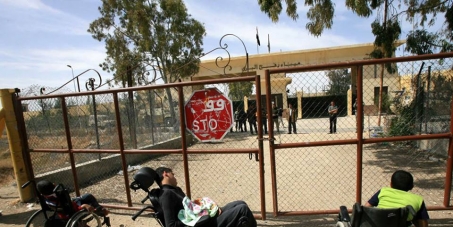
Abusalama, who blogs regularly for The Electronic Intifada, is one of thousands of Palestinians trapped in Gaza, unable to travel due to Egypt’s closure of the Rafah crossing.
The Rafah crossing is the only connection to the outside world for the vast majority of Gaza’s almost 1.7 million residents, since Israel imposed its tightened siege beginning in 2006.
Among the stranded are hundreds of students, like Abusalama, hoping to take up university places or scholarships abroad, as well as many medical patients.
Egypt has closed the border completely for the past week, citing the “security” situation in its Sinai peninsula, where it is engaged in military operations against what it calls Islamist militants.
Since the 3 July military coup that overthrew elected president Muhammad Morsi, Egypt has severely restricted the crossing and on average the number of people passing through the crossing is just 30 percent of what it was before the military takeover.
Egypt opened the crossing for four hours each day on Wednesday and Thursday this week but only for “emergency cases.”
As Al-Helou’s report shows, thousands of people remain at the crossing terminal desperately waiting for their names to be called out by officials.
In another horrifying development, two Palestinian refugees were reported killed on Tuesday when the Egyptian navy opened fire on a boat carrying Syrian and Palestinian refugees from the port of Alexandria toward Italy. Hundreds of other Syrian and Palestinian refugees have been detained.
An Egyptian military court this week sentenced five Palestinian fishermen to one year in prison, allegedly for fishing in Egyptian waters.
Political analyst Haidar Eid told Al-Helou that “what the new Egyptian regime has been doing to Gaza is a form of collective punishment.”
This adds to the collective punishment meted out by Israel. Gaza remains “occupied territory” under international law, says Hamdi Shaqqoura of the Palestinian Centre for Human Rights, and Israel is therefore responsible for the welfare of the population.
The effective imprisonment of the entire population comes amid near economic collapse in the territory as Egypt has moved to destroy almost all the underground tunnels that have served as a lifeline to bring in basic supplies that are severely restricted by the Israeli siege.
Further reading: The Electronic Intifada’s Rami Almeghari reports on the impact of the border closing on Gaza student Malaka Mohammed, who risks losing a hard-earned scholarship in the UK."

Al-Jazeera Video: حديث الثورة- الحملة الأمنية وأشكال الاحتجاجات بمصر

Insight: Angered by chemical deal, Syrian rebels may lose the West

"(Reuters) - The Syrian opposition feels badly let down by Washington's decision to do a deal with Moscow to eliminate Bashar al-Assad's chemical weapons but diplomats are warning the Syrian National Coalition that it risks losing Western support if it cannot adapt to new realities[To hell with "Western support". Syrians have to finally realize that they can only depend on themselves. The West has its own agenda and would rather keep a weakened and compliant Assad; so does Israel.].....

The opposition is therefore furious that Washington suddenly and without its knowledge changed course a week after informing leaders of the main Syrian National Coalition that a strike was imminent, according to coalition members.

In the opposition's view, the deal with Russia contains a de facto admission of the legitimacy of the Assad government, undermining the goal of Syrian uprising and the likelihood that any peace talks will result in Assad's removal....."

From Azmi Bishara's Facebook Page

خلال العمل على كتابي "الدين والعلمانية في سياق تاريخي" تبين لي بشكل مكثف ومركز أنه خلافا للاعتقاد الرائج ليس العرب مميزين أو مختلفين كثيرا عن غيرهم، وأن غالبية النقاشات التي تشغلهم حاليا خاضت فيها شعوب أخرى. مع الفرق أن ذلك حصل ما بين أربعة قرون وقرن واحد قبل العرب. وهذا هو وجه "التميّز" الثابت وجوده.‬

Thursday, September 19, 2013

THIS IS WHAT ARAB ARMIES ARE FOR: KILLING THEIR OWN PEOPLE. Egypt army storms village near Cairo

Kerdassah-Clashes
Cowards in Front of Israel, but Super Men Against Their Own People!

"Egyptian troops and police clashed Thursday morning on the outskirts of Cairo after security forces launched an operation to arrest people accused of torching police stations and killing at least 11 police officers during July clashes. The violence is part of ongoing unrest in the country between security forces and supporters of former President Mohamed Morsi, who was removed from office in a military coup on July 3.

Egypt's official news agency MENA said troops backed by helicopters [Apaches, no doubt!] had surrounded the town of Kerdassah, a known Islamist stronghold, after exchanging fire with suspected militants there.

The clashes have so far killed one policeman -- identified by MENA as an aide to the police chief of the city of Giza -- and at least 48 people were arrested, the interior ministry said, adding that another 135 were wanted for arrest. It said police forces took control of the area and imposed a curfew......"

Current Al-Jazeera (Arabic) Online Poll


Do the current security operations in Egypt secure stability?

With about 300 responding so far, 92% said no.

Egypt: Open Gaza's Rafah Crossing! مصر : افتحوا معبر رفح الحدودي- غزّة

Why this is important


Egypt: Open Gaza's Rafah Crossing! مصر : افتحوا معبر رفح الحدودي- غزّة

Since July 3, Egypt has closed its border with Gaza to all but a trickle of Palestinian travellers, stranding hundreds of individuals who need medical care, dream of studying abroad or are trying to re-unite with family. At the same time, the interim Egyptian government has systematically destroyed most of the tunnels underneath the border, upon which the Palestinians of Gaza rely for vital supplies such as construction materials and affordable fuel – both of which are largely unavailable from Israel, which has virtually sealed its own border with the strip since 2007 (both for human traffic and exports). While the Egyptian government claims the shutdown of its Rafah crossing with Gaza is necessary to prevent activity by armed militants, the result is collective punishment of the entire 1.7 million population -- exactly the same treatment Palestinians have experienced at the hands of Israel. Such a total blockade only further threatens the region’s security through the desperation and anger it builds. For the sake of both humanity and a peaceful future, the people of Gaza must be allowed to travel and trade! (Signed, the International Campaign to #OpenRafahBorder)
 
Please Sign This Petition
 
We call on Egypt’s interim government to: • Re-open the Rafah crossing to travelers going in and out of Gaza, with reasonable security checks and no artificial limits. • Halt the destruction of the tunnels until Egypt has opened the Rafah crossing to commercial traffic, including fuel and construction materials. • Work to open Gaza ‘s borders with both Egypt and Israel on a permanent basis, as well as to allow Palestinians to travel and trade via air and sea -- thus ending the blockade and allowing the residents to build a normal economy.

Enter your email address


Avaaz.org will protect your privacy and keep you posted about this and similar campaigns.
This petition has been created by International Campaign to #OpenRafahBorder . and may not represent the views of the Avaaz community


Egypt Joins Israel as Gaza's Jailer

by Medea Benjamin and Pam Bailey

A Hamas policeman (R) standing in Rafah in the southern Gaza Strip on the border with Egypt, on July 5, 2013, talks to an Egyptian soldier standing in the Egyptian side of the border.

"There was a time when activist groups that focused on helping the Palestinians in Gaza reserved their harshest language and protests for Israel, which long has prohibited both air and sea traffic in and out of Gaza; tightly limited exchanges through its Erez terminal; and banned exports altogether.
While movement in and out of Gaza via the Egyptian terminal at Rafah was restricted as well, it nonetheless was a critical lifeline for Palestinians needing to travel, and for humanitarian aid. Likewise, members of the Egyptian government often played a constructive role in facilitating negotiations between the various Palestinian factions, as well as with international parties.
However, in the two months since the Egyptian military took control, it has made clear it will no longer serve as that “bridge”. In fact, as the military and other opponents of ousted President Mohamed Morsi increasingly blame Palestinian “elements” for growing unrest and violence, particularly in the Sinai Peninsula, the interim government of Egypt has increasingly allied itself with Israel in strategy and actions – becoming just as much Gazans’ jailer as its neighbor to the east. As The Washington Post reported, “with Egypt’s military-backed interim government shutting down the tunnels and largely closing its own pedestrian crossing at Rafah, Gaza is increasingly shut off from the world”.
In response, organizations ranging from the European Campaign to End the Siege of Gaza to Gaza’s Ark (an international coalition focused on ending the Israeli ban on exports) are directly including Egypt in their messaging. And a petition launched by a grassroots coalition calling itself the International Campaign to #OpenRafahBorder  attracted more than 1,000 signatures from around the world in just the first 24 hours. The coalition’s goal is to collect 25,000 signatures and deliver them to Egyptian ambassadors, the United Nations and human rights organizations.
Stranded students and patients
Before Egypt’s military ousted Morsi on July 3, an estimated 1,200 people-a-day used to cross through Rafah, which was Gaza’s main window to the world. Since then, the average number of permitted travelers has only been 250 each day, if Rafah is open at all. At this article’s writing, Rafah had been closed for six consecutive days. The EuroMid Observer for Human Rights estimates that at least 10,000 Palestinians are currently on the waiting list to cross on the Gaza side alone.
Many of the individuals left stranded are students trying to get to universities after months of effort to apply for scarce scholarships. Malaka Mohammed, a 23-year-old refugee, is set to begin studying global politics and law at the UK’s Sheffield University on Sept. 30, after working hard to obtain a partial scholarship and fundraising through an online campaign. With about half of the needed donations already in, Mohammed took a risk and made arrangements to travel to the UK on September 18. Now she is wondering if all that work was for naught.
“Gaza really is the world’s biggest prison and it’s become more so every day. We thought the Rafah crossing was our exit to freedom and happiness. But it has become a place where people lose their hopes,” she posted on Facebook.
Other stranded travelers include persons needing medical care. Ashraf al-Qidra, spokesman for the Gaza Health Ministry, told Reuters that 1,000 individuals a month require medical care in Egypt or other countries due to the shortages and other difficulties in the Strip. While foreign physicians often travel to Gaza to bring vital supplies and provide care, these days they aren’t being allowed in. “Until June, we had received 60 delegations of doctors who performed surgery on 1,000 patients. No delegation has arrived since then,” Qidra told Reuters.
Gazans face fuel shortage
Although word came on September 16, that Palestinian Authority President Mahmoud Abbas had interceded with the Egyptian interim government to open up a few hours for students and sick people, Gazans were unimpressed. Shahd Abusalama, who is trying to leave to study in Istanbul, posted this comment: “Thanks a lot, Abbas, for finding some time to think about us and deciding to take action. We, the Palestinian people in the Gaza Strip, appreciate that you finally have some sympathy for us. The crisis cannot be solved by opening up for just two days, four working hours each. This is not a solution. If they manage to let 500 people cross, what will happen to the rest? F**k him!”
No more pipeline of supplies
Currently, the only way for goods and supplies to enter Gaza is Israel’s Kerem Shalom crossing (Rafah was not constructed to handle freight traffic). However, the volume allowed is far below the population’s needs (179 trucks a day, compared to nearly 600 before Israel imposed the siege in 2007). Thus, underground smuggling tunnels from Egypt to Gaza have played the role of a crucial “safety valve”. According to the EuroMid Observer for Human Rights, Gaza’s businesses have relied on the tunnels for more than 45 percent of their raw materials – including about 7,500 tons of construction materials per day.
However, the Egyptian military now has launched a massive campaign to destroy the tunnels, without a plan for allowing goods in via another route. The operation seems to be part of an effort to cripple Hamas – an offshoot of the Muslim Brotherhood – which governs the coastal enclave.
Local sources say 90 percent of the tunnels have been forced out of operation; fewer than 10 are still open, compared to an estimated 300 before the crackdown. As a result of the tunnel destruction and other restrictions, says the Euro-Mid Observer, 60 percent of industrial businesses are closed and the rest are operating at partial capacity, putting more than 19,500 people out of work.
A related challenge is that Gazans have come to rely on the cheap, state-subsidised fuel and gas smuggled from Egypt (Israeli gas is twice as expensive and thus not affordable). Long lines at gas stations, as well as a dramatic reduction in cars available for transportation, are now increasingly the reality in Gaza.
Yousef Aljamal, a young Gazan employee of a local NGO, posted on Facebook, “the transportation crisis in Gaza is deepening. I waited half-an-hour this morning to get a ride to my office, to no avail. I had to change the route I take every day, increasing the fees I have to pay. It also took me half-an-hour to get a ride to get home. Exhausted!”
With the irrepressible Gazan “graveyard” humor, another friend commented, “I heard that our electricity company is gonna run their generators on donkeys –  sounds like good news: green energy!”
On September 5, the Palestinian Energy Authority warned that the Gaza Power Plant is in danger of shutting down completely due to lack of fuel. If the plant shuts down, the result would be power outages of 12 to 16 hours-a-day, up from the current 8 to 12 hours, disabling water and waste-disposal systems as well as crippling many businesses.
Even more alarming, warns the UN Office for Coordination of Humanitarian Assistance to the Occupied Palestinian Territory, is the fact that Gaza’s 14 hospitals and 60 health centres have long relied on 250,000 litres of the less-expensive Egyptian fuel each month (likewise, 30 percent of their medicines and other supplies had come through Rafah).
Militarization of the Gaza-Egypt border
Indicative of just how much – and how permanently – the situation on the ground is changing is the news that the Egyptian army has begun bulldozing and blowing up houses on its side of the border near Rafah. The action is step one towards clearing the way for a “buffer zone” hundreds of yards wide between the two sides, replicating the barren no-man’s-land that Israel enforces inside Gaza to keep Palestinians from approaching the Israeli border.  Hamas officials told The Washington Post that the Egyptian military plans to dig a moat along the border and fill it with water.
Meanwhile, this month two Egyptian army tanks crossed into the Gaza side of the border for the first time; although they didn’t go far, it created a precedent.
Gaza fishermen are being attacked as well. On September 14, news reports confirmed that Egyptian naval forces had opened fire at and arrested two fishermen in waters off Rafah. That was the second time in recent weeks that Egyptian forces opened fire at Gaza fishermen.
As if taking their cue from the new bellicosity of Egypt, the Israeli military has begun to abrogate the concessions brokered by Morsi’s government in November 2012, as part of a ceasefire that ended eight days of Israeli strikes on the Gaza Strip and retaliatory fire from groups in the territory.
As part of the agreement, Israel had reduced the “buffer zone” along its border with Gaza, from 300 metres to 100. However, after Morsi was ousted by the Egyptian military, farmers reported being shot at as far as 500 metres out. The Palestinian Center for Human Rights documented during July and August that Israel was responsible for one shelling, 12 shootings and seven incursions in the buffer zone – resulting in one death and seven injuries, including two children.
It seems clear that as the world remains focused on Syria and Iran, Israel and Egypt are working in concert to “re-write” the facts on the ground for Gaza. It’s time for the international activist community to mobilize."

A GREAT CARTOON BY KHALIL BENDIB: BIBI SLEEP


INDEED, THE ARABS ARE BEST AT DO-IT-YOURSELF GENOCIDE!

THIS IS WHAT TRIBES WITH FLAGS DO.

MAY BE, IN A THOUSAND YEARS, THE ARABS WILL BECOME REAL NATIONS.

Putin Peace

Kap, Cagle Cartoons, Spain

Yemen: Journalists Under Attack

Government Should Investigate Violence

Human Rights Watch

"(Sanaa) – A surge of attacks on journalists since a new president took office in Yemen may overwhelm the recent progress toward freedom of expression, Human Rights Watch said in a report released today. While the government of President Abdu Rabu Mansour Hadi has eased controls on the media as part of broader human rights reforms, it has neither denounced nor prosecuted harassment, threats and assaults by government and private actors against journalists, bloggers, and other critics.
The 45-page report, “‘A Life-Threatening Career’: Attacks on Journalists under Yemen’s New Government,” finds that while Yemenis generally enjoy greater freedom of expression since Hadi replaced Ali Abdullah Saleh as president in February 2012 after three decades of rule, this newfound freedom has been tempered by a rising incidence of threats and violence against the media. In the past, Yemeni journalists faced harassment from government security forces, but they now face threats from other quarters too, including supporters of the former government, Huthi rebels, southern secessionists and religious conservatives.

“President Hadi’s failure to address the attacks on Yemeni journalists not only denies them justice, but makes the media as a whole afraid of further and more serious attacks,” said Joe Stork, acting Middle East director at Human Rights Watch.“If the advances in free speech are to have a real and lasting impact on Yemeni society, the government should condemn and rigorously investigate all attacks on journalists and ensure those responsible are brought to justice.”

During visits to Yemen between February and April 2013, Human Rights Watch researchers documented 20 attacks on journalists. In one case, an outspoken journalist, Wagdy al-Shabi, 28, was murdered in his home in Aden in February, along with a friend. Al-Shabi’s wife heard gunshots in the room where her husband and his friend were talking. “I saw two men wearing civilian dress and military vests with guns,” she said. “They saw me and started shooting in my direction, but I was able to escape to the bedroom and hid with my children.” No arrests have been made in the case.

In other cases, journalists alleged that members of the security forces or of groups they may have criticized assaulted them or issued death threats. The editor of a journal, Ahmed Said Nasser, 35, said that he received many threats after his publication implicated former president Saleh in a 1977 political killing. “If you do not stop investigating this file,” he was warned over the phone, “you will be assassinated.”....."

Dispatches: Bahrain - Stoking Dissent Not Promoting Reform


"The September 17 arrest of prominent Bahraini opposition figure Khalil Marzook marks a significant escalation in the authorities’ attempts to portray all critics as terrorists, a tactic that runs counter to its supposed commitment to reform through a process of national dialogue.

The official Bahrain News Agency claimed that Marzook was “affiliated with the terrorist organization known as [14 February Coalition], a number of the leaders and members of which are on trial for criminal acts” and that the public prosecutor had charged him with “inciting and advocating terrorism.” Marzook, who denounced violence in the speech in which the authorities claim he incited terrorism, is the assistant secretary general of al-Wefaq, the main legal opposition group in Bahrain. Al-Wefaq announced this morning it was suspending its involvement in the national dialogue which resumed on September 14.

Bahrain’s deteriorating human rights record has led to a rash of international criticism in recent weeks. In addition to a joint statement from 47 governments at the UN Human Rights Council, a scathing European Parliament resolution and a public reproach from the UN Commissioner for Human Rights, Bahrain endured rebukes from the UK and US ambassadors to Geneva. Both were angered by what they said were misrepresentations of private meetings they held with the Bahrain minister for human rights, after which Bahraini officials proclaimed UK and US support for the government’s human rights record.

It is more likely that Marzook’s arrest relates to the long-standing attempts of Bahraini hardliners to demonize and delegitimize the opposition than an obstinate response to international criticism, but if Bahrain’s recent past is any guide, there can be little doubt that its effect will be to stoke further dissent."

Wednesday, September 18, 2013

In Syria, Israel finds a 'blessed war'

Commentary: The Netanyahu government sees strategic benefits from a chastened Assad

By Max Blumenthal
Al-Jazeera

"Much of the world reeled in horror at the scenes of destruction that accompanied the Iran-Iraq War during the 1980s. But as Iraqi jets pounded Tehran, and Iran struck back by sending waves of indoctrinated youth into the teeth of Iraq’s artillery, the Israeli government sat back and watched its ideal scenario play out. Two of its fiercest foes were grinding one another down in a war of attrition, with its patron in Washington providing both sides with everything from mortar rounds to assistance with chemical weapons.
“We used to call the Iran-Iraq War the blessed war,” reflected Caroline Glick, a right-wing Israeli commentator and former aide to Prime Minister Benjamin Netanyahu. “May it go on for a hundred years.”
Now Israel finds itself in a remarkably similar -- and equally advantageous -- situation. The civil war in Syria has turned major population centers from Homs to Aleppo into rubble, degrading the Assad regime’s military capacity. Its Lebanese client, Hezbollah, has suffered thousands of casualties in a counterinsurgency campaign across the Syrian border. Rebel forces press on but show no sign that they can topple Assad without aggressive U.S. intervention -- a scenario that the Obama administration has explicitly ruled out with its pledge of “surgical strikes,” and that the Israel’s military-intelligence apparatus appears to oppose as well.
Thus President Bashar al-Assad remains firmly in place, but as a weakened figure loathed by his former friends in the U.S. and Europe, and presiding over a country fragmented by sectarianism and infected with imported Muslim fundamentalists. For Israel, the situation represents the fulfillment of a strategy outlined by the neoconservative scholar Bernard Lewis, a favorite of Netanyahu and many of his advisers. “[A] possibility, which could even be precipitated by [Islamic] fundamentalism, is what has of late been fashionable to call ‘Lebanonization,’” Lewis wrote in an influential 1992 essay in Foreign Affairs called “Rethinking the Middle East.” “If the central power is sufficiently weakened, there is no real civil society to hold the polity together, no real sense of common identity … The state then disintegrates -- as happened in Lebanon -- into a chaos of squabbling, feuding, fighting sects, tribes, regions, and parties.”

An Israeli intelligence officer described Assad as 'the devil we know.'

Assad may represent the intermediary between Israel’s enemies Iran and the Shia militant group Hezbollah in Lebanon, but ultimately, Israel has always enjoyed a comfortable relationship with him. Assad has ensured that the Israeli-occupied frontiers of the Golan Heights have remained calm, and when Palestinian refugees from the Yarmouk camp in Damascus attempted to march on the Israeli-occupied frontier in 2011, Assad remained silent as Israeli soldiers gunned them down. Until the first moments of the Syrian uprising, he was engaged in prolonged negotiations with the Israeli government over the Golan Heights, a process that likely would have involved normalizing relations with Tel Aviv. Before the Syrian masses, Assad roared like a lion, but behind the scenes he treated Israel with a lambskin glove.
It is for these reasons that an Israeli intelligence officer described Assad to The Times of London this May as “the devil we know,” echoing an assessment offered by former Prime Minister Ariel Sharon back in 2005. According to the “intelligence sources” quoted by the paper, “an intact, but weakened, Assad regime would be preferable for the country and for the whole troubled region.”
So why has the Israeli government expended so much energy pressing Washington to draw a red line on the Assad regime’s alleged use of chemical weapons, and why was the American Israel Public Affairs Committee (AIPAC), the key outfit of America’s pro-Israel lobby, pressing Congress to authorize military force? The answer is not just about Syria. Indeed, in a press release calling for U.S. intervention, AIPAC homed in not on Damascus but Tehran, stating, “As we witness unthinkable horror in Syria, the urgency of stopping Iran’s nuclear ambitions is paramount.”
Zalman Shoval, a former Israeli ambassador to Washington and Netanyahu confidant, put it more succinctly when he declared, “The very fact that the U.S. was getting ready to act militarily in Syria is positive with regards to the situation in Iran. Confidence in an American commitment that Iran won’t get the bomb has been strengthened.”
Since Obama’s decision to seek congressional authorization for a military strike on Syria, Israeli media have depicted him as a weak, dithering figure who has failed to demonstrate “seriousness” in the face of evil. With U.S. missile strikes on hold, and possibly off the table, the Israeli government has begun disseminating threats that it will take matters into its own hands -- by bombing Iran, not Syria.
But even if the U.S. fails to intervene, the Israelis can take heart in knowing that the “blessed war” will continue well into the future."

Al-Jazeera Video: البحرية المصرية تعترض لاجئين سوريين وفلسطينيين