Wednesday, January 6, 2016

فرص التسوية في الأزمة السورية بعد القرار2254

المركز العربي للأبحاث ودراسة السياسات
Link

شكّلت اجتماعات فيينا التي عقدت بين شهري أكتوبر/تشرين أول ونوفمبر/تشرين ثاني 2015 محطةً مهمّةً من محطّات البحث عن حلٍّ للأزمة السورية التي أخذت مساراً تصعيدياً، بفعل تطورات عديدة؛ أبرزها التدخل العسكري الروسي لمصلحة النظام السوري، ابتداءً من 30 سبتمبر/أيلول 2015، وازدياد احتمالات وقوع صدامات غير محسوبة بين القوى الإقليمية والدولية المنخرطة في الصراع السوري، على غرار ما حصل عندما أسقطت تركيا طائرةً حربيةً روسيةً، خرقت مجالها الجوي يوم 24 نوفمبر/تشرين ثاني 2015، فضلًا عن تفاقم أزمة اللجوء السوري تجاه أوروبا خصوصاً، وتصاعد مستوى التحديات الأمنية التي أخذت تفرضها الأزمة السورية إقليمياً ودولياً، مع تزايد موجة التفجيرات التي شهدتها مدن غربية وعربية عديدة، تبنّى أكثرَها تنظيمُ الدولة (داعش).
جملة التحديات السياسية والأمنية والاقتصادية التي أخذت القوى الدولية تتلمسها، بعد خمس سنوات من بداية الأزمة السورية، دعت إلى إحياء جهد تسويتها، عبر مسار سياسي جرى إطلاقه في فيينا في اجتماع رباعي ضمّ الولايات المتحدة الأميركية، وروسيا، والمملكة العربية السعودية، وتركيا في 23 أكتوبر/تشرين ثاني 2015، لم يلبث أن توسّع ليشمل جميع الأطراف الإقليمية والدولية ذات العلاقة بالشأن السوري، بما فيها إيران.

مسار فيينا يقلع من الرياض

بعد إقرار مبادئ عامّة لحل الأزمة السورية في اجتماع فيينا الموسع الأول في 30 اكتوبر/ تشرين الأول 2015، تضمّنت تأكيد وحدة سورية واستقلالها وسيادتها تجاه أراضيها كاملةً، والحفاظ على مؤسسات الدولة وحقوق السوريين جميعاً بغضّ النظر عن الإثنية والدين والمذهب، وعَدّ بيان جنيف 2012 وقرار مجلس الأمن 2118 الأساس لأيّ تسوية كانت، تمكّن اجتماع فيينا الموسع الثاني في 14 نوفمبر/تشرين ثاني 2015 من إقرار خريطة طريق للحل في سورية، وفق جدول زمني يمتدّ إلى ثلاث فترات متلاحقة، تنتهي آخرها في ديسمبر/ كانون أول 2017.
وتنطلق العملية التفاوضية برعاية الأمم المتحدة في الفترة الأولى التي تبدأ في مطلع عام 2016، وتهدف إلى الاتفاق على آليات وقف إطلاق النار. في حين تشهد الفترتان اللاحقتان الإعلان عن تأسيس حكمٍ "ذي صدقية وشاملٍ وغير طائفي وإصلاحات دستورية"، يليها إجراء انتخابات تحت إشراف الأمم المتحدة تشمل السوريين كافةً في الداخل والخارج، سواء كانوا في مخيمات اللجوء، أو في بلاد المهجر. وفي موازاة ذلك، كُلِّف الأردن، بالتنسيق مع ممثلي استخبارات الدول المشاركة، بوضع قائمة تشمل الفصائل والجماعات العاملة في سورية التي ستدرج في قوائم الإرهاب، لاستبعادها من وقف إطلاق النار، ومن ثمَّ الإعداد لضربها. وأوكل اجتماع فيينا إلى السعودية مهمّةَ جمعِ أطراف المعارضة السورية وتوحيدها، استعدادًا لإطلاق العملية التفاوضية مع النظام.
بناءً على ذلك، تمّت دعوة أطراف المعارضة السورية إلى اجتماع في الرياض يومي 8 و9 ديسمبر/كانون أول 2015. اتفق المؤتمرون على وثيقة سياسية للحل، تشمل تأكيد وحدة سورية، والاتفاق على مدنية الدولة وسيادتها، ووحدة الشعب السوري في إطار التعددية، إضافةً إلى التزام الديمقراطية وحقوق الإنسان، ورفض الإرهاب بجميع أشكاله، والحاجة إلى إعادة بناء الجيش والأجهزة الأمنية وسحب السلاح وتسليمه إلى الدولة التي تدير شؤونها حكومة شرعية، ينتخبها الشعب. كما أنهم اتفقوا على تشكيل هيئة عُليا للإشراف على العملية التفاوضية مع النظام برعاية الأمم المتحدة.
مثّل مؤتمر الرياض محطةً مهمةً في مسيرة الأزمة السورية، فقد جاء بدعم وتكليف دولي لتوحيد موقف المعارضة السورية، قبل انطلاق مسيرة التسوية التي تضمنها بيان فيينا الثاني. وباستثناء رفض إيران، أيّدت جميع القوى المعنية (بما فيها روسيا) انعقاد المؤتمر الذي ضمّ أوسع تمثيل ممكن لأطياف المعارضة السورية السياسية والعسكرية، من داخل سورية وخارجها. وشكّلت مشاركة فصائل إسلامية كبرى، مثل "أحرار الشام" و"جيش الإسلام"، وموافقتهم على مبادئ تلتزم الديمقراطية وحقوق الإنسان ومدنية الدولة تطوراً بارزاً زاد الاجتماع، وما أفرزه من نتائج، أهميةً.
حاولت روسيا التي غلب على موقفها التشنّج، بعد إسقاط طائرة حربية تابعة لها خرقت المجال الجوي التركي، التراجع عن التزاماتها في مؤتمر فيينا، المتمثلة بدعم تكليف السعودية جمع أطياف المعارضة السورية وتوحيد مواقفها. ورأت في إصرار المعارضة على تضمين اتفاقها، في مؤتمر الرياض، مطلبَ رحيل الأسد مع بدء المرحلة الانتقالية خروجاً عن نصّ الاتفاق الذي تمّ التوصل إليه في فيينا، فانتقدت الاجتماع، وآخذته بدعوته فصائل إسلامية تحارب نظام الأسد، وطالبت بإدراجها في قائمة التنظيمات الإرهابية، خصوصاً أنّ هذه الفصائل ظلّت الهدف الرئيس للقصف الروسي في سورية منذ بدايته. وإمعاناً في تأكيد موقفها ذاك، اغتالت الطائرات الروسية في 24 ديسمبر/كانون أول 2015 زعيم "جيش الإسلام"، زهران علوش، على الرغم من أنّ هذا الجيش يُعدّ الخصم الأبرز لتنظيم الدولة الإسلامية الذي تزعُم روسيا أنها جاءت لمحاربته في سورية.

....ويهبط في نيويورك

بعد زيارة قام بها إلى موسكو يوم 15 ديسمبر/كانون أول 2015، اصطحب فيها مسودة مشروع قرار أممي، يراعي المطالب الروسية، تمكّن وزير الخارجية الأميركي الذي أخذت بلاده تُعيد تموضعها في المسألة السورية، من خلال التحول إلى وسيط بين الأطراف الإقليمية والدولية المنخرطة في الصراع، من إقناع الرئيس الروسي، فلاديمير بوتين، بالمشاركة في اجتماع لمجموعة عمل فيينا في 18 ديسمبر/كانون أول 2015 في نيويورك، على هامش جلسة لمجلس الأمن الذي كانت الولايات المتحدة تتولى رئاسته الدورية. وكانت موسكو تتذرع بعدم نضجِ الأوضاع للتوجه إلى مجلس الأمن، لاستصدار قرار يتضمن شروط الحلّ السياسي في سورية، بسبب الإخفاق في التوصل إلى اتفاق حول قائمة التنظيمات الإرهابية في سورية، وتشكيلة وفد المعارضة بشأن المفاوضات مع النظام.
وقد عرضت مسودة مشروع قرار مجلس الأمن في اجتماع مجموعة فيينا في نيويورك، وعارضه بقوة ممثلو تركيا والسعودية وقطر. لكنّ الولايات المتحدة، على الرغم من ذلك، طرحت مشروع القرار في مجلس الأمن، بالتنسيق مع روسيا، ليشكّل بذلك القرار الذي كان رقمه 2254 نتاج تسوية بين أميركا وروسيا، وليس بين أطراف الصراع في سورية، ولا بين الدول الإقليمية، فجاء بمنزلة بحثٍ عن مخارج، أو صوغٍ لـ "تخريجات" أكثر ممّا شكّل اتفاقًا على تسوية ما.
كان موقف المعارضة هو التحفظ إزاء نصّ القرار، بالنظر إلى أنه يشكّل "تراجعاً" عن مرجعيات التسوية، باعتماده تفسير روسيا بيان جنيف1، مترجماً بذلك الواقع العسكري الجديد الذي أوجدته في سورية بعد تدخّلها، وبالنظر إلى أنه يعطي المبعوث الأممي، ستيفان دي مستورا، حقاً ينبغي ألّا يكون له؛ وهو المساهمة في تشكيل وفد المعارضة السورية بشأن المفاوضات مع النظام. فضلاً عن أنّ القرار لم يُشر إلى مستقبل رئيس النظام السوري، بشار الأسد، كما أنّ صوغه جاء غامضاً، خصوصاً عند إشارته إلى المرحلة الانتقالية وشكل "هيئة الحكم/ الحكومة الانتقالية" وصلاحياتها فيها.
أمّا النظام، فلا حدود لرفضه أيّ تسوية. فهو لم يكن سعيدًا حتى بنص هذا القرار. وأخذ يُقدّم له تفسيرات خاصةً به؛ من قبيل أنّ "الحل السياسي" سوف يجري مع "المعارضة الوطنية" التي يحدّدها هو بالتشاور مع حلفائه الروس والإيرانيين، من دون مشاركة "الجماعات المسلحة" و"معارضة الخارج"؛ لتشكيل "حكومة وحدة وطنية"، بموجب الدستور الحالي 2012، بمعنى أن تؤديَ هذه الحكومة اليمين القانونية أمام بشار الأسد، ثم تعكف على صوغ دستور جديد يُطرح للاستفتاء العامّ في البلاد. أيْ إنّ النظام يطرح الإصلاحات التجميلية التي كان قد قام بها أصلاً في العام الأول من قيام الثورة. وعلى الرغم من ذلك، لن تتمّ هذه الخطوات قبل القضاء على جميع فصائل المعارضة المسلحة، الموسومة لدى النظام وحلفائه، بأنها إرهابية، واستعادة المناطق التي تسيطر عليها قبل بدء العملية السياسية (وليس الانتقالية)؛ ما يقضي على أيّ "أمل" متعلّق بإمكان حصول تسوية، وهو أمرٌ يعني، أيضاً، أنّ التدخل الروسي قد شجّع النظام على اختيار الاستمرار في طريق الحرب التي يُفترض أن موسكو تعمل على إنهائها، وفق مقتضيات الحل السياسي الذي تم الاتفاق عليه في فيينا.

سباق ميداني لتحديد اتجاه المسار السياسي

ما إن أُقرّ القرار الأممي رقم 2254 حتى بدأ النظام وحلفاؤه حملةً تصعيديةً كبيرةً في الميدان؛ لفرض وقائع جديدة على الأرض، تحدّد اتجاه المسار السياسي ونتائجه، حتى قبل انطلاقه. فانطلقت حملة عسكرية واسعة النطاق لاستعادة مناطق استراتيجية في ريف درعا جنوباً (محاولة السيطرة على مدينة الشيخ مسكين الإستراتيجية) وريف حلب الجنوبي شمالاً، فضلًا عن محاولة استعادة مناطق في ريف اللاذقية الشمالي وأرياف حمص وحماة. كما أخذت روسيا تسعى، عبر استخدام قوات سورية الديمقراطية التي تتكون، في معظمها، من قوات حماية الشعب الكردية، وتتلقى دعماً أميركياً أيضاً، للسيطرة على كامل الحدود مع تركيا من خلال غطاء جويّ لهذه القوات.
وبالتوازي مع العمليات العسكرية، يحاول النظام استكمال سلسة الهُدن والاتفاقات المحلية لإفراغ مناطق إستراتيجية في أطراف دمشق ومحيطها من فصائل المعارضة المسلحة، وترحيل المقاتلين منهم إلى مناطق أخرى في الشمال والشمال الغربي، فيتمّ تجميع المعارضة المسلحة في إدلب. أمّا تنظيم الدولة فيجري حصره في الرقة. وبناءً على ذلك، اتفق مع جبهة النصرة على نقل بضع عشرات من مقاتليها من ريف درعا إلى إدلب، وتمّ تنفيذ المرحلة الثانية من اتفاق "الزبداني – الفوعة- كفريا" التي نصّت على إخراج جرحى الطرفين، كما تمّ تنفيذ اتفاق "حيّ الوعر"، آخر معاقل المعارضة في مدينة حمص، بنقل 300 مقاتل من المعارضة إلى أرياف إدلب، وتمّ التوصل، أيضاً، إلى اتفاق لإخراج مقاتلي تنظيم الدولة من مخيّم اليرموك جنوب دمشق إلى الرقة، على الرغم من أنّ تنفيذ الاتفاق أُرجئ بسبب اغتيال قائد "جيش الإسلام"، زهران علوش؛ إذ كان يُفترض أن يمرّ مسلحو تنظيم الدولة المنسحبون عبر الأراضي التي يسيطر عليها في الغوطة الشرقية.
ويسعى النظام إلى التوصل إلى تسوية مماثلة في معضمية الشام (جنوب غربي دمشق)؛ من خلال فرْض حصار قاسٍ وقصف عنيف لإخضاع مقاتلي المعارضة وتجويع الأهالي. وكان النظام قد توصل إلى اتفاق مع مسلحي وادي بردى (شمال غرب دمشق) ينصّ على إطلاق سراح بعض المعتقلات، والسماح بمرور المواد الغذائية إلى أهالي المنطقة المحاصرين، مقابل إعادة تزويد العاصمة بالمياه. وقد باتت السفارة الروسية في دمشق الراعي الأساسي والمشرف على تنظيم العمليات العسكرية لحماية اتفاقات الهدنة التي يعقدها النظام، كما حصل في الوعر والزبداني، وهو دور كانت تؤديه إيران سابقًا.

فرص التسوية

نظرياً، تبدو فرص تسوية الأزمة السورية أكبر من أيّ وقت مضى. فالقرار رقم 2254 هو القرار السياسي الأول الذي يتناول حلّ المسألة السورية حلّاً مباشراً، في حين أنّ جميع القرارات الأممية السابقة كانت إمّا خاصةً بتناول الجوانب الإنسانية والإغاثية في الأزمة السورية (مثل القرارين 2042 و2043 عام 2012). أمّا القرار 2118 عام 2013، فقد كان مخصصًا للتخلص من أسلحة النظام الكيماوية.
من جهة أخرى، تُعدّ تفاهمات فيينا التي أصبحت إحدى مرجعيات الحلّ، بموجب القرار رقم 2254 الأوسع بشأن سورية؛ إذ شارك فيها جميع الفاعلين الدوليين والإقليميين في المسألة السورية، وحضرتها 17 دولةً و3 منظمات إقليمية، بعكس ما كانت عليه الحال في "بيان جنيف" الذي اقتصرت فيه التفاهمات على الجانبين الأميركي والروسي. ولكنْ، من الناحية العملية، يبدو أن فرص الحل لم تتحسن ، بالنظر إلى الأسباب التالية:
  • لا يوجد أساس واضح متَّفق عليه للتسوية، ونقصد بالأساس المبادئ، وليست طرائق الصوغ التي تُفسّر على عدّة وجوه.
  • تُشوِّه القوة العسكرية الروسية توازن القوى الحقيقي في سورية بين النظام والشعب السوري، وحتى بين النظام والمعارضة، وتجعل تجاهل تأثيرها في المفاوضات أمرًا مستحيلًا.
  • يسعى النظام وحلفاؤه إلى فرض وقائع ميدانية على الأرض، قبل البدء بأيّ عملية تفاوضية، بالاستفادة من القوة التدميرية الروسية، وباستغلال تغيّر "المزاج" الدولي بشأن المسألة السورية في الفترة الأخيرة؛ إذ أخذت تطغى شعارات محاربة الإرهاب على ما عداها، وأخذ النظام يعرض نفسه شريكاً في الجهد الدولي لمواجهة "تنظيم الدولة" ويستخدم هذه "المعمعة" غطاءً للقضاء على المعارضة المسلحة التي ما فتئ يَسِمها بالإرهاب.
  • سياسياً، سيحاول كلّ من النظام وحلفائه اختيار شركائه في العملية التفاوضية وفرض تفسيرات خاصة بهم لأكثر القضايا إشكاليةً في عملية التفاوض؛ مثل العملية الانتقالية، والانتخابات ومن يشارك فيها.. إلخ.
تفرض هذه التطورات على المعارضة تحديات حقيقيةً، ينبغي وضع إستراتيجية سياسية وعسكرية متكاملة لمواجهتها. صحيح أنّ النظام مازال عاجزاً عن تحقيق اختراق استراتيجي في أيّ منطقة من المناطق التي يحاربها، على الرغم من كل الجهد الذي يبذله، لحشد مزيد من القوات، وكلّ الدعم الناري والبشري الذي يحظى به من حلفائه من جهة، وتناقص مستوى الدعم الذي تتلقاه فصائل المعارضة، خصوصاً في الجبهة الجنوبية، حيث يتنامى مستوى التنسيق الأردني – الروسي من جهة أخرى. ولكن، يجب ألّا يكون الصمود الذي تبديه فصائل المعارضة سبباً لاطمئنان في غير موضعه، خصوصاً مع تحوّل مكافحة الإرهاب إلى العنوان الأبرز للتعامل الدولي مع الأزمة السورية. وهذه التحديات لا يمكن مواجهتها، إلا اذا تمكّنت المعارضة من توحيد جهدها العسكري، ومن ثمَّ تتمكن من تغيير استراتيجيتها العسكرية في أوضاع القصف التدميري والأرض المحروقة في اتجاه حرب العصابات.
أصبحت هذه الخطوة أمراً ضروريًا وملحاً في مرحلة التدخل الروسي، وإعادة التموضع الغربي، ومحاولة تقسيم قوى المعارضة المسلحة إلى إرهابيين وغير إرهابيين. كما أصبحت ممكنةً، بعد أن نجحت المعارضة في الخروج برؤية سياسية موحدة ومتقدّمة في مؤتمر الرياض. فالأمر لم يعد يحتمل أيّ مناورات سياسية في هذا الشأن، ولا سيما أننا متجهون نحو تصنيف دوليّ لفصائل المعارضة، لن يحميَها منه إلا توحّدها تحت راية ثورية واحدة، بأجندة وطنية خالصة.
k

Tuesday, January 5, 2016

DNA- 05/1/2016 حزب الله يرد على اغتيال القنطار

Saudi-Iran crisis spells a long Syrian war

By David Hearst

Link

The balance of power must be drawn between Iran and Saudi Arabia - or else 2016 is doomed to be even more violent than 2015

The Saudi decision to start the new year with mass executions bore the hallmarks of a calculated move. Riyadh doubtless anticipated that the Basij would do to Saudi diplomats what had been done to previous representatives of governments who had incurred the Ayatollah’s wrath. The Saudis were prepared to cut diplomatic relations, and ensure that other Arab states followed suit.
Not for the first time in recent months, an Iran which prided itself on anticipating the next step of its enemies and on outsmarting them, found itself wrong-footed by the Saudi move. Just as it was when Riyadh announced its military offensive against the Houthi takeover of Yemen, Iran still worked on old assumptions that Saudi Arabia moved cautiously and behind a bead curtain.
Here, however, the kingdom has played a different role. It has declared open season on the regional conflict with its Persian neighbour. This marks more than just one rung up the ladder of hostilities from its current stance of fighting proxies like the Iranian-backed Houthis, Syrian President Bashar al-Assad or Hezbollah.
Hostility is overt. It brings regional division to centre stage. Challenging the military and political influence that Iran has grown accustomed to wield in Syria, Yemen and Iraq since the US invasion in 2003 has now become official Saudi policy. Very little of the spectrum of bilateral relations are left intact, bar the offer to host Iranian Muslim pilgrims at the Hajj. Considering what happened at the Hajj last year, that too is now in doubt.  All trade and air travel between the countries has now been cut.
For good or for ill, in sickness and in health, Saudi Arabia under King Salman has become an assertive regional force, prepared to back its interests with hard power. It has defined regional allies in Turkey and Qatar. It faces defined regional enemies in Iran and Russia. It is forcing other Arab states to choose sides. Bahrain and Sudan did so on Monday, while the Emirates downgraded their relations with Iran.
It would be interesting to learn how much notice Riyadh gave Washington of Foreign Minister Adel al-Jubeir's statement. Probably even less time than the decision to launch an attack on Yemen. Saudi Arabia no longer waits for the approval of its chief military patron and supplier. Like other US allies in the region, it is used to acting on its own.
The move spells the end, for now, to the Syrian ceasefire talks and possibly also Yemeni ones as well. The fallout from this weekend is unlikely to stop there. There is every indication that Riyadh will go on the offensive to restrict Iran’s re-entry to global markets, after its nuclear deal with Washington. Saudi Arabia will keep the price of oil at record lows, even at the cost of aggravating its own balance of payment crisis. It has already inflicted damage on the solvency of Russia's foreign trade bank Vnesheconombank, which needs $18bn to start lending again.
If this was planned, why was the plan carried out now? Forty-five of those executed were Saudi nationals, alongside a Chadian and an Egyptian. Forty-three were Sunnis, many of them al-Qaeda figures who had been on death row for periods stretching back to 2004. Their execution was a card Riyadh could have played anytime since the last wave of al-Qaeda bombings in 2012. Why was it played now, what political messages were sent and to whom?
Saudi Arabian rulers have faced two historic sources of internal dissent: the Shia minority, many of whom live in the Eastern Province, and Sunni jihadis. But only one of those sources makes the regime shake. Most analysts agree that Shia protests do not have the same ability. Of the 43 Sunni prisoners executed, the state media focused on Faris al-Shuwail al-Zahrani.
He was described as the ideologue behind a series of attacks on expats, police stations and oil plants which killed hundreds. In executing a “preacher of takfir”, the regime took on its ideological rival. In Wahhabi Salafism, only a state preacher can practise takfir, that is, declaring another person an infidel. This would have reassured the Sunni majority. But there was a message, too, for them. In a year in which the fuel subsidy is being lifted, overtime in state-run institutions is being cut, and everyone will have more taxes to pay, including a form of sales tax, the message is that no protest will be tolerated.
Externally, the execution of Shia cleric Nimr al-Nimr was certain to touch off protests abroad, as Iran had done so much to highlight his case. On cue, Hassan Nasrallah, the head of Hezbollah, and Moqtada al-Sadr, the Iraqi cleric, both reacted. According to the internal communique seen by The Independent, the head of Riyadh’s security services ordered police forces in the country to cancel any holidays scheduled for early 2016 and urged them to exercise “maximum precaution” until further notice.
The prospects of substantive Syrian talks had already been dealt a mortal blow by the alleged Russian air strike that killed Zahran Alloush, the leader of Jaish al-Islam. Alloush signed up for the Saudi peace process when other Syrian militia leaders walked away. In killing Alloush, Russia was showing, on Assad’s behalf, that it could fashion the negotiating environment by selecting which interlocutors lived. Alloush’s killing did less to the balance of forces on the ground outside Damascus than it did to Saudi determination to stop this.
Now the prospects of talks are dead. Instead, Saudi Arabia is cultivating a deepening security relationship with Turkey. Billions of dollars of contracts for advanced Turkish weaponry are rumoured to be in the offing as a result of the Turkish President Recep Tayyip Erdogan’s latest visit to Riyadh.
The intensity and lethality of the combat in Syria that escalated when Russian warplanes began bombing largely opposition targets from the air are now set to escalate from the ground as well. As the front lines have changed little, this only means the conflict will be prolonged. Any talk of civil war winding down in local ceasefires now looks like the optimistic prattle of the past.
For at least one of the intervening powers, Russia and Iran on one side and Turkey, Saudi Arabia and Qatar on the other, Syria will become an Afghanistan - a war from which one foreign power will have to beat an ignominious retreat. Saudi Arabia, whose foreign policy is popular among the majority-Sunni population of the region, is confident it will not be the one doing that.
This can only entrench conflict in the region in 2016. If 2015 was violent, this year is set to become even more so. The Saudi move will be as much a challenge for Egypt. Until now, the Saudi paymasters of the Egyptian military ruler Abdel Fattah al-Sisi tolerated the cold response Egypt gave to Saudi Arabia in Yemen and Syria. How much longer that will be the case with the Egyptian rapprochement to Russia and Iran remains to be seen.
Whichever way you cut it, this is not a move from which any side can back down quickly. There are high stakes internationally, and each player in this conflict feels it has already invested too much to shove the machine into reverse gear. Each government feels vulnerable internally. There is little leeway for compromise. Ultimately, a balance of power has to be drawn between Iran and Saudi Arabia. That will now be achieved in an international test of wills played out in a region bristling with weapons and wielded exclusively by people who know how to use them.
- David Hearst is editor-in-chief of Middle East Eye. He was chief foreign leader writer of The Guardian, former Associate Foreign Editor, European Editor, Moscow Bureau Chief, European Correspondent, and Ireland Correspondent. He joined The Guardian from The Scotsman, where he was education correspondent.
The views expressed in this article belong to the author and do not necessarily reflect the editorial policy of Middle East Eye.

Why did the Hamas 'shadow unit' reveal itself?

Link

What explains the timing of Hamas' release of videos detailing Gilad Shalit's time in their captivity?
Hamas recently released a number of videos showing Israeli soldier Gilad Shalit's five years in Hamas captivity.

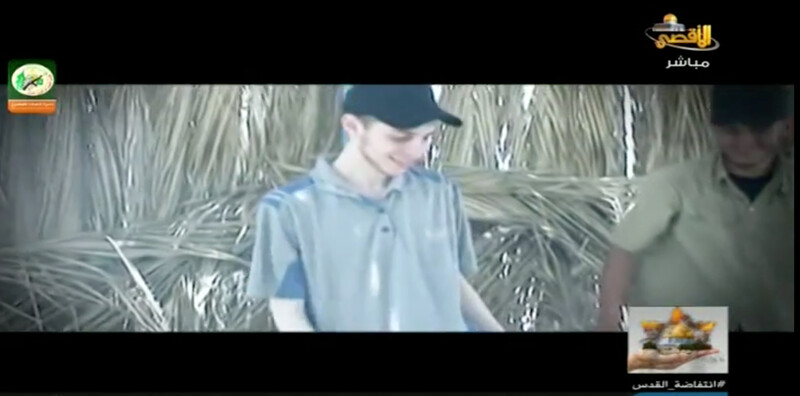
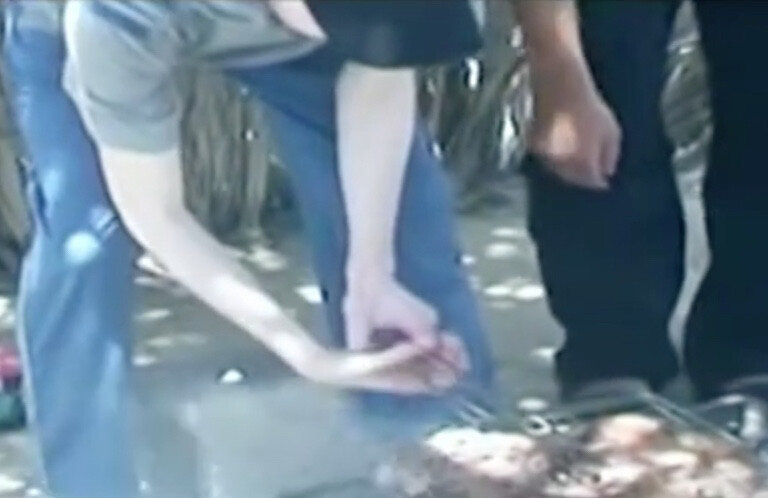
Shalit was shown smiley and friendly with his captors, even grilling chicken on the beach. He was guarded by an elite band of al-Qassam brigades, who Hamas dubbed a "shadow unit."

Among the unit's duties, according to the video, are "to guard enemy captives held by the al-Qassam Brigades, to hide them and to thwart enemy attempts to find them."

The video says that the unit "treats enemy captives honorably, in line with the rules of Islam, and provides for their needs, taking into account the treatment given to the prisoners of the resistance in the hands of the enemy."

Members of the unit "stay in the shadows, away from the light," according to the video, and they operate in complete secrecy.

Many of the group's supporters viewed the video as evidence of Hamas' humane treatment of prisoners, compared to Israel's documented human rights abuses.

In 2011 Hamas brokered a deal to exchange 1,027 Palestinian prisoners for Shalit, which many lauded as a success for the movement.

Many Palestinians speculated on the timing of the release of the recent videos.

Shalit smiling with one of his captors [twitter]
Palestinian analyst Adnan Abu Amer told The New Arab that these videos were "uncharacteristic" of Qassam in terms of their "transparency", whereas the organisation is renowned for its secrecy.

He said that the videos may be a form of "psychological warfare" on Israelis, attempting to pressure the government into a prisoner swap.

Hamas claims that they have the bodies of two Israeli soldiers in their possession. Additionally, they also claim to be holding two Israeli prisoners - one Ethiopian and one Bedouin with Israeli nationality.

Others analysts agreed, with Palestinian analyst Akram Atallah telling al-Watan newspaper that the leaks were to pressure Israel into entering into prisoner negotiations.

Abu Amer also said that these videos could be a way to directly reach the prisoners' families.

The families of the dead Israeli soldiers in collaboration with a group of Israeli businessmen informed Hamas that they would be willing to donate fuel to Gaza, during an electricity crisis, in exchange for the corpses of their sons.

The release of the video might also be a military propaganda move on the part of Hamas, as the movement has been suffering from a lack of popularity in Gaza as the siege worsens, and the Rafah crossing continues to be closed, in addition to the failure of unity negotiations.

A prominant source of the group's popularity - their reputation for resisting Israel - has also come under question by young Gazans who have not seen life improve following the devastating 2014 war, after which an uneasy truce has prevailed.

"There is a desire for the new Qassam to show their security and intelligence capabilities to indicate that we are...a regular army rather than a military apparatus and an armed group", Abu-Amer said.

Meanwhile, Palestinians took to social media using the Arabic-language hashtag "shadow-unit" to mock Israel's failure at finding Shalit, as the videos showed him visible in various parts of the Gaza strip.

During Shalit's captivity, Israel offered a large bounty to anyone who could give them any details concerning the whereabouts of the imprisoned soldier.

Ibrahim al-Madhoun told The New Arab that the most "important" message of the videos was the emphasis on Israel's intelligence failure and their inability to rescue Shalit.

The corpses of Israelis and Palestinians are frequently used as bargaining chips. In 2008, Israel released four prominent Hizballah prisoners in exchange for the bodies of two Israeli soldiers.

Monday, January 4, 2016

في العمق- إيران والسعودية.. إلى أين؟

ما وراء الخبر - مستقبل العلاقات العربية الإيرانية

الواقع العربي-غزة.. تطور المقاومة رغم الظروف الصعبة

DNA 04/01/2016 : خطاب حزب الله وإعدام الشيخ النمر


EXCELLENT!!

Executions in Saudi Arabia and Iran – the numbers

Only China carries out more executions a year than Iran, according to human rights groups

The Guardian

Link

The move prompted outrage in predominantly Shia Iran. The ensuing war of words and protests resulted in Saudi Arabia, Bahrain and Sudan cutting diplomatic ties with Tehran.
According to data collected by Amnesty International, at least 151 people were executed in Saudi Arabia between January and November 2015, while Human Rights Watch recorded 158in total during the year.
The figures mark the highest number of recorded executions in one year since 1995, when 192 people were killed. It also marks a 67% increase on the 90 in 2014. Saudi Arabia does not release its own figures on the number of people it executes.
Despite its protestations against the execution of Nimr, Iran is the only country in the Middle East and North Africa that carries out more executions than Saudi Arabia each year – globally, it is second only to China.
Iranian statistics reported 289 executions in 2014 (278 men and 11 women), but Amnesty International says reliable sources put the figure far higher. It claims that at least 743 executions were carried out in 2014.
It is worth noting, however, that Iran’s population of almost 80 million is more than twice that of Saudi Arabia. Of the executions publicly recognised by Iranian authorities, 122 (42%) were people convicted of drug offences.
Iran’s figures for 2015 are set to be even larger. Between January and mid-July last year Amnesty recorded 694 executions (compared with the official total of 246), with the majority being related to narcotics.
Similarly, nearly half of 2015 executions in Saudi Arabia were drug-related. However, the 47 executed in Saudi Arabia last Saturday were convicted of alleged terrorism-related offences.
According to Amnesty, the methods of execution used in Saudi Arabia in 2014 were beheading and via firing squad, while in Iran those sentenced to death are hanged. Some public executions are carried out in both countries.

Video shows captured Israeli soldier at Gaza barbecue

Ali Abunimah
Link
Israeli prisoner of war Gilad Shalit at a beach barbecue, in a still from a video released by Hamas’ Qassam Brigades.
A video released Sunday by the Qassam Brigades, the military wing of Hamas, includes new footage of Gilad Shalit, an Israeli prisoner of war who was held in Gaza for five years.
Shalit was released in October 2011 as part of a prisoner exchange Israel negotiated with Hamas.
Israeli media had reported years ago that Shalit beat his Hamas guards at rounds of the video game FIFA Soccer.
Gilad Shalit tends the grill, in a still from a video released by the Qassam Brigades, the military wing of Hamas.
But the new video shows scenes of the smiling Shalit grilling meat at a barbecue. It also shows him drinking tea with Hamas fighters and watching television.
In one clip, Shalit sits in a relatively spacious cell with an exercise bicycle and adjoining toilet as an attendant brings him a beverage.
The footage of Shalit is part of a 10-minute video highlighting the Qassam Brigades’ Shadow Unit, whose secret mission the video describes as “securing enemy prisoners who come into the hands of Qassam.”
It also says that the unit’s mission is to “treat enemy prisoners with dignity and respect, according to the principles of Islam, and to provide them with physical and moral sustenance, notwithstanding the enemy’s treatment of captured resistance fighters.”
The video calls the successful years-long effort to conceal Shalit’s location from Israel – he was captured in 2006 – “one of the most complex security operations” in the movement’s history.
The video names five members of the Shadow Unit who were involved in securing Shalit. It also provides their ages when they were each killed by Israeli action in recent years.
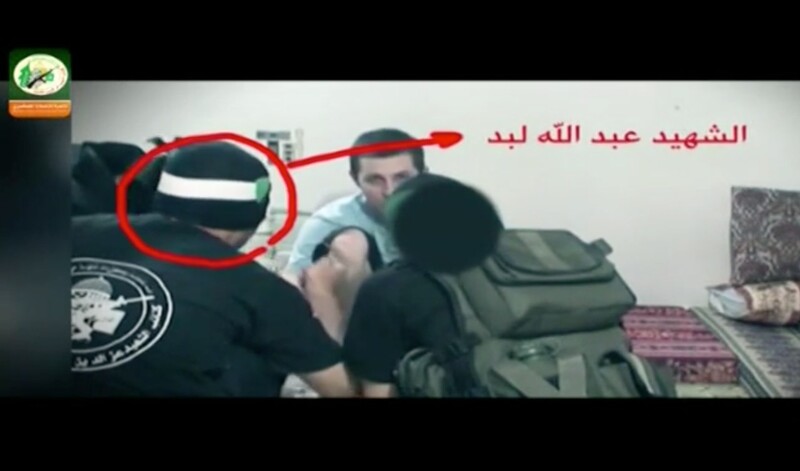
They include Sami Muhammad al-Hamayda, 42, and Abdallah Ali Lubbad, 45, killed in Israeli air attacks respectively in 2008 and 2011.
Khalid Muhammad Abu Bakra, 35, and Muhammad Rashid Daoud, 28, were both killed in a confrontation with Israeli soldiers east of Khan Younis in November 2013.
Abdulrahman Salih al-Mubashir, 29, died last month in the collapse of a tunnel dug by the resistance.
Gilad Shalit with two men identified as Hamas fighters Sami Muhammad al-Hamayda and Abdallah Ali Lubbad, in a still taken from a video released by Hamas’ Qassam Brigades.
The video shows still images of two men it identifies as al-Hamayda and Lubbad sitting with Shalit as he eats.

Low profile

Other than a few trips abroad soon after his release, Shalit has largely declined to take part in official Israeli propaganda.
Keeping a low profile may be Shalit’s own choice, but it may also be that he provides little propaganda value.
Aside from the fact of his long detention – which largely conformed to the Third Geneva Convention on the treatment of prisoners of war – Israel has presented no evidence he was not treated humanely, and Shalit himself has made no such claims.
Israeli prisoner of war Gilad Shalit in Gaza, seen in a video released by Hamas’ Qassam Brigades.
He has said he was frequently bored and made up games, wrote or played Scattergories to pass the time.
The Qassam Brigades video is clearly aimed at conveying a message that Shalit received humane and even favorable treatment.
In the past, the Qassam Brigades has released carefully produced videos aimed at projecting the armed group’s strength and capabilities and boosting local morale.
A video depicting its fighters operating behind enemy lines during Israel’s July-August 2014 assault on Gazawas widely circulated last summer.

Dead or alive?

The new video may be intended to reinforce a message to Israel that Hamas still has the capability of concealing prisoners far from its reach.
In July, Israel admitted that at least two of its citizens are currently detained in Gaza, at least one by Hamas.
One is Avera Mengistu, an Israeli of Ethiopian descent. Israel says he entered Gaza across a beach in September 2014, after the 26 August truce. But a senior Hamas leader has claimed the Israelis had already inquired about Mengistu’s whereabouts during the negotiations in Cairo that led up to the truce.
The other is reportedly an unnamed Palestinian citizen of Israel.
Hamas also reportedly holds the bodies of two Israeli soldiers, Hadar Goldin and Oron Shaul, who were part of Israel’s invasion force in the summer of 2014.
Israel says the two soldiers are dead, but Hamas has refused to confirm this.
Israeli forces implementing the so-called Hannibal Directive likely killed Goldin to prevent his capture near Rafah on 1 August 2014.
As part of the procedure, Israel launched a massive bombardment of civilian neighborhoods in the southern Gaza city intentionally killing hundreds of civilians.
Oron Shaul was part of a force that invaded Gaza City’s Shujaiya neighborhood on 20 July 2014.
Last month, Shaul’s mother told a press conference that “we, the family, have no solid or substantiated information about whether Oron is alive or not, wounded or dead, and we are in a state of uncertainty.”
Hamas has said it will not negotiate over the release of any Israelis or provide any information about the missing soldiers until Israel releases prisoners it freed in the Shalit deal and subsequently recaptured.


The message of the Shadow Unit video is that Hamas’ military wing can hold on to prisoners for as long as it takes and Israel will not be able to find them.

Current Al-Jazeera (Arabic) Online Poll


Do you see that the UN is doing its humanitarian duty in Syria and Yemen?

So far, 95% have voted no.

Sunday, January 3, 2016

On Russia's dictatorship-or-terrorism binarity in the Arab region

By Azmi Bishara

On Russia's dictatorship-or-terrorism binarity in the Arab region
Link

Dr. Azmi Bishara deconstructs Russia's discourse that reduces all conflicts and nuances in the Arab region to dictatorship versus terrorism, wherein dictators are sold as the lesser of two evils.
Russia's Foreign Minister, a man with a square-shaped logic and a square-shaped rhetoric, recently summed up Russia's "grand achievement" thus: That Moscow has finally convinced Washington that Arab dictators, both those who departed and those who are alive and killing, are better than Islamic terrorism.
Sergei Lavrov even mentioned the dictators by name.
The head of Russian diplomacy's oversimplified and reductionist explanation of his ideas, however, is due not only to a lacking vocabulary, but also to a severely lacking repertoire of ideas.
The Russian foreign minister reduced all conflicts and distinctions in the Arab region to leaders versus Islamic terrorism. In his flat world, neither tyrannical regimes nor peoples and political forces have any bearing.
And what seems to matter most of all to Putin's minister is that the US has now been convinced of this "binarity" of opposites, one of which seemingly superior to the other.

Dictatorship sans slogans
Russia's conviction of this is a given, having supported various kinds of dictatorships over the years.
In the past, people and movements were taken by erstwhile Soviet slogans used as ideological justification for totalitarianism.
That totalitarian regime collapsed, but dictatorship endured in Russia minus the delusions sold to peoples, masses and revolutions, in the form of an authoritarian one-man rule that have nothing but contempt for peoples, masses and revolutions.
Russia's binarity would have had little effect in the Arab region without US consent to the crude oversimplification

Yet Russia's binarity would have had little effect in the Arab region without US consent to the crude oversimplification.
Therefore, Russia had to wait until the US became convinced.

Or at least, Russia had to wait until the US adopted a neutral posture vis-a-vis Russia's intervention to implement this terrible equation, to restore Russia's international role by spilling Arab blood.
The Russians are now proceeding to bombard all forces that oppose dictatorship, but in the mentality of the Tsars this includes what is left of the cities and villages these forces are based in.

In the Russian binarity, all of this to the category of Islamic terrorism does belong.
The classification is not theoretical and the sorting is not surgical, but is carried out by bombers incinerating everything that is not part of the dictator's camp.
People to them are an object of dispute, things to be seized and controlled

One wonders, what do people mean to them? At best, people to them are an object of dispute, things to be seized and controlled.
In the process, victims fall, and they are called collateral damage - though they are collateral not in size but in value, since the magnitude of the damage in the case of Russian bombardment is huge and is utterly disproportionate to the intended target.
In a country like Russia, there isn't much sensitivity towards civilian casualties.

No refugees are admitted to Russia, no alternative media count civilian casualties, no human rights groups challenge the narrative and no real electoral process holds the criminals accountable.
In a much worse case, the civilians being bombarded are deemed outright to be a popular support base and "incubator" for "terrorists," and thus their deaths is far from regrettable.

Dictators to rein Arabs in
In the racist colonial mind, this is what Arabs and Easterners best deserve.
Thus the far right in the West allies itself to Arab dictatorships, because force to them is the only language Arabs understand, and because only dictators can keep the Arab hoardes in check.
There is no shortage of Arabs who echo this racist view either.
Meanwhile, Israel's regime is revered and an alliance with it is sought without reservations, including on the part of Russia in continuation of a long-standing tradition.
Indeed, the Soviet Union had backed Israel against the Arabs in 1948 as a promising "progressive" socialist force against British-backed Arab monarchies.

That is, until Israel chose the winning alliance with the West in the bipolar world that emerged during the Cold War. Only then did the Soviets switch to backing the Arabs against Britain and France first, then against the US.
But if the Arab world is divided between dictatorship and terrorism, what should the average Arab, whose interests, aspirations and even characters go beyond Lavrov's deadly binarity, do?
There is no place for Arab citizens in this equation

There is no place for Arab citizens in this equation.

They are required to disappear from the picture, and wait for the dust of the bombardment to settle, or surrender to this binarity: Either go the way of savagery to avenge the crime, or accept the rule of the dictator, complete with his corruption, tyranny and violation of people's lives and dignities.
A third option
The extremist forces have ruined the aspirations of the people that had risen up against tyranny. The extremists resemble dictators in submitting everything to one goal, beyond good and evil, which allows them to commit the worst of crimes as they are not subject to moral judgment.
The extremist forces have hurt ordinary people in other ways, including at the level of public opinion, by facilitating the endorsement of the binarity of dictatorship versus terrorism.

As a result, it became easy for powers like Russia to win over the world's silent consent to doing its dirty work, an ideal job for a state whose main exports are oil and arms.
It will not be possible to overcome this deadly binarity without renouncing extremist forces. However, accepting dictatorship as the alternative would be a victory for this binarity.
The vast majority of Arabs aspire to have a just and pluralistic system of government

The vast majority of Arabs aspire to have a just and pluralistic system of government.
But the problem of the Arab opposition elites is that as they compete with one another, they forget this basic truth, which is the antithesis of such devastating binarities.
Respecting the aspirations and sacrifices of the Arab peoples for freedom and dignity is thus a duty and obligation for political, cultural and military elites that represent the majority in the fight against tyranny, with its two faces of dictatorship and terrorism.
Only this will truly expose the delusion of choice in the Russian-peddled binarity.


Azmi Bishara is a Palestinian intellectual, academic and writer.


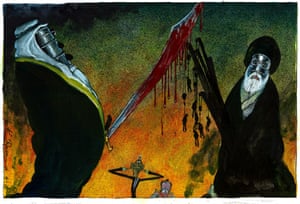
Martin Rowson's Cartoon: Iran’s Ayatollah Ali Khamenei has called for the west to condemn the execution of a prominent Shia cleric in Saudi Arabia

Martin Rowson cartoon for Monday 4th January 2016

تهديد غير مسبوق من "حزب الله" للسعودية "انتقاماً" للنمر

THE CHIEF IRANIAN STOOGE BARKS THE IRANIAN TUNE!
تهديد غير مسبوق من "حزب الله" للسعودية "انتقاماً" للنمر
Link


ظهر الأمين العام لـ"حزب الله"، حسن نصر الله، اليوم الأحد، وكأنه يردّد حرفياً الموقف الإيراني من تنفيذ السعودية حكم الإعدام بحق الشيخ السعودي، نمر النمر.

حتى في الشكل، ظهرت الصورة والشعار، اللذان وضعهما المرشد الإيراني الأعلى علي خامنئي، نفساهما خلف نصر الله مع صورة وجه النمر وشعار "الصحوة لا تُقمَع".

30ipj

ومثلما شنّت طهران حملة تهديدات كبيرة للرياض على خلفية الإعدام، فقد أطلق نصر الله تهديداً غير مسبوق ضد حكام المملكة، داعياً إياهم إلى "الاختباء" مما زعم أنه سيكون "الردّ الآتي ولو تأخر".

كلمة نصر الله، التي كانت مقررة مُسبقاً لتأبين عضو المجلس المركزي في الحزب، الشيخ محمد خاتون، تحولت بشكل كامل لشتم حكام المملكة وتهديدهم، في انعكاس مباشر للموقف الإيراني الرسمي.

ووصف نصر الله في خطابه الحاد إعدام النمر بـ"الحادثة المهولة والضخمة والصادمة التي استخف بها آل سعود، فالإقدام على إعدام عالم دين إصلاحي كالشهيد النمر لا يمكن أن يمر على الإطلاق".

اقرأ أيضاً: تضامن خليجي ضد اقتحام السفارة السعودية في إيران

واعتبر نصر الله أن "عقلية الانتقام تسيطر على أداء آل سعود وليس العقل السياسي الحكيم وهو ما ترجمه قرار الإعدام وقبله قرار تدمير اليمن منذ عشرة أشهر"، بحسب نصر الله.
وإعتبر الأمين العام لـ"حزب الله" أن الإعدام وجّه رسائل واضحة لكل العقلاء والوسطيين "الذين تأملوا بإمكانية فتح حوار بين السعودية وإيران".

وسبقت كلمة نصر الله وقفتان نظمهما عدد قليل من الأشخاص أمام المقر الجديد للسفارة السعودية في العاصمة بيروت، وأخرى أمام مقر "لجنة الأمم المتحدة الاقتصادية والاجتماعية لغرب آسيا" (الأسكوا)، في بيروت. رددوا خلالها الهتافات المناهضة للسعودية.

إلى ذلك، أعربت الأمانة العامة لقوى 14 آذار عن قلقها من "الأحداث التي تدور من حولنا وتأخذ بالمنطقة إلى مزيد من التشنج والتباعد والاصطدامات الطائفية والمذهبية والسياسية".

ودعت الأمانة في بيان أصدرته الأحد، إلى "عدم تحويل لبنان إلى خاصرة رخوة ومكان لتصفية حسابات الأحداث الكبيرة والخطيرة".

مقاومة الجواسيس

A VERY GOOD PIECE!
مقاومة الجواسيس

ميشيل كيلو

Link

لا بد لأي متابع لتاريخ سورية ولبنان المعاصر من الاعتراف بأن بين كل جاسوسين إسرائيليين كبيرين داخل حزب الله والمخابرات السورية جاسوس ثالث أكبر منهما. ولا يظلم الحزب والنظام الأسدي من يقول إن معظم جواسيس إسرائيل ينتمون إلى جهازهما الأمني، المكلف بمكافحة جواسيس إسرائيل وحفظ أمن قادة الحزب والنظام الطائفيين. 

لولا الجواسيس الذين يعج حزب ونظام الممانعة والتحرير بهم، لما أمكن قتل عماد مغنية، رجل أمن الحزب الذي لم تعل سلطة فيه على سلطته. ولولا الاختراقات، لما عمل مسؤول الأمن الخارجي في الحزب جاسوساً لإسرائيل، واعتقد كثيرون أنه أعلمها بأمكنة اختباء حسن نصر الله التي لم يخرج منها بعد "نصره الإلهي" عام 2006. ولولا اختراقات عميقة ترصد بدقة، ولحظة بلحظة، حركات كبار قادة الحزب وسكناتهم، لما أمكن رصد سمير القنطار ومتابعته وقتله، وهو الذي توهم أنه آمن في دمشق، ونسي أن عماد مغنية قُتل على بعد أمتار من مكتب العماد آصف شوكت، رئيس المخابرات العسكرية السورية، وفقد رأسه بعبوة زُرعت في مسند رأس مقعده الخلفي، ولو كانت زُرعت حين كان عند أصدقائه في الزبداني، لقتل على الطريق إلى مقر المخابرات العسكرية، وليس داخل حرمها. 


ونسي القنطار أن الجاسوس إيلي كوهين كان رفيق سكن حافظ الأسد سبعة أشهر، وأن الأخير زار لندن عام 1963، واختفى من الوفد الرسمي الذي زارها، ثم تبين أنه التحق ببيت ريفي تملكه وزارة المستعمرات البريطانية، أمضى أياماً ثلاثة فيه، بقي ما تم خلالها سرياً، مع أن الأسد كان مجرد رائد في الجيش، وأن هذه الواقعة المعروفة جعلت جورج صدقني، أحد قادة حزب البعث التاريخيين، يقول، بعد انقلاب الأسد عام 1970، إن عميل المخابرات البريطانية استولى على السلطة. [The disappearance of Hafez Assad from the delegation that was in London is a fact I was told by a member of that delegation. It turned out that Assad was being hosted by the British Intelligence!]

كان القنطار يخال نفسه آمناً، ونسي، أو تناسى، مقتل أحد كبار قادة حركة حماس في مخيم اليرموك بطريقةٍ تماثل التي قتل هو نفسه بها، كما أنه جهل، أو تجاهل، أن حملة اعتقالات طاولت ثمانيةً من 11 ضابطاً في قسم مكافحة التجسس في المخابرات العسكرية السورية، اتهموا بالعمالة للمخابرات الإسرائيلية. صدّق القنطار ما سمعته أذناه من أكاذيب عن الممانعة والمقاومة، وكذّب ما تراه عيناه من صداقة مع "العدو"، فقتل في دمشق، المخترقة من رأسها إلى أخمص قدميها، بوشاية من مرافقيه، أو من ضابط مخابرات سوري، أو جاسوس في حزب الله، وانتهى بالأسلوب الذي سبقه إليه كثيرون، تحت أنقاض بنايةٍ، وتسبب في موت سكان أبرياء فيها، فسقط ضحية غباءٍ منعه من رؤية الحقيقة، وهي أن رهطاً من الممانعين والمقاومين المزعومين اعتادوا بيع أنفسهم "للعدو"، وتغطية عمالتهم له بجعجعةٍ كلاميةٍ عن تصميمهم على طرده من مزارع شبعا وتلال كفار شوبا والقرى السبع، بينما يمارس من أسماهم نصر الله "أشرف وأطهر الناس" عمليات تجسس، يتساقط ضحاياها قتلى يوماً بعد يوم.


كنا نتساءل دوماً إن كان الحزب الذي يمثل نصف طائفة يستطيع تحريرنا من الاحتلال، والتصدّي الناجع لأعداء أمةٍ، يشارك بفاعلية في قهرها وإخراجها من المعركة ضدهم. واليوم، نتساءل إن كان حزب يعج بالجواسيس يستطيع غزو سورية، من دون غض نظر (أو موافقة) جهات توهم القنطار أنه يحاربها، بينما كان في قبضتها، وأنه يقاتلها، مع أنها كانت قادرة على قتله في أي وقت، بمساعدة جواسيسها المقاومين/ الممانعين من أعضاء حزب الله والنظام الأسدي الذين يلازمونه في حله وترحاله، ولم يتردّدوا في تحضيره للقتل، وقتلوه في غمضة عين، حين جاء موعد رحيله.


هل يصدّق أي عاقل أن قوات الاحتلال الروسي في سورية لم تكشف، بما لديها من أجهزة فائقة التقدم، وجهة طيران إسرائيل وهدفه، وأن رادارات صواريخها التي تغطي معظم المجال الجوي لفلسطين المحتلة وسورية لم تلتقطه، وهو يقصف جرمانا؟ ولماذا لم تتخذ روسيا أي قرار حيال تعاونها الاستراتيجي مع الأركان العامة الإسرائيلية، إن كانت ضد مقتل القنطار؟ وهل خدم قتله إيران وحزب الله، أم كان خطوة على طريق إضعافهما وإحكام قبضة روسيا على النظام ومؤسساته، وسط مؤشراتٍ كثيرةٍ تؤكد أن موسكو تدير ظهرها أكثر فأكثر للشراكة مع طهران، في كل ما يتعلق بإدارة الأوضاع السورية، وتقرير أدوار المنخرطين فيها؟ 

السعودية وإيران: الإعدام في زمن النفاق والطائفية/ نمر سلطاني


Link


توالت ردود الفعل على إعدام السعودية للشيخ والمعارض نمر باقر النمر. وجاءت الإدانة الأشد من طرفي إيران وحزب الله. وتوعدت إيران السعودية بعواقب وخيمة لفعلتها، في حين استفاض بيان حزب الله بالحديث عن الحقوق المهدورة التي رفع لوائها الشيخ القتيل وعن زيف الحديث عن حقوق الإنسان في مملكة القمع. 

ومما يثير الدهشة في المشهد أمران. أولهما أن الاعتراض هو على إعدام معارض شيعي لا على الإعدام نفسه. فالسعودية أعدمت ما يزيد عن 150 شخصا في العام المنصرم، ولكن إيران أعدمت ما يزيد عن الألف. لذا فإيران لا تعارض عقوبة الإعدام بشكل مبدئي. وعلينا في مثل هذا النقاش أن نذكر بما اختفى عن المشهد: عقوبة الإعدام هي عقوبة متخلفة وغير إنسانية سيان إن مارستها السعودية أو إيران أو الولايات المتحدة. لقد توصل الكثير من دول العالم إلى هذه النتيجة منذ زمن بعيد. وآن بهذه الدول أن تلحق بركب القيم المتنورة. 

وكانت السعودية قد استنكرت المقارنة بين إعدامها العلني بقطع الرأس وبين ممارسات تنظيم داعش بالقول إنها تملك جهازا قضائيا يقوم بمراجعة هذه القرارات وإقرارها، في حين أن ممارسات داعش هي خارج القانون. لكن هذا الرد مردود لأن منظمات حقوق الإنسان انتقدت طويلا الجهاز القضائي. فهو لا يحفظ أدنى حقوق المتهمين والمعتقلين مثل حقهم بالتمثيل القانوني ومنع تعذيبهم وعدم أخذ الاعترافات بالقوة. والأنكى من ذلك أن السعودية نظرا لرفضها قوننة الشريعة التي يعتمدها القضاة مرجعهم فإنه لا وجود لقانون جنائي واضح العقوبات وجليّ الجنايات. فبعد ضغط ونقد طويل لم تسنّ المملكة إلا تشريعات إجرائية في القانون المدني والجنائي لا غير. لذا لا تستطيع المملكة السعودية أن تعتدّ بالجهاز القضائي لأنه لا يتماشى مع أدنى المعايير القانونية المتبعة من معرفة القانون المسبقة وتجنب التهم الفضفاضة والحرص على سلامة الإجراءات. 

أما ثاني دواعي الدهشة فهو النفاق في النقاش من كافة الأطراف. فالسعودية أعدمت الشيخ النمر لأنه، من جملة الأسباب، 'أثار الفتنة الطائفية'. وهذا سبب مثير للضحك المبكي أو البكاء الضاحك. ذلك أن السعودية وبلا ريب كانت في العقد الأخير من أشدّ المروجين للطائفية. وقد استشاطت في الدوافع والخطاب الطائفي الى خانة التحالف مع إسرائيل ضد خصومها من الشيعة. وفي ذلك شبه إضافي مع داعش التي تعطي الأولوية لقتال الشيعة.

وإذا كان يحق لإيران وحزب الله، ودون أدنى شك، انتقاد هدر حقوق الشيعة في البحرين والسعودية واليمن على مدى العقود، فإن هذا النقد لا يستقيم مع ممارساتهم في سوريا بشكل خاص. ففي سوريا أيضا شعب هدر حقوقه نظام ظالم على مدى عقود وعندما طالب بحقوقه وحريته تكالبت عليه الأطراف جميعا لتحوّل معركته إلى حرب طائفية قذرة. وفي السياق  نفسه انتقد بيان حزب الله السعودية لأنها، كما يقول البيان، خلطت حق الشيخ النمر بباطل الإرهاب. والإشكال في ذلك بطبيعة الحال هو أن حليف حزب الله نظام الأسد قد قام بنفس التكتيك. ففي عام 2011، كما فصّلت صحيفة الغارديان البريطانية مؤخرًا على سبيل المثال، قام النظام السوري بنقل السجناء الإسلاميين المتشددين من السجون المختلفة إلى سجن حلب المركزي وهناك حسّن ظروف اعتقالهم وخلطهم بسجناء الرأي الذين اعتقلهم منذ بداية المطالبة بالإصلاح والهبة الشعبية لكي يقوم المتشددون بالتأثير على المعتقلين الجدد. ثمّ أطلق سراح المتشددين لكي ينضموا إلى معارضيه. وقام الأمن اللبناني بالأمر نفسه عندما أطلقوا سراح أكر من 90 جهاديا ومنهم من المعتقلين على خلفية الحركة الجهادية في نهر البارد والتي أدت إلى قتل 190 جنديا لبنانيا. ولذا ادعى العديد من المعارضين أن النظام السوري هدف إلى شق المعارضة وإلى تسهيل تصويرها بأنها معركة على الإرهاب.
         
لسنا من السذاجة لنتوقع أن الأخلاق والحقوق، لا الإعتبارات الجيو-إستراتيجية والمصالح والقوة، هي التي تحدد نهج الدول والنظم الحاكمة. ولسنا ممن يرى أن هذا النهج محصور على الدول العربية. ولكنا نسوق هذه الأمثلة للتذكير بتناقضات الخطاب وزيفه في أتون المعارك. فمن الواضح أن الخطاب الأخلاقي أو الحقوقي هو مجرد ممارسات خطابية وتبريرية توظّفها الأنظمة والأحزاب العربية دون أن يرفّ لها جفن متى ما رأت في ذلك منفعة. المشكلة التي تنبع من هذا الاستغلال للخطاب الحقوقي والأخلاقي أنه من ناحية يصبح هذا الخطاب مجرد تبرير للذات وتفنيد للخصم للتفرقة بين نحن الأخيار وهم الأشرار. وهذا التبرير أيديولوجي لأنه يشوّه حقيقة الواقع ويبسّطها، ويصالح الناس مع واقعهم المرّ، أو مع مشاركتهم أو مساندتهم لجرائم.

ومن ناحية ثانية، ينتج نظرة كلبية ('سينيكال') ساخرة إلى الأخلاق وحقوق الإنسان على أنها مجرد حرب دعائية (بروباغاندا) للتغطية على المصالح وصراع القوى أو على أنها مجرد سلاح آخر يتمّ استغلاله حين يفيد وهجره حين يضرّ أو يقّيد. وعواقب ذلك وخيمة لأن خطاب الحقوق وقوانين الحرب وما إلى ذلك، وهي الفرق ما بين شريعة الغاب وشريعة الإنسان، تفقد معناها ودورها تماما. ولأن من يمارس مثل هذا الزيف والتناقضات لا يملك الحق الأخلاقي أن ينتقد فيما بعد الآخرين، إن كان ذلك إسرائيل أو أميركا. ولا شك أننا لا نستطيع التخلي عن خطاب الحقوق. أولا لأن الحقوق مصلحة إنسانية وقد تكبدت البشرية الكثير من المعاناة والعناء حتى وصلت إلى هذه النتيجة. فللجميع مصلحة أن تكون هناك قواعد دنيا للتعامل حتى في الحرب (من عدم إعدام الأسرى وعدم التعذيب وعدم استعمال الأسلحة المحرمة دوليا). وثانيا، لأنه بالرغم من فشل وانهزام خطاب الأخلاق والحقوق من مرة إلى أخرى أمام حقائق القوة والمصالح، إلا أنه يبقى درعا يصد من حين إلى حين حقائق القوة أو يجبرها على تشذيب أظافرها. ورغم أننا نعي تماما الفارق بين الموجود والمنشود وعلينا أن نكون واقعيين زهاء محدودية خطاب الحقوق في تمكين الضعفاء والمضطهدين، إلا أننا لا نستطيع إغلاق الهوة بين الموجود والمنشود بالقبول بالموجود كالخيار الوحيد المتاح. لأن ذلك لا يعني إلا إعادة إنتاج الموجود دون التقدم قيد أنملة تجاه المنشود وتحويل الموجود، فعلا لا إمكانا فحسب، إلى الخيار الوحيد المتاح.   

أخشى ما أخشاه أن الثورات العربية التي بدأت بالثورة على الظلم وبشعارات العدالة والحرية والمطالبة بحقوق الإنسان والديموقراطية، والتي قال البعض إنها أنتجت إنسانا عربيا جديدا نفض عن أكتافه رداء الخوف والذلّ والاستكانة، قد وصلت إلى حالة قد تدفع بالكثير من أبناء هذا الجيل إلى نظرة كلبية تجاه الحقوق والديموقراطية والأخلاق فنكتب على أنفسنا شريعة الغاب. ومأساة ذلك أن قبولنا بهذه النظرة الكلبية لا يعدو كونه تخلينا عن كوننا بشر.
(* محاضر في كلية الدراسات الشرقية والأفريقية -ساواس-  في جامعة لندن)