
Thursday, November 6, 2014
"العربي الجديد" الإنجليزي... الرواية العربية باللغة الإنجليزية
انطلق ليلة أمس في العاصمة البريطانية لندن موقع "العربي الجديد" الإنجليزي، بنسخته التجريبية في أول خطوة لدخول "العربي الجديد" عالم الإعلام الناطق بالإنجليزية.
يهدف الموقع الجديد إلى وضع الرواية العربية لأحداث المنطقة بصورة مستقلة، في وقت تسيطر الرواية التي تتفق مع مصالح الرؤية الغربية الرسمية للقضية العربية وفي مقدمتها القضية الفلسطينية.
ويضم الموقع الإنجليزي مواد مترجمة من "العربي الجديد"، بنسختيه الإلكترونية والورقية، إلى جانب مقالات خاصة بالموقع الإنجليزي.
ويكمل الموقع الجديد رسالة "العربي الجديد" في تأكيد روح الثورات العربية، ومطالب الشعوب المحقة، التي لخصها شعار "خبز، حرية وعدالة اجتماعية". ولذلك سينشر تغطية إخبارية دقيقة، وتحقيقات ميدانية تتوخى المهنية والموضوعية، وتحليلات وآراء تضع وجهات النظر العربية، في حيز تأثير أوسع، نظراً لاتساع قاعدة القراء باللغة الإنجليزية.
وتضمّن الموقع ترجمة لمقالة الدكتور عزمي بشارة عند إطلاق "العربي الجديد" بعنوان "من أنتم؟... نحن".
أما رئيسة تحرير الموقع الإنجليزي، لميس أندوني فقد كتبت في افتتاحية الموقع أن "العربي الجديد الذي ثار ضد الأنظمة لم يختف، بالرغم من سقوط الكثيرين في سبيل مستقبل أفضل، والزج بالآلاف في غياهب زنازين السجون العربية".
وأضافت: "نحن لا ندعي تمثيل العربي الجديد ولا يحق لنا ذلك، لكننا نسعى إلى خلق مساحة تبقي صوت العربي الجديد، عالياً فوق ضجيج العنف المتطرف والبطش الرسمي". واختتمت: "إننا نريد تذكير الشرق والغرب معاً، بأن خيار العرب لم يمت، بل هو الخيار الحقيقي، وليس على المواطن العربي الاختيار بين القمع الرسمي وخطر التطرف أو بينهما وعودة الاستعمار".


الفلسطينيون يبايعون تنظيم... "داعس"
ولّدت عمليات الدهس الأخيرة التي نفذها فلسطينيون بحق المستوطنين الإسرائيليين في الضفة الغربية والقدس المحتلة، حراكاً على مواقع التواصل الاجتماعي، يشيد بعمليات الدهس، ويعتبرها أسلوباً جديداً لردع الاحتلال، في ظل هجماته المتكررة بحق المسجد الأقصى. في حين خصص النشطاء الشباب، وسم "داعس" للحديث عن العمليات البطولية، والمطالبة بالمزيد.
وتعني "داعس"، قيام أحد الفلسطينيين بعملية بطولية بواسطة قيادة مركبة بسرعة هائلة يقتحم بها جموع المستوطنين الإسرائيليين، فيرديهم بين قتيل وجريح. هكذا يعرّف الشاب عز الدين صيام على صفحته على "الفيسبوك"، الكلمة التي يعتبرها تنظيماً فلسطينياً جديداً يتخذ من "الفيسبوك" موقعاً له.
وفور انتشار خبر استشهاد الشاب إبراهيم العكاري، بعد تنفيذه عملية دهس في مدينة القدس المحتلة، والتي أودت بحياة ضابط شرطة إسرائيلي وإصابة 14 آخرين، بينهم عدة حالات خطيرة، اشتعلت مواقع التواصل الاجتماعي بالتعليقات التي تمجد الشهيد وعمليته، فقال الشاب أحمد لبد "صدقًا.. الموضوع خرَج مِن يد شعب فلسطين، فالآن صار (أصبح) برجله".
ويبين الشاب محمد عمر أن ما يميز العضوية في تنظيم "داعس" أن الشخص يصبح زعيما فور تنفيذه للعملية. ولا توجد شروط للانضمام؛ غير القدرة على قيادة المركبة. ويرحب التنظيم بجميع الفئات العمرية والتوجهات الحزبية. وهدف التنظيم هو دعس كل إسرائيلي متطرف يعتدي على المقدسات ويستهين بالفلسطينيين.
ونشر المغرّدون أسماء الشهداء الذين نفذوا عمليات فدائية في الأيام الماضية، وبطاقات تعريفية عن حياتهم، بجانب صور الكاريكاتير، وتدوين بعض مقاطع الأناشيد الوطنية بما يتناسب مع عمليات الدهس، فقال صهيب معروف "إذا ما دعسنا عالبارود.. بندعس عالبنزين، فللها بعشرين.. واقتل خمسين.. وأعلنها انتفاضة شعبية"، ثم قال "إذا بتشوف الباص داعس، اعرف إنه فيه فلسطيني في المنطقة".
وترى الشابة خلود نصار أن عمليات الدهس التي ينفذها الفلسطينيون حق طبيعى، للرد على جرائم الاحتلال بحق المسجد الأقصى، وعلى دهس مستوطن للطفلة إيناس شوكت ذات الـ5 أعوام أثناء عودتها من الروضة إلى منزلها في قرية سنجل شمال مدينة رام الله. ودونت على صفحتها "الدعس بالدعسة.. والبادي أظلم، ودماء الطفلة إيناس ما زالت تنبض في أهل القدس". في حين اعتبر الشاب أحمد المسحال أن عمليات الدهس رسالة للمحتل بأن: اخرج من أرضنا، وسنواصل مقاومتنا بكل الوسائل من صغيرها إلى كبيرها، من الحجر إلى السيارة الداهسة والمفخخة، وشجع منفذي العمليات، فكتب "أيها المقدسي المقدام.. ادهس فداك أبي وأمي"، ثم ختم بوسم #داعس.
أما علي فكتب: "داعش في سورية والعراق، وداعس في فلسطين، كم أن الفرق كبير بينهما... تحية إلى الداعسين الذين يرفعون رؤوسنا في فلسطين المحتلة". فيما كتبت حنان: "احنا كنا مفكرين الحل بإيدينا.. طلع برجلينا #داعس". أما ياسر علي فكتب: "أنا أبايع تنظيم #داعس لأن #الأقصى_لنا". من جهته غرّد إبراهيم كاتباً: "ما أخذ بالقوة لا يسترد إلا بالسرعة".
وتناقل الناشطون مقاطع فيديو لعمليتي الدهس في الأراضي المحتلة، وصمموا عدداً كبيراً من الصور والملصقات المتضامنة مع الحملة. كما أنشئت صفحة خاصة على "فيسبوك" بعنوان "داعس"، حازت أكثر من 7000 معجب في أقل من 24 ساعة.
Egypt’s defence of human rights record ‘cynical’

Egypt’s defence of its human rights record lay in tatters today, Amnesty International said following the country’s Universal Periodic Review (UPR) examination today.
The Egyptian delegation in Geneva rejected criticism from UN member states despite damning evidence of human rights violations collected by Amnesty International and others.
“As expected, we saw a lot of posturing today from Egypt. The picture of the country the delegation provided was unrecognizable,” said Hassiba Hadj Sahraoui, Deputy Director for the Middle East and North Africa Programme.
“At best, they are completely disconnected from the scale of the human rights crisis engulfing the country. It was a pathetic attempt at a cover up.”
Leading Egyptian human rights organizations had earlier announced they were withdrawing from the UPR process altogether for fear of reprisals by the authorities.
Many fear a sweeping crackdown will begin in five days’ time, when a government deadline for NGOs to register under the current Mubarak-era repressive Law on Associations expires.
The authorities have set a deadline for NGOs to register with the government for five days after the UPR examination.
The deadline, and continued restrictions on NGOs, have sent a strong message to independent human rights organizations that the Egyptian government will not tolerate any dissent and there is no space for criticism in the international or national arena.
“The Egyptian authorities must heed the calls made today at the UN - particularly in regards to upholding freedom of association and respecting the work of human rights defenders,” said Hassiba Hadj Sahraoui.
“Today’s performance by the Egyptian authorities seemed particularly callous given that the life of independent Egyptian NGOs hangs in the balance.”
The Egyptian delegation in Geneva was headed by the minister of transitional justice and parliamentary affairs and included representatives of the Ministry of Foreign Affairs, the Ministry of Social Solidarity, the Interior Ministry and the Public Prosecution.
“The next few days will be critical. Egypt will need to answer questions and provide guarantees that independent civil society organizations can operate in the country free from interference and hindrance,” said Hassiba Hadj Sahraoui.
“As the clock is ticking for NGOs, who played a vital role championing human rights and the rule of law, members of the Human Rights Council cannot let Egypt get away with wiping out its civil society.”
How Egypt responded to UPR recommendations and how it compares with Amnesty International’s research
The following recommendations summarize those made by states during the UPR examination.
UPR recommendation: Stop torture and other ill-treatment in places of detention
o Egyptian delegation: The law criminalizes torture as a crime without a statute of limitations, and the Interior Ministry has produced new “standards” for prisons to facilitate complaints. There have only been a few cases of torture, carried out by a small number of individuals.
o According to Amnesty International’s research, torture and other ill-treatment is rife in police stations and other unofficial places of detention such as National Security offices. Detainees have reported horrific treatment at the hands of the security forces, including beatings, electric shocks and being handcuffed and suspended on open doors in stress positions.
UPR recommendation: End and investigate the use of excessive force against protesters
o Egyptian delegation: The law restricts the use of force by security forces in line with international standards to “self defence”.
o Amnesty International has consistently documented the use of excessive force by the security forces against protesters, including the use of unnecessary lethal force. Since 3 July 2013, more than 1,400 people have died in protests and political violence – most at the hands of the security forces. The mass killings at Rabaa al-Adawiya on 14 August 2013 have not yet been independently and impartially investigated. The Protest Law (107 of 2013) allows the security forces to use firearms against peaceful protestors.
UPR recommendation: Uphold the right to fair trial and due process
o Egyptian delegation: The judiciary is independent and all trials meet international standards.
o According to Amnesty International’s research, the judiciary’s independence and impartiality has been called into question by a pattern of selective justice. Judicial authorities have ordered the detention or indictment of thousands of members of the political opposition, while ignoring gross human rights violations by the authorities. Amnesty International has also documented flagrant violations of the right to due process, with detainees held without adequate access to a lawyer, or the ability to challenge the lawfulness of their detention, or participate effectively in their defence. The organization has also documented grossly unfair trials.
UPR recommendation: Uphold freedom of expression and released detained journalists
o Egyptian delegation: The law guarantees freedom of expression. Freedom of expression has lately witnessed a “wide leap”.
o Amnesty International has documented a number of cases where individuals have been detained solely for exercising their right to freedom of expression, most notably the case of Al Jazeera media workers Mohamed Fahmy, Peter Greste and Baher Mohamed and the case of Mahmoud Abu Zaid who is detained over a year without charge.
UPR recommendation: Review the repressive ‘NGO law’
o Egyptian delegation: The 10 November deadline for NGOs to register under the Law on Associations followed “consultation” with civil society. Freedom of association is guaranteed by the constitution.
o Amnesty International’s research shows that NGOs are subject to crushing restrictions in Egypt, and Egyptian human rights organizations have been given an ultimatum of surrendering their independence to the authorities to face closure and criminal prosecution.
UPR recommendation: Revise or repeal the Protest Law
o Egyptian delegation: The Protest Law regulates the right to freedom of peaceful assembly. The government is reviewing the law. Freedom of assembly is guaranteed by the constitution.
o Amnesty International’s research has shown the authorities do not tolerate the exercise of the right to freedom of peaceful assembly. The Protest Law subjects protesters to arbitrary restrictions, and gives the authorities sweeping powers to prohibit or disperse demonstrations. Security forces have used provisions under the Protest Law to justify the excessive use of force to break up protests, and arrest demonstrators.
UPR recommendation: End the use of the death penalty
o Egyptian delegation: Death penalty is part of the criminal justice system and there is no international consensus on ending its use.
o Amnesty International’s research has shown that the death penalty is now being used against alleged members of the Muslim Brotherhood and their supporters, in what is an apparent purge of the political opposition.
UPR recommendation: Eliminate discrimination against women and investigate attacks on women protesters
o Egyptian delegation: Says the government is making efforts but blames the rule of the Muslim Brotherhood for the “unsatisfactory” situation. Criticized the international community for their lack of engagement under Mohamed Morsi’s administration.
o Amnesty International’s research has shown that women have faced decades of systematic discrimination in law and practice, as well as epidemic-levels of sexual violence.
UN member states largely failed to address economic, social and cultural rights, and discrimination against religious communities.
Political Prophecies: Sealing the Fate of al-Aqsa
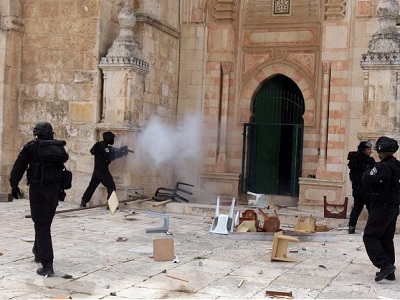
Israeli police fire at worshippers inside al-Aqsa Mosque. (EPA/Mahfouz Abu Turk/file)
By Ramzy Baroud
Israel’s decision to shut down al-Aqsa Mosque on Thursday, 30 October, is not just a gross violation of the religious rights of Palestinian Muslims.
In fact, the rights of Palestinian Muslims and Christians have been routinely violated under the Israeli occupation for decades, especially in Jerusalem, and more recently in Gaza. During the 51-day war on the Gaza Strip, a reported 73 mosques were destroyed, while 205 were partially destroyed, according to a Palestinian government report.
The Noble Sanctuary located in Jerusalem’s Old City, is known as Haram al-Sharif in Arabic and is home to the al-Aqsa Mosque and the Dome of the Rock. It serves as much more than a religious role in Palestinian society because it is a unifying national force and symbol as well. Thus, unsurprisingly, it has been a target of numerous Israeli raids, including attempts to burn it down, or conduct excavations under it to seek the fulfilment of biblical prophecy.
In response, “Defending al-Aqsa” has been an unswerving rallying cry for Palestinians throughout the years. Several Palestinian uprisings were unleashed as a reaction to Israeli political or military plans to alter the status quo over the mosque. The Al-Aqsa Intifada in 2000 was one such uprising. It lasted for nearly five years, during which thousands of Palestinians and hundreds of Israelis were killed in clashes that were provoked by late Israeli leader, Ariel Sharon.
That context should be remembered if the current coverage of the very worrying situation in and around Jerusalem is to be meaningful in any way. The war on the mosque, which is central to the spirituality of hundreds of millions of Muslims around the world, is not simply the work of a few Jewish extremists. It is part and parcel of an Israeli government agenda which has been crystalizing in recent years and months. Next month, for example, the Israeli Knesset will vote on a motion calling for the partitioning of al-Aqsa.
One of the leading advocates of that partition, at least in terms of a first step towards a complete takeover, is the Temple Mount Faithful organisation, headed by Yehuda Glick.
Founded by Gershon Salomon, Temple Mount Faithful Movement, according to its website, is dedicated to the “the vision of consecrating the Temple Mount to the Name of G‑d, to removing the Muslim shrines placed there as a symbol of Muslim conquest, to the rebuilding of the Third Temple on the Temple Mount, and the godly redemption of the People and the Land of Israel.”
This messianic vision is not entirely alien to the discourse of Benjamin Netanyahu’s government. His logic in defence of illegal settlements in occupied Jerusalem is such: “The French build in Paris, the English build in London and the Israelis build in Jerusalem. To come and tell Jews not to live in Jerusalem – why?”
Indeed, there seems to be little conflict between the vision of the Temple Mount Faithful Movement-like organisations, the political attitude of Tel Aviv or the many steps underway to terminate Palestinian properties, demolish homes, and expand Jewish settlements.
Yehuda Glick, the well-funded US-Israeli “activist”, whose obsession with destroying al-Aqsa knows no bounds, and who has been frequenting the mosque in provocative visits under Israeli police cover for years, has been the face of the Israeli designs against al Aqsa.
On Wednesday, 29 October, a suspected Palestinian assailant shot and wounded him as he stepped out of a Jerusalem conference focused on building the Temple Mount on the ruins of al-Aqsa. His alleged attacker, Moataz Hejazi was killed by Israeli police. His sister told Al-Jazeera on 30 October that her brother was badly beaten, then taken to the roof of a nearby building and shot.
The decision to shut down al-Aqsa took place after the incident. Some in the media and in Israel see Glick – who has been a notorious figure for many Palestinian Jerusalemites throughout the years – as a victim of wanton Palestinian violence. He was “part of a growing movement among religiously militant Jews demanding more prayer rights at the al-Aqsa compound,” ABC News casualty reported.
But Glick demanded more. His group’s mission was to ethnically cleanse the Palestinian inhabitants of East Jerusalem. His actions testify to this.
The shooting of Glick is reminiscent of a similar episode in the blood stained history of the region, one that had dreadful consequences. On 25 February, 1994, the US-born Jewish extremist Baruch Goldstein stormed into the Ibrahimi Mosque in the Palestinian city of al-Khalil (Hebron) and opened fire.
The aim was to kill as many people as he could, and that he did, by killing up to 30 people and wounding over 120.
It was not enough that Israeli soldiers within the vicinity of the Ibrahimi Mosque allowed Goldstein – armed with a Galil rifle and other weapons – access to the mosque, but they opened fire on worshippers as they tried to flee the scene. Israeli soldiers killed 24 more and injured others.
Goldstein was a member of the Jewish Defence League (JDL), a racist party of Jewish extremists founded by Meir Kahane. The Temple Mount Faithful, like other such extremists groups, consider Goldstein, a hero. Like Glick, Goldstein was also American and lived in an illegal al-Khalil settlement.
While Goldstein’s mass murder was condemned by many, including many Israelis, there is no denial that Jewish extremists, who are mostly populating the illegal settlements of the West Bank and Jerusalem, are part of a larger Israeli government plan aimed at ethnically cleansing Palestinians.
While Israeli bulldozers dig into Palestinian land during the day, levelling mounds of ground and destroying olive groves for settlement expansion, heavy machinery burrows beneath the Old City of al-Quds – Jerusalem – at night. The Israelis are looking for evidence of what they believe to be ancient Jewish temples, presumably destroyed in 586BC and 70AD.
To fulfil the “prophecy,” Jewish extremists believe that a third temple must be built. But of course, there is the inconvenient fact that on that particular spot exists one of Islam’s holiest sites: The Noble Sanctuary. It has been an exclusively Muslim prayer site for the last 1,300 years.
The combination of right-wing politicians allied with religious zealots is now defining the Israeli attitude towards Palestinians, particularly in Jerusalem. They are eyeing al-Aqsa for annexation, the same way the Israeli government is labouring to permanently annex large swathes of the occupied West Bank.
In fact, last February, the Israeli Knesset chose the 20th anniversary of the Goldstein massacre of Palestinians in al-Khalil, to begin a debate concerning the status of the al-Aqsa compound. Powerful right-wingers want the government to enforce its “sovereignty” over the Muslim site, which is administered by Jordan per the Jordanian-Israeli peace treaty of 1994. Israeli MP, Moshe Feiglin, is the man behind the move, but he is not alone.
Feiglin is a member of Netanyahu’s Likud party, and has strong backing within the party, the government and the Knesset. His supporters include Yehuda Glick, the American-born fanatic.
It remains unclear what fate awaits al-Aqsa Mosque. Caught between Israeli annexation plans, raids of Jewish extremists, international silence and a history of bloodshed, al-Aqsa is facing difficult days ahead, as indeed are the people of Jerusalem, whose suffering, like their city, seems eternal.
- Ramzy Baroud is a PhD scholar in People’s History at the University of Exeter. He is a consultant at Middle East Eye. Baroud is an internationally-syndicated columnist, a media consultant, an author and the founder of PalestineChronicle.com. His latest book is My Father Was a Freedom Fighter: Gaza’s Untold Story (Pluto Press, London).
Key Iran General, Hezbollah the Driving Force Behind Iraq’s War on ISIS
Gen. Soleimani Seen Mustering Counteroffensive
With ISIS continuing to secure gains across the Anbar Province, Iraq’s counteroffensive is mostly centered on the region due north of Baghdad. The push is slow going.
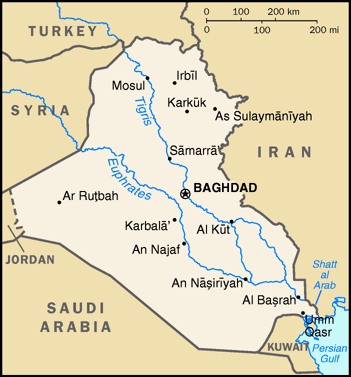 But it’s not so much the Iraqi military leadership commanding their own counteroffensive, nor really doing the heavy lifting in the fighting, as Shi’ite allies from overseas are increasingly involved.
Rather, calling the shots in the war is Iranian General Qasem Soleimani, the leader of the powerful Quds Force of the Iranian military. He’s been on the ground at most major battles, and is said to have drawn up most of the plans behind not only counteroffensives, but the defenses of both Iraqi and Kurdish cities against ISIS.
Lebanese militia Hezbollah, with its existing animosity toward ISIS and deep ties to Gen. Soleimani, is also said to be increasingly involved in the counteroffensives, joining the local Shi’ite militias in what is increasingly a sectarian holy war in the guise of a civil war.
Iraq’s military clearly hasn’t been able to accomplish much on their own, and they need all the allies they can get. Still, with the US painting Hezbollah and Iran as long-time enemies, it puts them in a difficult position to be working together in propping up the Iraqi government.
Exclusive Interview with Khaled Meshaal, the Head of the Hamas Political Bureau

'It is the occupation, not Hamas recognition of Israel, which is the core problem'
It is rather unnerving to come face to face with a man regarded by many people in the West as the leader of a terrorist organisation, and by possibly more people elsewhere in the world as the head of a legitimate resistance movement. It might, I suppose, have been the same for journalists meeting the late Nelson Mandela when politicians in Britain and America, for example, called him a terrorist who "should be shot" (according to Teddy Taylor, a British MP, in the mid-80s) while to most others he was a freedom fighter to be admired and supported.
Is the switch from sinner to saint going to be the same for the head of the Hamas political bureau, Khaled Meshaal? Time will tell, but seeing that the Islamic Resistance Movement was described just last week in Britain's unelected second chamber by hereditary peer Viscount Slim as "one of the nastiest and most vicious terrorist organisations in the world", it seems that there is a lot of ground to make up. Convincing people like John Slim that resistance against Israel's occupation of Palestinian "by any means available" is not only a legal right for the people under occupation but also, according to Meshaal, a "duty", is likely to be an uphill struggle. Struggle, though, is what Palestinians have been born into for almost 100 years.
I met with the Hamas leader in his office in Doha on, coincidentally, the 97th anniversary of the infamous and much misinterpreted Balfour Declaration. It was with this letter, which has no legal status, that the British government effectively signalled its intent to give Palestinian land to the Zionist movement for a "national home for the Jewish people". Meshaal is both modest and charming, and although he will no doubt be surprised to be compared with Mandela, he shares such characteristics with the great African freedom fighter. As with Mandela, Meshaal's charm masks a steely determination to achieve freedom for his people from an unjust oppressor. Criticism like that of Viscount Slim is par for the course and he shrugs it off. Nevertheless, he admitted in his book "The political thought of the Islamic Resistance Movement HAMAS" (MEMO Publishers, 2013) that there is a need to present the movement's case "properly".
Born in Silwad, Jerusalem, in May 1956, Khaled Meshaal has lived in exile since the 1967 war launched pre-emptively by the Israelis against Egypt. His homes have included Kuwait, Jordan, Syria and now Qatar. He joined the Muslim Brotherhood in 1971, leaving to join its newly-formed offshoot Hamas in 1987, and was listed as the 18th "most influential" figure in the world by the New Statesman in 2010. He has more right than most not to trust the current Israeli Prime Minister Benjamin Netanyahu as a serious "partner for peace". In September 1997, during Netanyahu's first term in office, he ordered Israel's Mossad security agency to assassinate Meshaal in the Jordanian capital Amman. The personal intervention of the late King Hussain forced the Israelis to supply the antidote for the poison with which Meshaal had been injected by Mossad agents.
Politics, it seems, has been his life, so why did he choose to go down that route when, clearly, as a physics graduate there were other options available to him? "I didn't choose this because of politics per se but simply because politics is very much a part of the struggle for liberation and self-determination. The political struggle is an integral part of the whole struggle against the Israeli occupation; armed, political and diplomatic efforts are summed up by the legitimate framework of struggle 'by all means available' in order to end the occupation."
The struggle against Israel's occupation of Palestine since 1948, not just 1967, is central to Meshaal's reason for being involved at such a senior level in the resistance movement. Indeed, it is, he says, "the core issue". Although the international community in the guise of the Middle East Quartet of the UN, US, EU and Russia, has said that Hamas recognition of Israel is a pre-condition for any degree of normalisation with the movement, Meshaal believes that the group is looking in the wrong place for the starting point to move towards peace. "The problem arises not from Hamas refusing to recognise the usurper of Palestinian rights which occupies Palestinian land; it is the occupation itself."
He believes that it is "unjust and unrealistic" to impose such a pre-condition. "This is the wrong way to solve the conflict," insists Meshaal. "We are victims of the Israeli occupation and have the legitimate right to be free of that occupation. Is it fair, or even legal, to require the victims of the crime of ethnic cleansing, displacement and the occupation itself to recognise the rights of the occupier to carry out such crimes? That is the logical result of recognition of the state of Israel; it gives legitimacy to the crimes that it has carried out ever since it was founded."
Formal recognition is normally made between states and Hamas is a popular movement, not a state. Moreover, does Israel recognise the right of Hamas to lead the Palestinian resistance to its military occupation? It most certainly does not, and neither does Israel's main supporter, the United States and the other members of the Quartet. "The US and other main powers of the world have not helped the Palestinians to end the occupation at the core of the problem," Meshaal points out. He has no doubt that this makes the US an unsuitable interlocutor for the now discredited peace process. He is not alone in thinking that way; Washington's status as an "honest broker" is tarnished beyond repair due to its unswerving support for Israel, right or wrong.
Wasn't, though, the offer of a long-term truce, a hudna, made by Hamas to the state of Israel de facto recognition of the existence of such a state? He is quick to tell me that the offer was not recognition of the right of that state to exist on someone else's — the Palestinians' — land. Meshaal told former US President Jimmy Carter in 2008 that the offer of a 10-year hudna was on the table as long as Israel withdrew to the 1967 borders, and that this was "proof of recognition".
He has said previously that Hamas favours a "gradual approach" to resolving the conflict that blights the region. So a long-term truce would be part of a series of moves? "The hudna was offered as a first step in the process but was rejected by Israel. This is a clear indication that the problem lies with Israel, not Hamas or the Palestinians."
The reasoning behind the hudna, proposed also by the founder of Hamas, Shaikh Ahmed Yassin, who suggested a 50-year truce, is that it will provide an opportunity for people on both sides to live and work together before reaching "final status" decisions. It has been said that the hudna period would also allow for those with "serious baggage" to be less involved at the crucial stages. When Israel killed Shaikh Yassin as he left a mosque after morning prayers in March 2004, Britain's then Foreign Secretary Jack Straw said that although Israel is entitled to defend itself against terrorism, "it is not entitled to go in for this kind of unlawful killing and we condemn it. It is unacceptable, it is unjustified and it is very unlikely to achieve its objectives." The UN Secretary General of the time, Kofi Annan, also condemned the assassination, as did a number of UN member states.
"Nevertheless," continues Meshaal, "as a Palestinian faction, Hamas has a common agreement with the others that the initial aim is a sovereign, independent state within the 1967 borders, with Jerusalem as its capital and the right of return for the refugees." That is what the movement is working towards and there is nothing in these objectives that contradicts international laws and conventions; indeed, their achievement would fulfil the terms of numerous UN resolutions.
Israel is adamant, however, that if Palestinian refugees and their descendants were allowed to go back to historic Palestine it would signal the end of the self-declared "Jewish state". This is no surprise to the Hamas leader, who is convinced that as a "civilisational spearhead in the region", a colonial project no less, Israel has, in any case, a limited life-expectancy. Is this, I wonder, what is meant when critics of Hamas claim that the movement wants to "wipe Israel off the map"?
"We offered a truce which was rejected by Israel," he responds defiantly. "All of the [Palestinian] factions agreed to establish a state on the 1967 borders with Jerusalem as its capital and the return of the refugees. It was rejected by Israel, and the world didn't take this seriously, but we work with all factions. The fact that Israel has no future has been suggested by think-tanks, other countries (including, for example, Russia) and even Israeli thinkers. Why? Because it is a state built on the theft of someone else's land, aggression, bloodshed, terrorism and violence." Citing a poll which revealed that 59 per cent of British citizens think that Israel is the biggest threat to world peace, he adds that this is reflected around the world.
"Looking at the issue from the perspective of the global powers," he continues, "it is clear that they use Israel as a colonial tool to impose their hegemony on the Middle East, but things are changing. They can see now that this colonial tool is losing its value to them. They are more aware that the entity is a moral and political liability, especially after its wars against Gaza.
At this point Meshaal uses the term "Holocaust". Did he really say that? He did, and means it. The Hamas leader sees a great irony in the fact that the West was keen to help the Jews of Europe to escape from Hitler and the Nazis during and after World War Two, "but is now supplying the means for Israel to commit its own Holocaust against the Palestinians."
That is a serious charge which he makes with absolute conviction that what his people are facing is another genocide of massive proportions. Not, it must be said, through a direct replication of the industrialised murder of European Jews and others by the Germans and their allies, but in the way that the tools of the modern military-industrial complex across the West are used on Palestinian civilians and then sold at arms fairs on the basis that the weapons and ammunition have been "field tested" on human beings and their homes. The fact that Palestinians appear to be entirely dispensable as part of this obscene process is evidence, it is believed, of the genocidal intent of the Israelis and their supporters.
For Meshaal, the "Israel-Palestine" issue is definitely much broader, not least because of the direct and indirect involvement of other countries behind Israel. I wonder if this include Arab states as he has said before that the threats from "Israel's colonial expansionism... go way beyond the borders of historic Palestine" and that the conflict involves "the entire Arab and Islamic world". Although there has been an "Arab betrayal of the Palestinians", and "weak Arab diplomacy" certainly hasn't helped, Meshaal is clear that Israel needs to be "challenged by an Arab, Islamic and humanitarian response". Some Arab governments may be in the same camp as Israel, but the people have different ideas.
Is there, I ask, still an "Arab nation" which can respond? Given that the Arab states have had decades to do something about the state of Israel but have generally shied away from it, preferring good relations with the US over putting pressure on Israel, will they ever do anything positive for the Palestinians?
"The Arab nation ("Ummah") is a historical reality but it is weak and fragmented, Meshaal replies without hesitation. "The Western powers are aware of the geo-political importance and potential of the Arab nation and so are keen to keep it weak and preoccupied with domestic problems, denying the people democracy and freedom. The Arab nation is suffering, so the Palestinians are suffering even more because the Arabs form the Palestinians' strategic back. It is a fact, though, that the Ummah will rise again, insha'Allah [God-willing], including the Palestinians." He bases this belief on the experience of independence struggles in other countries.
"Look around the world, all of the people who fought for freedom from occupation succeeded in their struggle. All forms of colonialism are doomed to fail and all of the nations who work hard for self-development have achieved their goal. This is a difficult process of change and it takes time and sacrifice no matter where it takes place."
He is talking primarily about the Arab Ummah. Does this include the Muslim Ummah, the worldwide community of believers? "They overlap and interact."
Turning back to the political struggle for freedom, I ask if Hamas was surprised to win the 2006 Palestinian elections. "The movement's participation in the elections [which surprised many people] was part of its vision to have a role in the democratic system. Hamas was aware of its support amongst the masses when the decision to participate was taken, so it was no great surprise to win, although we thought that we would be sharing government with other factions."
The election was described by observers, including some British parliamentarians, as free and fair but the result was still rejected by Israel and its Western backers, including the US and UK. The subsequent political split caused in no small part by Western political and financial pressure on the President of the Palestinian Authority, Mahmoud Abbas, has seen the PA operating under PLO/Fatah control in the occupied West Bank and the, more legitimate it must be said, Hamas government in the Gaza Strip. This is despite the fact that the Oslo Accords which founded the authority insist that the two occupied territories must be dealt with as one. Are fresh elections to try to overcome this damaging division likely in the near future as part of the much-vaunted reconciliation between Hamas and Fatah?
"There are many aspects to the reconciliation process, of which just one is the planning for elections," says Meshaal. "The others include reform of the PLO, social reconciliation between families and partnership in decision-making." If an election is held tomorrow, will Hamas win again? "Hamas can say that its popularity is at a high level after the latest Israeli war against Gaza and the movement is ready to take part in free and fair elections. It will accept the results as long as the process is free, fair and transparent." Doubts have been cast on this likelihood given that the Abbas-led PA has been active in clamping-down on Hamas as a political force in the West Bank and the Israelis continue to detain elected members of the Palestinian Legislative Council, the nearest the Palestinians have to Members of Parliament. A source within the Hamas leadership said recently that it is "difficult" to work in partnership "when your partners are plotting against you."
Doesn't this indicate, I ask, that there are too many Palestinian groups in the "leadership" which merely serve to complicate matters? Wouldn't it be better to achieve an independent state under one umbrella, after which differences could either be reconciled or expressed through civil society and political activism? The Palestine Liberation Organisation, once despised by Israel and the West as a terrorist group but now recognised as the "sole legitimate representative" of the Palestinian people, is said to be ripe for reform. A major political and social player in Palestinian society like Hamas is not, for example, a member of the PLO. The movement wants to see the organisation reformed.
"Hamas wants to see all of the Palestinian institutions — the PLO, PA and PLC, and the government — established on a democratic basis," explains Meshaal. "The reconciliation agreement included the formation of a National Unity Government to begin the preparations for the elections for president, the legislative council and the PLO, including its legislative body, the Palestine National Council (PNC). All of our institutions are important." He points out that the PA represents the system for governing issues in the West Bank and Gaza Strip whereas the PLO covers all Palestinians inside historic Palestine as well as those in the diaspora. "Some obstacles have been placed in the way of holding the elections by internal Palestinian sources; other obstacles have been placed in the way, especially for the reform of the PLO, from international sources, with negative foreign intervention blocking reconciliation and reform of the organisation. However, it is the right of the Palestinian people to reform the PLO and nobody can stop us."
In his 2013 publication, Meshaal referred to the "insular priorities" of the nation state, and said that the world appears to be moving to a preference for "quasi-federal blocs". Will the establishment of an independent state of Palestine be a prelude to the creation of a federal set-up with other nation states in the Middle East and beyond? Given that pro-Israel Lobby claims that Jordan "is the Palestinian state", this could be an interesting and potentially damaging scenario.
"We are one nation in this region; the colonial powers divided us. The nation states we have today were created by the colonial powers and we see no problem for them to have their own national priorities for the benefit of their own people, to have security and stability for their countries," says Meshaal. I can sense a "but..." coming. "However, they should act as part of an Ummah, as one hand, for example, when one is attacked. The concept of the Ummah should be in their minds for working together on economic and security issues." The USA is a federal state but one nation, he notes; in Europe, with the EU, nation states work together for the common good. "This is the strategy that the Arab and Islamic nation/Ummah should commit to. At the same time, we must be open to other nations for the sake of our common humanity. As such, when, not if, the occupation is ended and a sovereign Palestinian state is established it will be a nation state which will work for the good of its people but with the requirements of the wider Ummah in mind."
Is the Palestinian state going to be established despite all of the obstacles; will it be free and independent? The head of the Hamas political bureau has no doubt: "Of course, insha'Allah!" He means it.
Back in 2008, Jimmy Carter said that it was ridiculous for Hamas to be excluded from the peace talks. Similar sentiments were expressed by veteran British MP Sir Gerald Kaufman in parliament in January 2009; Kaufman's speech made it clear that he is no fan of the movement, "but it was democratically elected and it is the only game in town". To this day, though, neither Israel nor its supporters will entertain the idea of even speaking to the Islamist group. According to Kaufman, "The boycotting of Hamas, including by our Government, has been a culpable error, from which dreadful consequences have followed."
Claims that Israel and the West have "shared values" which include "respect for law and order" have been shown to be false, leading to increasing pressure from civil society and public opinion to change government policies. The Palestinians have waited for decades and have patience in abundance, so until and unless such changes take place, the struggle for Palestinian freedom will continue. Hamas and its leader Khaled Meshaal believe that victory will come because "colonialism remains an unacceptable anachronism in the 21st century." Can anyone really disagree with that?
Who are the New Arabs? You. And us.
FROM THE NEW Al-ARABY AL-JADEED ENGLISH
During 2011 and 2012, there appeared the features of an Arab who refuses to be subjugated in the face of physical violence, who longs to enjoy the rights of citizenship and who calls for values such as dignity and freedom - the basic condition of which being that one's life should not be preoccupied with struggling to meet one's basic needs.
Hence, the demands that arose were for bread, freedom and dignity. These are the features, not only of a new Arab era, but of a modern Arab era.
Before the moral and material forces of the past closed ranks, we heard the new Arab era satirising the hyperbolic rhetoric and grand ideologies behind which petty rulers and their relatives hid. We noted in amazement that this new Arab era stuck to its Arab identity in the face of sectarianism, while eschewing nationalist identities and publicly supporting both democracy and Palestine.
It craved modern developed countries without neoliberal economic theory, social justice without communist ideology, democracy without the abandonment of cultural Arabism - and a policy which recognises the centrality of Palestine, which symbolises adherence to justice and a rejection of colonialism.
We saw young people calling for civil rights without being bewitched by Israel's perversion of democracy, and adhering to their Arab identities without a pan-Arab fanaticism directed against other cultures or ethnicities. We saw New Arabs coming together - both men and women - in public squares without violence or sexual harassment, favouring diversity and shunning intolerance of other identities.
Virtue exploited
However, the innocence of the New Arab Era deprived those who fought for it of the acumen necessary for identifying the tricks of the old political order with its parties and its media. The spontaneity of the New Arab Era caused its adherents to sidestep political organisation.
They had not experienced the difference between political protest and the political action necessary to build democracy - so all those against whom they had rebelled, those who stood for violence, ignorance, sectarian intolerance, militarism and the old parties and their interests - ganged up against them.
Moreover, the adherents of the New Arab Era were betrayed by those who gave them the false impression that they had abandoned their military or intolerant pasts in favour of democracy.
This unholy alliance turned the dream into a nightmare. In politics, dreams often tend to morph into nightmares. This nightmare drenched countries in blood.
It obscured the boundaries between despotism and democracy through fragmenting identities and through spawning the intolerances of "us" and "them" between majorities and minorities, and between Islamists and secularists.
These polarisations have replaced the struggle between democrats and non-democrats. The perpetrators of the nightmare have replaced morality with conflicts over identity, while murder and other atrocities have become acceptable as long as they are committed against "them".
The struggle continues
Democrats face a massive challenge: the struggle against despotism has turned into a struggle against the social and cultural backwardness upon which the entire structure of despotism is based.
However, democracy's greatest strength in this fight is that the New Arab Era was not a mirage that disappears whenever approached. It remains an entire generation of young people that cried out and showed solidarity, that produced its martyrs and its wounded, that discovered its own voice and blood and was amazed and overwhelmed by unfolding events.
It is a generation that awakened the forgotten dreams of the previous generation, inspired the imaginations of its societies and captivated the entire world. It shocked the opportunists and terrified the reactionary forces - states and regimes, those on the right and those whose only leftist attributes are their names and their chauvinism.
They all closed ranks against the New Arab Era, but not one member of the old establishment dares to ridicule it - except for fools. Its ghost traverses the entire Arab nation, and it is still implicit in language, glances and tones.
It is here and there, and finds sympathisers throughout the world. It is regrouping its forces, regretting its mistakes, laughing at its own innocence and searching for practical political programmes, organisational formats and answers to questions as it continues its arduous, but ultimately victorious journey.
It is preparing a fateful return. The seed of aspiration - for freedom, equality and a dignified life - has been planted in the hearts of an entire generation. The contemporary soil is fertile, and this generation will turn into a generation of citizens who will compete on the basis of political and cultural platforms to one day rule every Arab country.
Dr Azmi Bishara is a former member of the Israeli parliament and a Palestinian intellectual and writer. He is the head of the Arab Center for Research and Policy Studies in Qatar, and is the publisher of al-Araby al-Jadeed.
This is an edited translation from our Arabic edition.
Who are the New Arabs? You. And us.
By: Azmi BisharaDate of publication 5 November, 2014
A human being cannot be shaped or reshaped according to some physical or philosophical blueprint. All well-known historical efforts to "build the new human" have ended in disaster.
As for us, we have not, thank God, yet been afflicted with totalitarian regimes capable of shaping a new Arab individual.
Rather, we are merely beset with worn-out authoritarian regimes capable only of deforming what came before - corrupting their legacies, repressing dignity and personality in order to subjugate. When repression occurs in the context of backwardness, it is usually expressed as physical and verbal violence.
Since no political administration has emerged that is capable of forming al-Araby al-Jadeed - "the New Arab" - through any form of inevitably disastrous social engineering; and since an entire generation has been consumed by long-held dreams of revolution and subsequent disappointment, the principle features of such a new Arab individual have grown up outside the context of manifestos or programmes, and are being shaped by practical action by means of a struggle that rejects the situation Arabs find themselves in and challenges the intellectual discourse of our times.
A New Arab Era
At last, we catch a glimpse of a new era in the shape of the individual who has had enough of subjugation by a tired, corrupt authoritarianism, and has rebelled against the forces of repression, rejecting backwards bureaucracy and the system of theft known as clientelism.
As for us, we have not, thank God, yet been afflicted with totalitarian regimes capable of shaping a new Arab individual.
Rather, we are merely beset with worn-out authoritarian regimes capable only of deforming what came before - corrupting their legacies, repressing dignity and personality in order to subjugate. When repression occurs in the context of backwardness, it is usually expressed as physical and verbal violence.
Since no political administration has emerged that is capable of forming al-Araby al-Jadeed - "the New Arab" - through any form of inevitably disastrous social engineering; and since an entire generation has been consumed by long-held dreams of revolution and subsequent disappointment, the principle features of such a new Arab individual have grown up outside the context of manifestos or programmes, and are being shaped by practical action by means of a struggle that rejects the situation Arabs find themselves in and challenges the intellectual discourse of our times.
A New Arab Era
At last, we catch a glimpse of a new era in the shape of the individual who has had enough of subjugation by a tired, corrupt authoritarianism, and has rebelled against the forces of repression, rejecting backwards bureaucracy and the system of theft known as clientelism.
| We catch a glimpse of a new era in the shape of the individual who has had enough. |
During 2011 and 2012, there appeared the features of an Arab who refuses to be subjugated in the face of physical violence, who longs to enjoy the rights of citizenship and who calls for values such as dignity and freedom - the basic condition of which being that one's life should not be preoccupied with struggling to meet one's basic needs.
Hence, the demands that arose were for bread, freedom and dignity. These are the features, not only of a new Arab era, but of a modern Arab era.
Before the moral and material forces of the past closed ranks, we heard the new Arab era satirising the hyperbolic rhetoric and grand ideologies behind which petty rulers and their relatives hid. We noted in amazement that this new Arab era stuck to its Arab identity in the face of sectarianism, while eschewing nationalist identities and publicly supporting both democracy and Palestine.
It craved modern developed countries without neoliberal economic theory, social justice without communist ideology, democracy without the abandonment of cultural Arabism - and a policy which recognises the centrality of Palestine, which symbolises adherence to justice and a rejection of colonialism.
We saw young people calling for civil rights without being bewitched by Israel's perversion of democracy, and adhering to their Arab identities without a pan-Arab fanaticism directed against other cultures or ethnicities. We saw New Arabs coming together - both men and women - in public squares without violence or sexual harassment, favouring diversity and shunning intolerance of other identities.
Virtue exploited
However, the innocence of the New Arab Era deprived those who fought for it of the acumen necessary for identifying the tricks of the old political order with its parties and its media. The spontaneity of the New Arab Era caused its adherents to sidestep political organisation.
They had not experienced the difference between political protest and the political action necessary to build democracy - so all those against whom they had rebelled, those who stood for violence, ignorance, sectarian intolerance, militarism and the old parties and their interests - ganged up against them.
Moreover, the adherents of the New Arab Era were betrayed by those who gave them the false impression that they had abandoned their military or intolerant pasts in favour of democracy.
This unholy alliance turned the dream into a nightmare. In politics, dreams often tend to morph into nightmares. This nightmare drenched countries in blood.
It obscured the boundaries between despotism and democracy through fragmenting identities and through spawning the intolerances of "us" and "them" between majorities and minorities, and between Islamists and secularists.
| In politics, dreams often tend to morph into nightmares. |
These polarisations have replaced the struggle between democrats and non-democrats. The perpetrators of the nightmare have replaced morality with conflicts over identity, while murder and other atrocities have become acceptable as long as they are committed against "them".
The struggle continues
Democrats face a massive challenge: the struggle against despotism has turned into a struggle against the social and cultural backwardness upon which the entire structure of despotism is based.
However, democracy's greatest strength in this fight is that the New Arab Era was not a mirage that disappears whenever approached. It remains an entire generation of young people that cried out and showed solidarity, that produced its martyrs and its wounded, that discovered its own voice and blood and was amazed and overwhelmed by unfolding events.
It is a generation that awakened the forgotten dreams of the previous generation, inspired the imaginations of its societies and captivated the entire world. It shocked the opportunists and terrified the reactionary forces - states and regimes, those on the right and those whose only leftist attributes are their names and their chauvinism.
They all closed ranks against the New Arab Era, but not one member of the old establishment dares to ridicule it - except for fools. Its ghost traverses the entire Arab nation, and it is still implicit in language, glances and tones.
It is here and there, and finds sympathisers throughout the world. It is regrouping its forces, regretting its mistakes, laughing at its own innocence and searching for practical political programmes, organisational formats and answers to questions as it continues its arduous, but ultimately victorious journey.
It is preparing a fateful return. The seed of aspiration - for freedom, equality and a dignified life - has been planted in the hearts of an entire generation. The contemporary soil is fertile, and this generation will turn into a generation of citizens who will compete on the basis of political and cultural platforms to one day rule every Arab country.
Dr Azmi Bishara is a former member of the Israeli parliament and a Palestinian intellectual and writer. He is the head of the Arab Center for Research and Policy Studies in Qatar, and is the publisher of al-Araby al-Jadeed.
This is an edited translation from our Arabic edition.
Wednesday, November 5, 2014
تدمير "الأقصى" بدعم عربي
صالح النعامي
5 نوفمبر 2014

لم تكد تمضي ساعات على رسائل الطمأنة التي بعث بها رئيس الوزراء الصهيوني، بنيامين نتنياهو، للولايات المتحدة والأردن والسلطة الفلسطينية، وتعهده بعدم تغيير الوضع القائم في الحرم القدسي الشريف، حتى خرج وزير إسكانه، أوري أرئيل، متعهداً للجمهور الصهيوني بـ "إعادة بناء الهيكل في أقرب وقت". لم يكتف أرئيل، والذي يعتبر الرجل الثاني في حزب البيت اليهودي بذلك، بل إنه اعتبر أن نتائج الانتخابات التشريعية المقبلة ستمثل تفويضاً شعبياً للحكومة التي ستشكل بعدها للانطلاق في مشروع تدشين الهيكل الثالث. ومن نافل القول إن تدشين الهيكل يعني، بالضرورة، تدمير المسجد الأقصى، حيث تزعم المراجع الدينية اليهودية أن الحرم مقام على أنقاضه. لا تكمن خطورة الأمر فقط في أن هذا التصريح صدر على لسان وزير بارز، بل أيضاً، لأن أرئيل يمثل حزب البيت اليهودي، الديني الذي تتوقع استطلاعات الرأي العام أن يصبح ثاني أكبر حزب في البرلمان المقبل، ويجاهر رئيسه وزير الاقتصاد، نفتالي بنات، بأن "تغيير الوضع القائم" في المسجد الأقصى سيكون من أولويات أي حكومة سيشارك فيها. ويعني مصطلح "تغيير الوضع القائم" في "الأقصى" البدء بخطوات لتهويد الحرم، بنقل مسؤولية الإشراف عليه من الأوقاف الإسلامية إلى وزارة الأديان الإسرائيلية، وتقاسم مواعيد الصلاة فيه بين اليهود والمسلمين، انتهاءً بتدشين "الهيكل". وقد أضحى السعي إلى تغيير الوضع القائم في "الأقصى" محور إجماع داخل الحلبة السياسية الصهيونية. فمن أصل 21 نائباً يمثلون حزب الليكود الحاكم في البرلمان، فإن 17 يدعون إلى "تغيير الوضع القائم". ليس هذا فحسب، بل إن الهدف الرئيس المعلن لمعسكر "القيادة اليهودية" الذي يعتبر أهم المعسكرات الأيديولوجية وأكبرها داخل "الليكود"، والذي يقوده نائب رئيس الكنيست، موشيه فايغلين، هو إعادة تدشين الهيكل. وما ينطبق على "الليكود" و"البيت اليهودي" ينطبق على حزب "يسرائيل بيتنا" الذي يرأسه وزير الخارجية، أفيغدور ليبرمان، وممثلي جميع الأحزاب الدينية، وحتى بعض نواب حزب "ييش عتيد" الذي يمثل الوسط. من هنا، فإن كل المؤشرات تؤكد أن حسم مصير "الأقصى" سيكون على رأس القضايا التي على أساسها سيحدد الصهاينة هوية الحزب الذي سيصوتون له في الانتخابات المقبلة. لكن، مهمة الدفع نحو تدمير المسجد الأقصى، بغرض إقامة الهيكل، لا تقتصر على الأحزاب والحركات السياسية، بل هناك سبع مؤسسات وأطر غير حزبية تسهم علناً بخطوات عملية نحو تحقيق الهدف. وقد وصل الجنون بمؤسسةٍ، مثل معهد جبل الهيكل إلى حد أن توجهت بطلب للحكومة الإيطالية باستعادة بعض مقتنيات الهيكل الثاني التي "غنمها" القائد الروماني تيتوس، قبل أكثر من ألفي عام، عندما دمر سلطة الحكم الذاتي لليهود في فلسطين، من أجل استخدامها في تدشين الهيكل الثالث.
"كل المؤشرات تؤكد أن حسم مصير "الأقصى" سيكون على رأس القضايا التي على أساسها سيحدد الصهاينة هوية الحزب الذي سيصوتون له في الانتخابات المقبلة.
"
ونظراً لإدراك نخب الحكم في الكيان الصهيوني أن ردة الفعل الفلسطينية الجماهيرية على أي تغيير في الوضع القائم في "الأقصى" ستكون كبيرة ومكلفة، عمدت إلى التوسع في سياسات القمع التي وصلت إلى حد فرض عقوبة السجن مدة عشر سنوات على كل من يلقي حجراً في مظاهرة، علاوة على عدم التردد في اعتقال ذوي الأطفال والفتية المقدسيين الذين يشاركون في المظاهرات والفعاليات الاحتجاجية، لإجبارهم على منع أبنائهم من المشاركة في هذه الفعاليات. لكن، من الأهمية بمكان التأكيد، هنا، على أن كل ما يحاك للأقصى من مؤامرات يتم بدعم الأنظمة العربية التي تواصل التعاون، أمنياً واستخبارياً، مع إسرائيل، في أوج العدوان الصهيوني على المدينة المقدسة. فعلى سبيل المثال، تملأ القيادة الأردنية الدنيا ضجيجاً منتقدة السلوك الصهيوني في الأقصى، لكنها، في الوقت نفسه، لم تكذب ما ورد على لسان سفير إسرائيل في عمّان، دانيل بيف، الذي صرح لإذاعة الجيش الصهيوني، في 23 أكتوبر/تشرين الأول الماضي، أن الخلاف بين الجانبين بشأن "الأقصى" لم يحل دون تعاظم مظاهر التعاون الأمني وتبادل المعلومات الاستخبارية، والتنسيق ذي الطابع الاستراتيجي. ليس هذا فحسب، بل إن بيفو طمأن مستمعيه قائلاً: "إسرائيل لا يمكنها أن تحلم بجار أفضل من الأردن".
ولا حاجة لأن يدبج المرء الكلمات في تصوير عمق ارتياح الصهاينة لحجم التعاون الذي يبديه نظام عبد الفتاح السيسي في محاصرة المقاومة في قطاع غزة، وحرصه على درء المخاطر التي يتعرض لها الأمن القومي الصهيوني. ويكفي أن نشير، هنا، إلى ما كشفه في هذا المجال موقع صحيفة يديعوت أحرنوت في 31-10. وما تقوم به إسرائيل من جرائم في القدس لم يحل دون تعاظم التنسيق الأمني والتعاون الاستراتيجي مع دول عربيةٍ، لا تقيم علاقات دبلوماسية مع إسرائيل. ففي مقابلة أجرتها معه محطة "سي.بي.إس" الأميركية قبل أسبوعين، توسع وزير الحرب الصهيوني في توصيف عمق التعاون مع هذه الدول، لا سيما المشاركة في التحالف ضد تنظيم "الدولة الإسلامية". المفارقة، أن دولاً عربية أخرى تخلت حتى عن إصدار بيانات الشجب والتنديد المعتادة، مع أنها لا تمثل أكثر من ضريبةٍ كلاميةٍ لا تجد تأثيرها على سياسات هذه الأنظمة. بالطبع، لا يمكن تجاهل حقيقة أن السلطة الفلسطينية التي يفترض أن تكون الطرف الذي يبدي أقصى درجات الحساسية تجاه ما تقوم به إسرائيل ضد الأقصى، تواصل التعاون الأمني مع إسرائيل، وكأن شيئاً لم يكن.
من الواضح أن سلوك الأنظمة العربية يشجع فقط الكيان الصهيوني، ونخبه السياسية، على المضي في المخططات الهادفة لتدمير المسجد الأقصى، ولولا أن القيادة السياسية في تل أبيب تتحسب لردة الفعل الجماهيرية الفلسطينية، لما توانت في الاستجابة لمطلب تغيير الوضع القائم في الأقصى لصالح اليهود. لكن، يخطئ الصهاينة في حال اعتقدوا أن السلوك الرسمي العربي يسمح لهم بالشروع في تنفيذ مخططاتهم ضد القدس، فالشعب الفلسطيني لن يسمح بذلك. وما أقدم عليه الشهيد البطل معتز حجازي الذي حاول اغتيال يهودا غليك، أحد المبادرين لتدنيس المسجد الأقصى، وأبرز المنادين بتدشين الهيكل، يمثل رسالة واضحة مفادها أنه ليس في وسع الكيان الصهيوني قلب قواعد المواجهة في القدس، من دون أن يفاجأ بردة فعل فلسطينية صادمة.
5 نوفمبر 2014
لم تكد تمضي ساعات على رسائل الطمأنة التي بعث بها رئيس الوزراء الصهيوني، بنيامين نتنياهو، للولايات المتحدة والأردن والسلطة الفلسطينية، وتعهده بعدم تغيير الوضع القائم في الحرم القدسي الشريف، حتى خرج وزير إسكانه، أوري أرئيل، متعهداً للجمهور الصهيوني بـ "إعادة بناء الهيكل في أقرب وقت". لم يكتف أرئيل، والذي يعتبر الرجل الثاني في حزب البيت اليهودي بذلك، بل إنه اعتبر أن نتائج الانتخابات التشريعية المقبلة ستمثل تفويضاً شعبياً للحكومة التي ستشكل بعدها للانطلاق في مشروع تدشين الهيكل الثالث. ومن نافل القول إن تدشين الهيكل يعني، بالضرورة، تدمير المسجد الأقصى، حيث تزعم المراجع الدينية اليهودية أن الحرم مقام على أنقاضه. لا تكمن خطورة الأمر فقط في أن هذا التصريح صدر على لسان وزير بارز، بل أيضاً، لأن أرئيل يمثل حزب البيت اليهودي، الديني الذي تتوقع استطلاعات الرأي العام أن يصبح ثاني أكبر حزب في البرلمان المقبل، ويجاهر رئيسه وزير الاقتصاد، نفتالي بنات، بأن "تغيير الوضع القائم" في المسجد الأقصى سيكون من أولويات أي حكومة سيشارك فيها. ويعني مصطلح "تغيير الوضع القائم" في "الأقصى" البدء بخطوات لتهويد الحرم، بنقل مسؤولية الإشراف عليه من الأوقاف الإسلامية إلى وزارة الأديان الإسرائيلية، وتقاسم مواعيد الصلاة فيه بين اليهود والمسلمين، انتهاءً بتدشين "الهيكل". وقد أضحى السعي إلى تغيير الوضع القائم في "الأقصى" محور إجماع داخل الحلبة السياسية الصهيونية. فمن أصل 21 نائباً يمثلون حزب الليكود الحاكم في البرلمان، فإن 17 يدعون إلى "تغيير الوضع القائم". ليس هذا فحسب، بل إن الهدف الرئيس المعلن لمعسكر "القيادة اليهودية" الذي يعتبر أهم المعسكرات الأيديولوجية وأكبرها داخل "الليكود"، والذي يقوده نائب رئيس الكنيست، موشيه فايغلين، هو إعادة تدشين الهيكل. وما ينطبق على "الليكود" و"البيت اليهودي" ينطبق على حزب "يسرائيل بيتنا" الذي يرأسه وزير الخارجية، أفيغدور ليبرمان، وممثلي جميع الأحزاب الدينية، وحتى بعض نواب حزب "ييش عتيد" الذي يمثل الوسط. من هنا، فإن كل المؤشرات تؤكد أن حسم مصير "الأقصى" سيكون على رأس القضايا التي على أساسها سيحدد الصهاينة هوية الحزب الذي سيصوتون له في الانتخابات المقبلة. لكن، مهمة الدفع نحو تدمير المسجد الأقصى، بغرض إقامة الهيكل، لا تقتصر على الأحزاب والحركات السياسية، بل هناك سبع مؤسسات وأطر غير حزبية تسهم علناً بخطوات عملية نحو تحقيق الهدف. وقد وصل الجنون بمؤسسةٍ، مثل معهد جبل الهيكل إلى حد أن توجهت بطلب للحكومة الإيطالية باستعادة بعض مقتنيات الهيكل الثاني التي "غنمها" القائد الروماني تيتوس، قبل أكثر من ألفي عام، عندما دمر سلطة الحكم الذاتي لليهود في فلسطين، من أجل استخدامها في تدشين الهيكل الثالث.
"كل المؤشرات تؤكد أن حسم مصير "الأقصى" سيكون على رأس القضايا التي على أساسها سيحدد الصهاينة هوية الحزب الذي سيصوتون له في الانتخابات المقبلة.
"
ونظراً لإدراك نخب الحكم في الكيان الصهيوني أن ردة الفعل الفلسطينية الجماهيرية على أي تغيير في الوضع القائم في "الأقصى" ستكون كبيرة ومكلفة، عمدت إلى التوسع في سياسات القمع التي وصلت إلى حد فرض عقوبة السجن مدة عشر سنوات على كل من يلقي حجراً في مظاهرة، علاوة على عدم التردد في اعتقال ذوي الأطفال والفتية المقدسيين الذين يشاركون في المظاهرات والفعاليات الاحتجاجية، لإجبارهم على منع أبنائهم من المشاركة في هذه الفعاليات. لكن، من الأهمية بمكان التأكيد، هنا، على أن كل ما يحاك للأقصى من مؤامرات يتم بدعم الأنظمة العربية التي تواصل التعاون، أمنياً واستخبارياً، مع إسرائيل، في أوج العدوان الصهيوني على المدينة المقدسة. فعلى سبيل المثال، تملأ القيادة الأردنية الدنيا ضجيجاً منتقدة السلوك الصهيوني في الأقصى، لكنها، في الوقت نفسه، لم تكذب ما ورد على لسان سفير إسرائيل في عمّان، دانيل بيف، الذي صرح لإذاعة الجيش الصهيوني، في 23 أكتوبر/تشرين الأول الماضي، أن الخلاف بين الجانبين بشأن "الأقصى" لم يحل دون تعاظم مظاهر التعاون الأمني وتبادل المعلومات الاستخبارية، والتنسيق ذي الطابع الاستراتيجي. ليس هذا فحسب، بل إن بيفو طمأن مستمعيه قائلاً: "إسرائيل لا يمكنها أن تحلم بجار أفضل من الأردن".
ولا حاجة لأن يدبج المرء الكلمات في تصوير عمق ارتياح الصهاينة لحجم التعاون الذي يبديه نظام عبد الفتاح السيسي في محاصرة المقاومة في قطاع غزة، وحرصه على درء المخاطر التي يتعرض لها الأمن القومي الصهيوني. ويكفي أن نشير، هنا، إلى ما كشفه في هذا المجال موقع صحيفة يديعوت أحرنوت في 31-10. وما تقوم به إسرائيل من جرائم في القدس لم يحل دون تعاظم التنسيق الأمني والتعاون الاستراتيجي مع دول عربيةٍ، لا تقيم علاقات دبلوماسية مع إسرائيل. ففي مقابلة أجرتها معه محطة "سي.بي.إس" الأميركية قبل أسبوعين، توسع وزير الحرب الصهيوني في توصيف عمق التعاون مع هذه الدول، لا سيما المشاركة في التحالف ضد تنظيم "الدولة الإسلامية". المفارقة، أن دولاً عربية أخرى تخلت حتى عن إصدار بيانات الشجب والتنديد المعتادة، مع أنها لا تمثل أكثر من ضريبةٍ كلاميةٍ لا تجد تأثيرها على سياسات هذه الأنظمة. بالطبع، لا يمكن تجاهل حقيقة أن السلطة الفلسطينية التي يفترض أن تكون الطرف الذي يبدي أقصى درجات الحساسية تجاه ما تقوم به إسرائيل ضد الأقصى، تواصل التعاون الأمني مع إسرائيل، وكأن شيئاً لم يكن.
من الواضح أن سلوك الأنظمة العربية يشجع فقط الكيان الصهيوني، ونخبه السياسية، على المضي في المخططات الهادفة لتدمير المسجد الأقصى، ولولا أن القيادة السياسية في تل أبيب تتحسب لردة الفعل الجماهيرية الفلسطينية، لما توانت في الاستجابة لمطلب تغيير الوضع القائم في الأقصى لصالح اليهود. لكن، يخطئ الصهاينة في حال اعتقدوا أن السلوك الرسمي العربي يسمح لهم بالشروع في تنفيذ مخططاتهم ضد القدس، فالشعب الفلسطيني لن يسمح بذلك. وما أقدم عليه الشهيد البطل معتز حجازي الذي حاول اغتيال يهودا غليك، أحد المبادرين لتدنيس المسجد الأقصى، وأبرز المنادين بتدشين الهيكل، يمثل رسالة واضحة مفادها أنه ليس في وسع الكيان الصهيوني قلب قواعد المواجهة في القدس، من دون أن يفاجأ بردة فعل فلسطينية صادمة.
Subscribe to:
Posts (Atom)